Best Maldivian Islands to Visit
In the middle of the Indian Ocean lies a large archipelago spanning over 870 km, comprised of 26 atolls and approximately 1,200 islands. This country has been a bucket list travel destination due to its luxury resorts, stunning beaches, and breathtaking reefs. This is the Maldives. In June of 2022, I was hired to work for The Ritz-Carlton Fari Islands in North Male Atoll. My job title was naturalist for the resort, and I was responsible for leading conservation projects, communicating scientific information, engaging with guests, and guiding snorkel and dive excursions. I was incredibly fortunate to work at a Forbes 5-star resort for two years and encountered an incredible array of wild marine life while performing my duties. The Maldives are not just resorts; there are many local islands around the country, and I used my off time to explore as many as possible. Here is a list of my favorite islands that I visited during my time in the country.
1. Fuvamulah
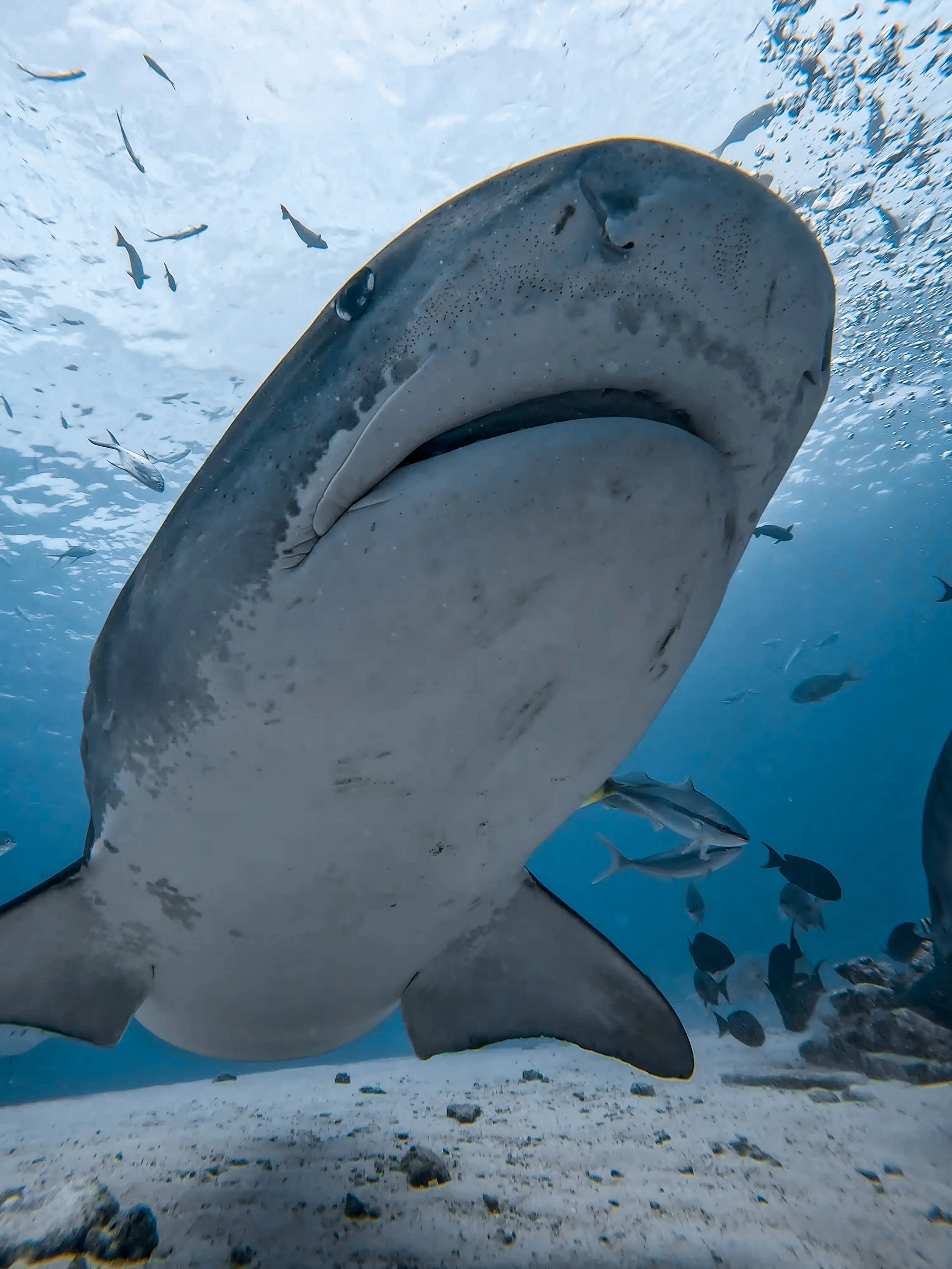
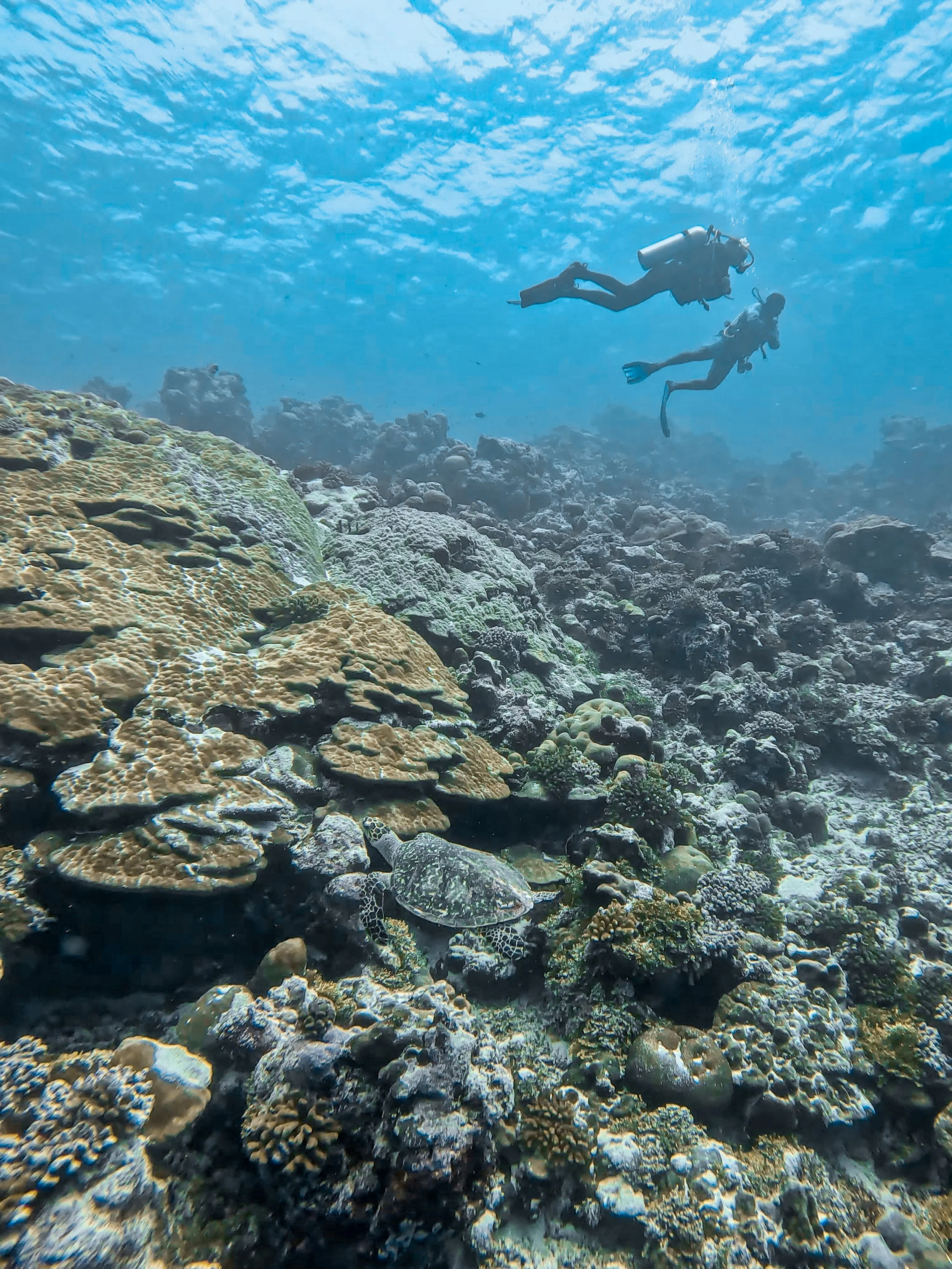
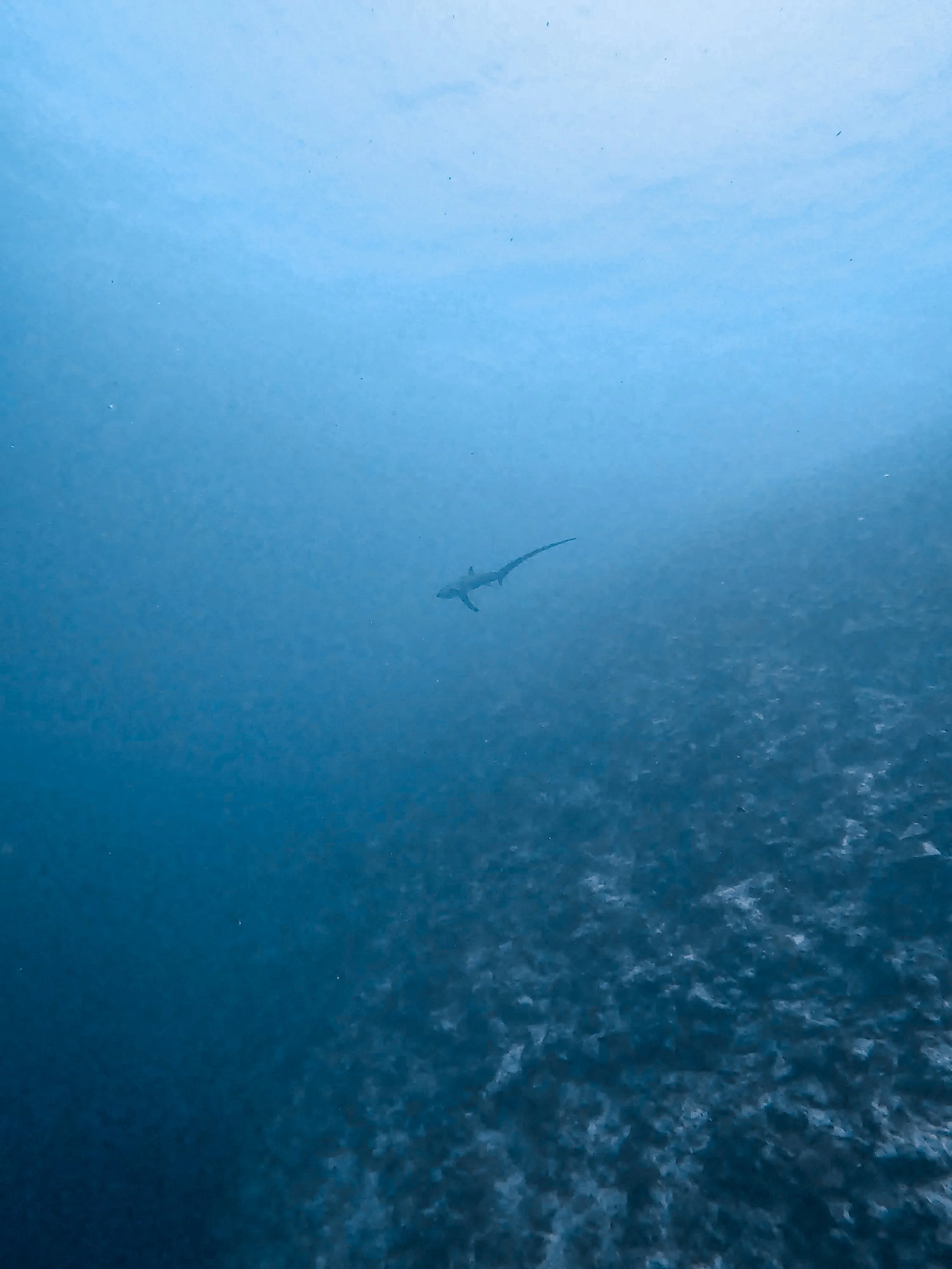
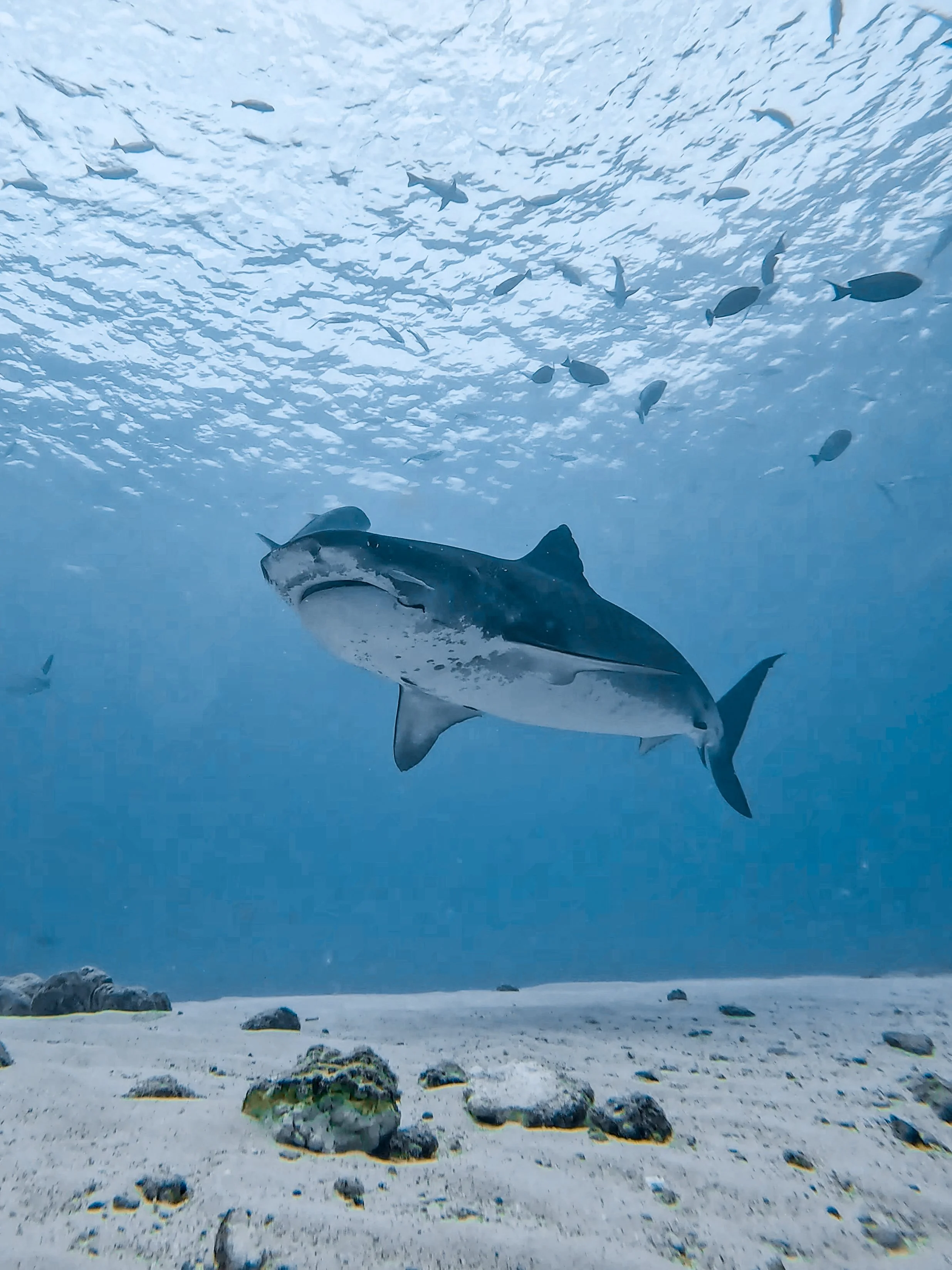
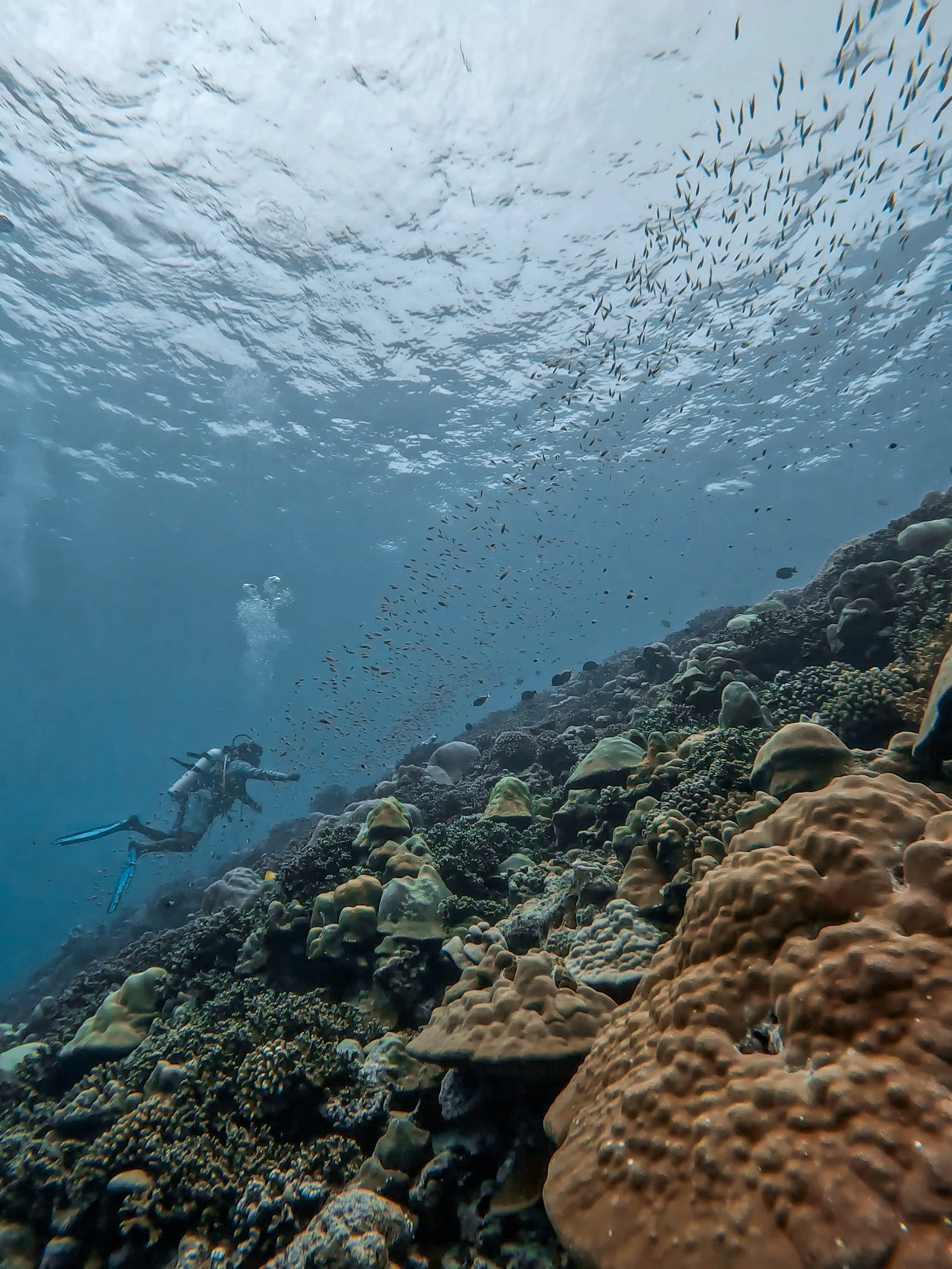
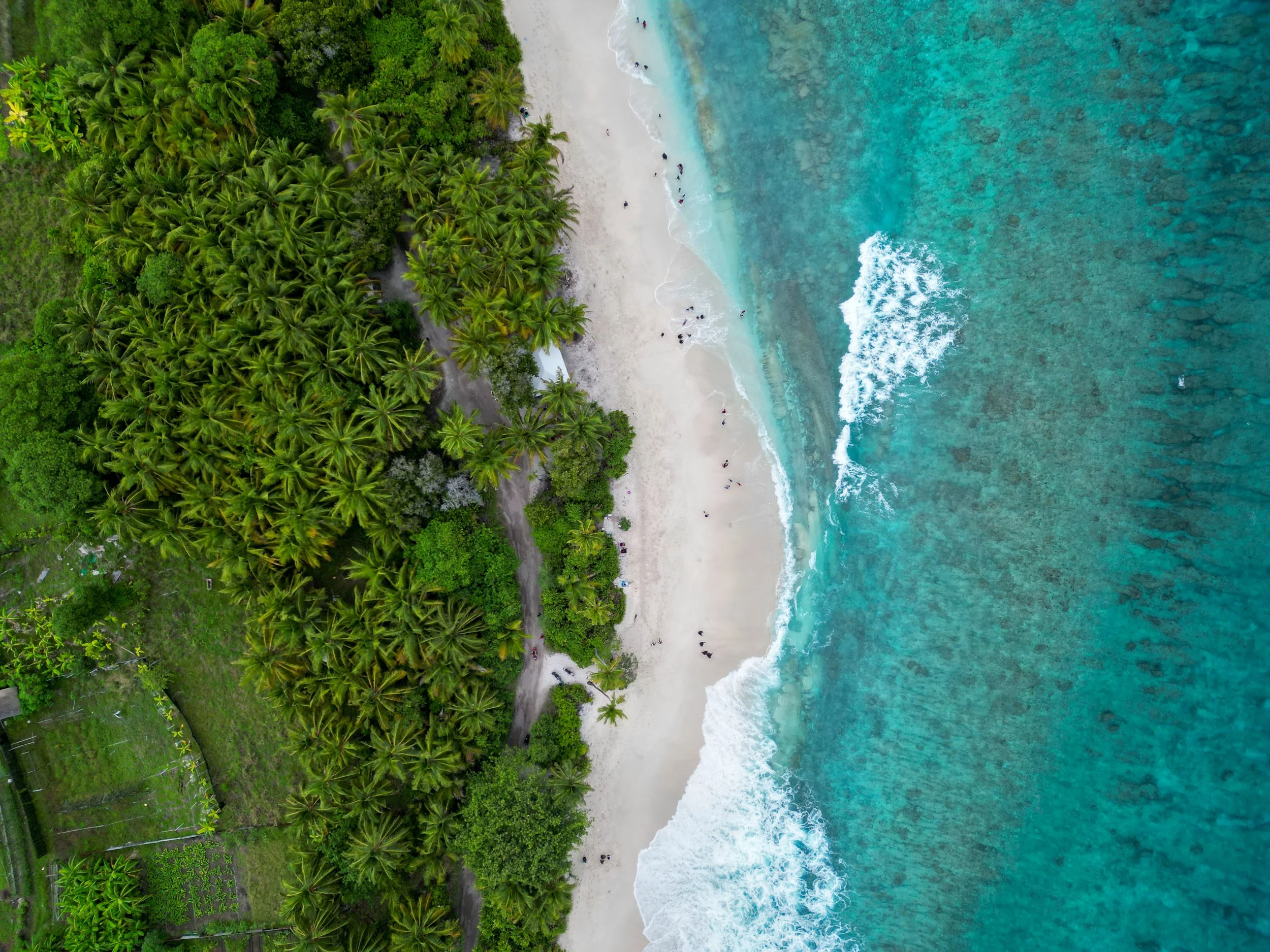
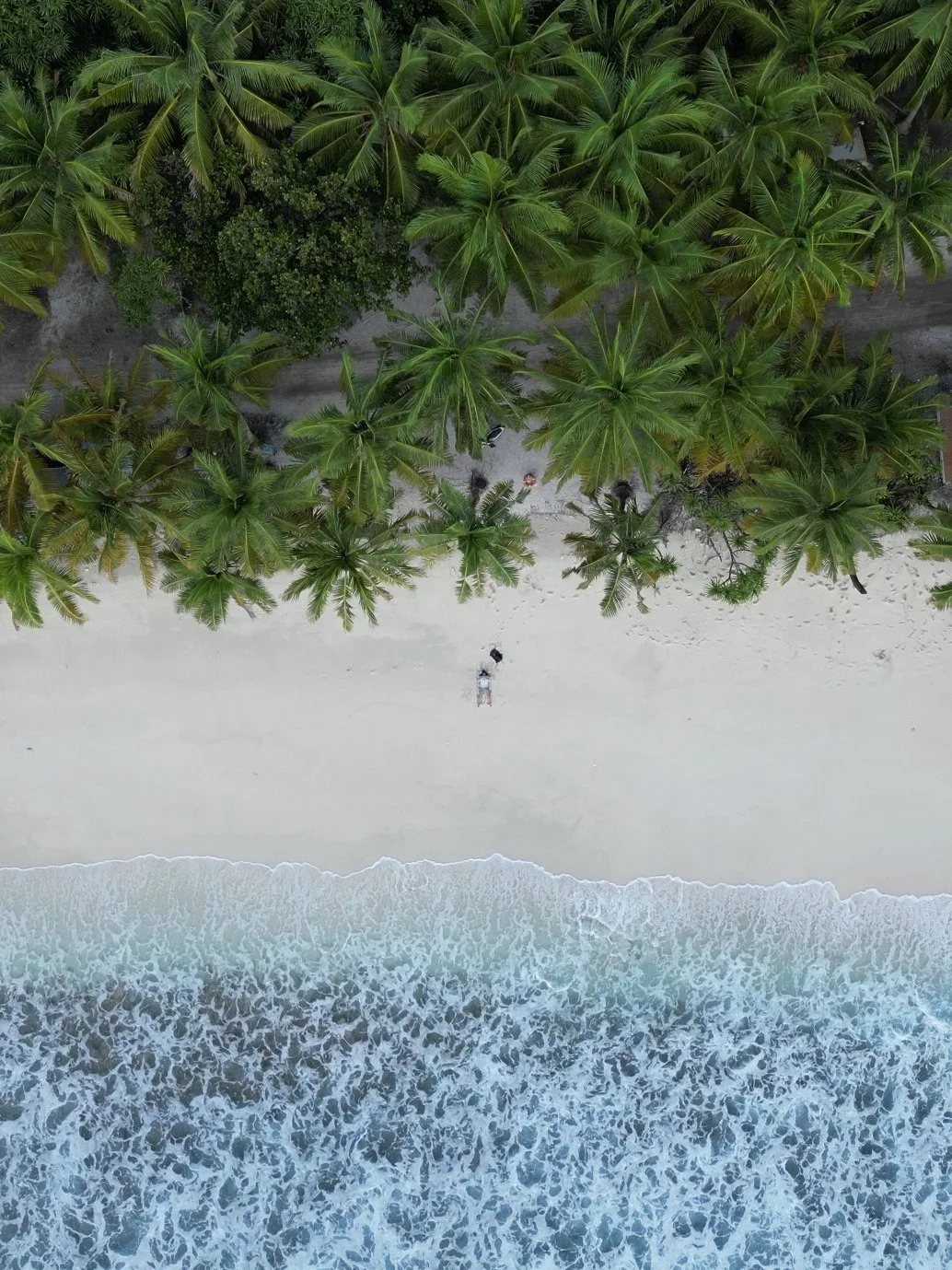
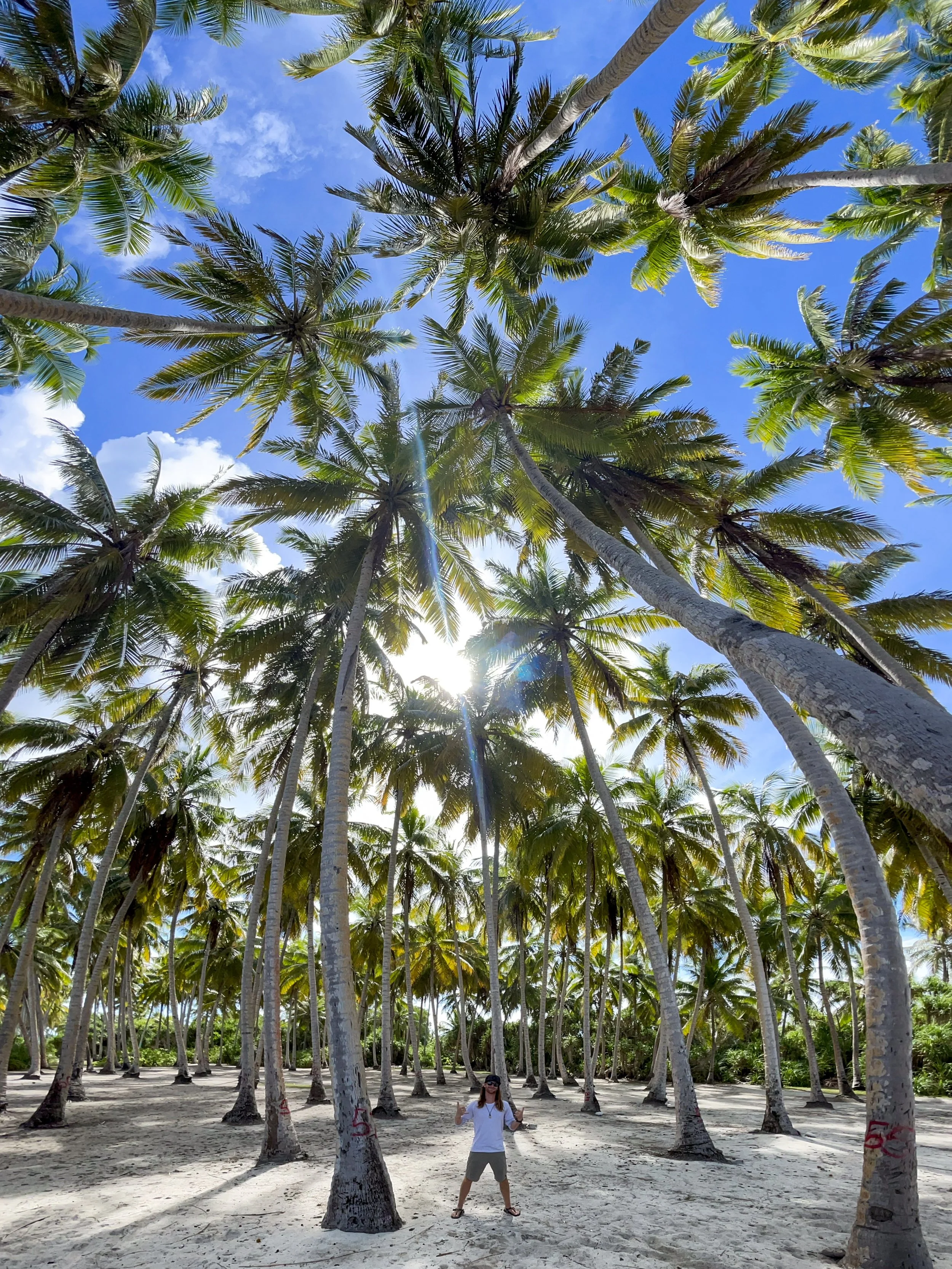
My favorite island is Fuvamulah, located far to the south of the country in the southern hemisphere. The closest atoll is Addu, where I visited before taking a one-hour boat ride to Fuvamulah. The main draw to Fuvamulah is the incredible scuba diving. The island has no lagoons like the typical islands of the Maldives; instead, deep reef walls jut straight out of the ocean. Because of this geology, the island has some of the most epic pelagic species, and depending on the season, you can see extraordinary marine life. I went in March, which is the end of the hammerhead season and the beginning of the Oceanic manta season. The main attraction is the large population of tiger sharks that hang around this area. Legend has it that the fishermen were upset with the sharks taking all the tuna off their lines, so they offered the discarded fish waste to the tiger sharks, and a bond was formed. The sharks eat the fish's remains, leaving the fish on the fishermen's lines alone. Some dive operators saw an opportunity and started offering dives to see tiger sharks. I wanted to see what this was about and have a chance to get up close to these apex predators.
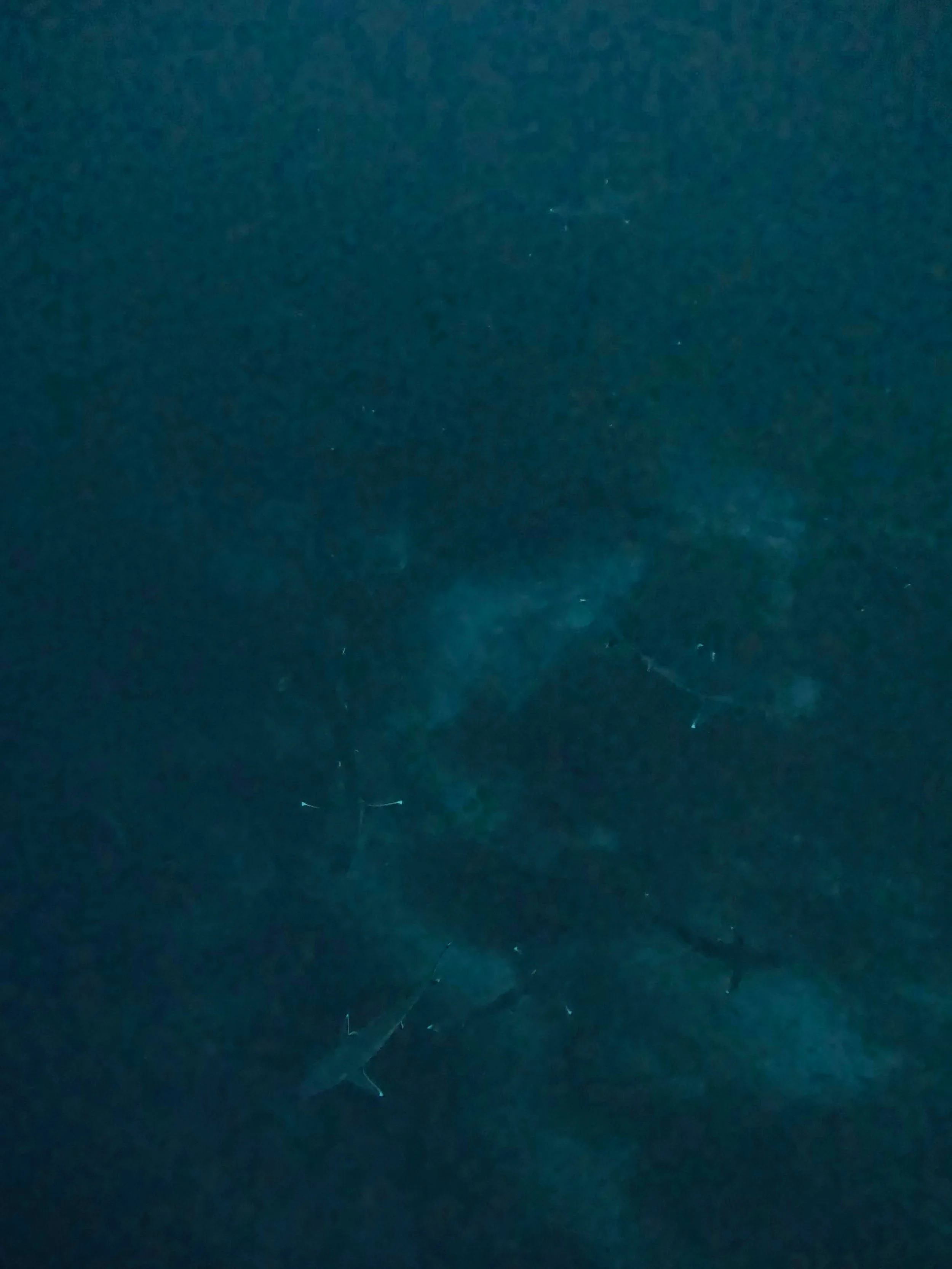
The main dive site is called Tiger Zoo, and we put our gear on as soon as we got on the boat. This is because it is only five minutes from the harbor. Additionally, we must dive using negative entry, as the tiger sharks can come up and inspect you if you hang at the surface. It is best to immediately get down to their level. I jumped in the water, and right next to us, there were already two tiger sharks around 3 meters long. We then headed to the area where you rest on the bottom while the boat comes over and drops the large tuna heads. An instructor grabs them and places them under a large rock for the sharks to investigate. Once those tuna heads were on the ground, I swear at least 20 sharks were circling us, focusing on the tuna heads. It was wild to witness this spectacle. I will never forget seeing the largest of the sharks, Rose, who is 4.5 meters long, come within 1 meter of my head, and I even had to duck to get out of her way. The enormous size of her head was mind-blowing. The coolest part of the dive was when we headed off the reef and into the deep blue. Some of the tiger sharks followed us, and it was a crazy sight, looking in all directions and spotting dark silhouettes in the distance. Suddenly, as the silhouettes came closer, it felt like the sharks were coming straight for you, but about 3-5 meters out, they would turn and go back into the blue. Although diving at the Tiger Zoo site was an extraordinary experience, it felt very commercial. Luckily, I had the opportunity to see many more tiger sharks in the wild during my time in the Maldives. Tiger sharks like to hang around the deep Thilas at around 30 meters, and if the conditions are right, keep your head on a swivel because they like approaching from behind!
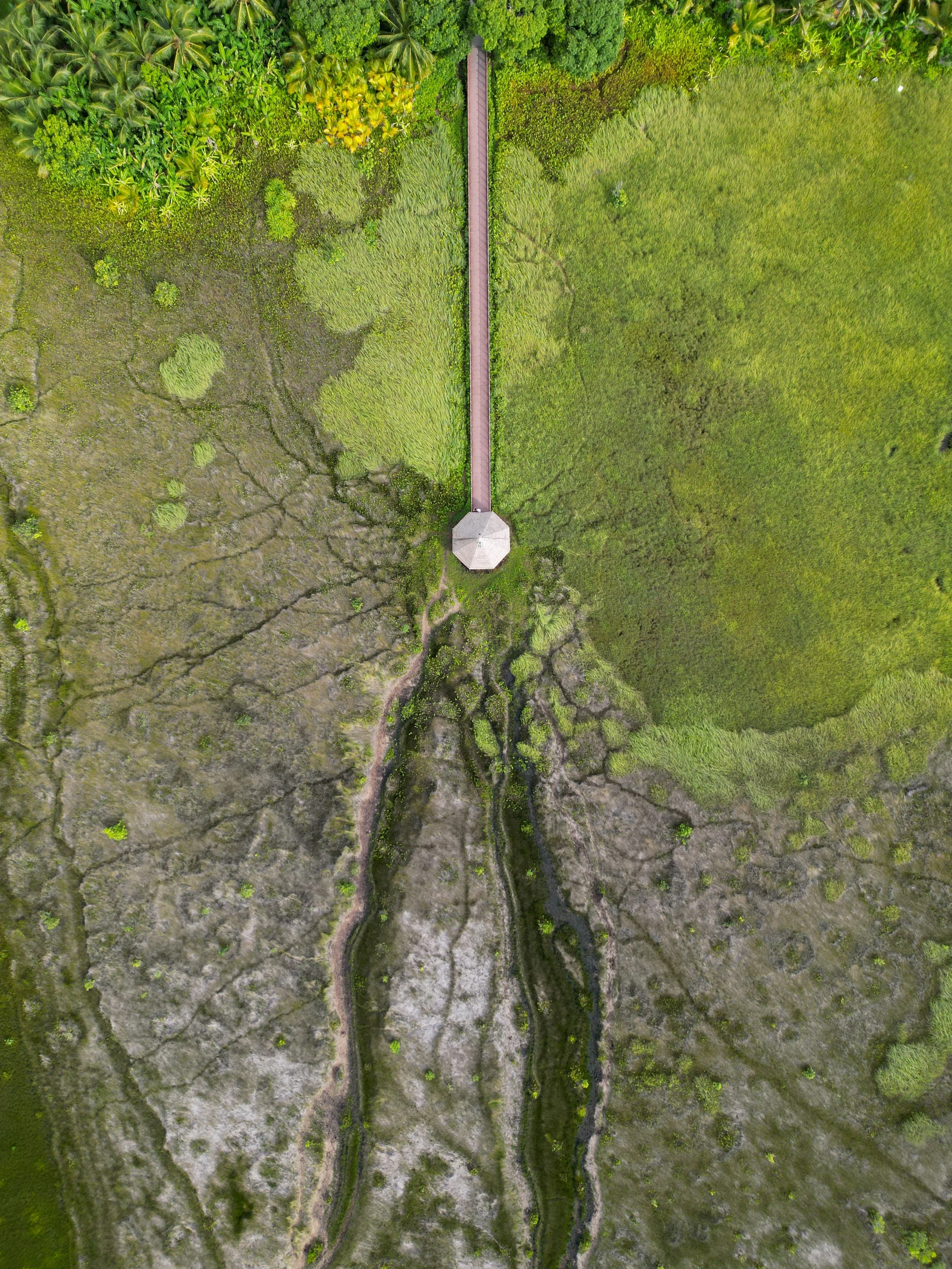
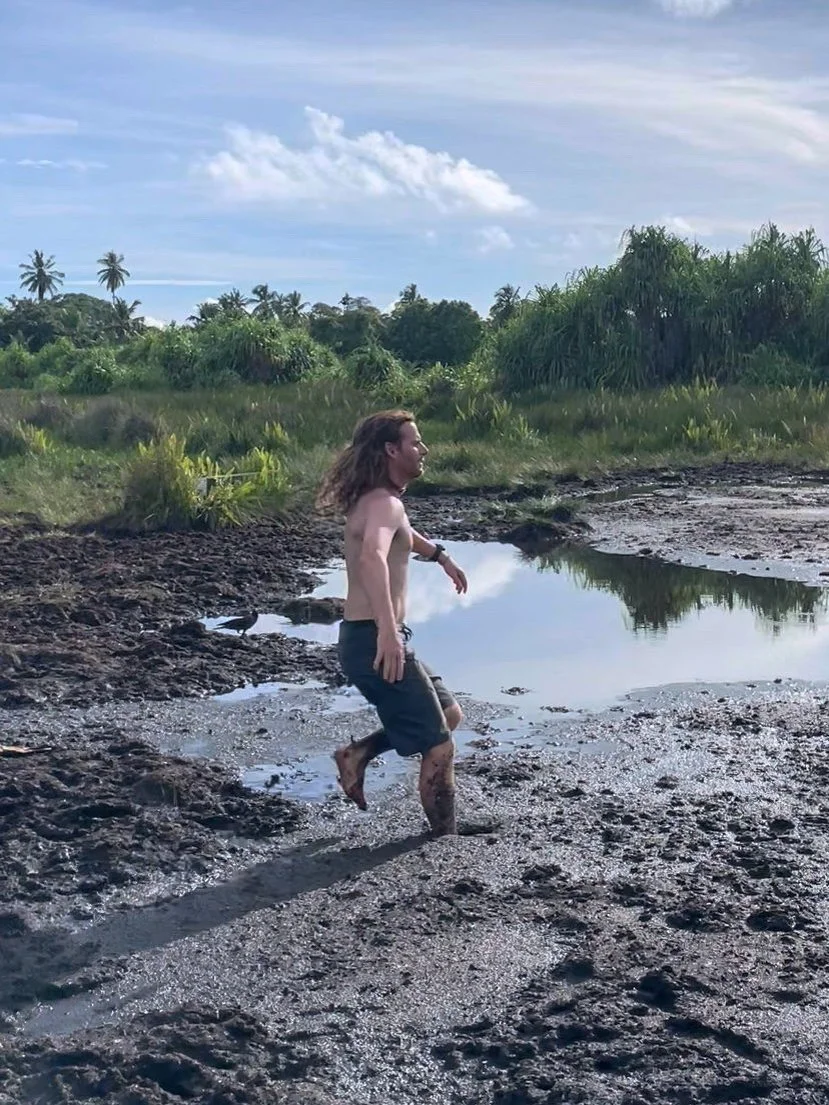
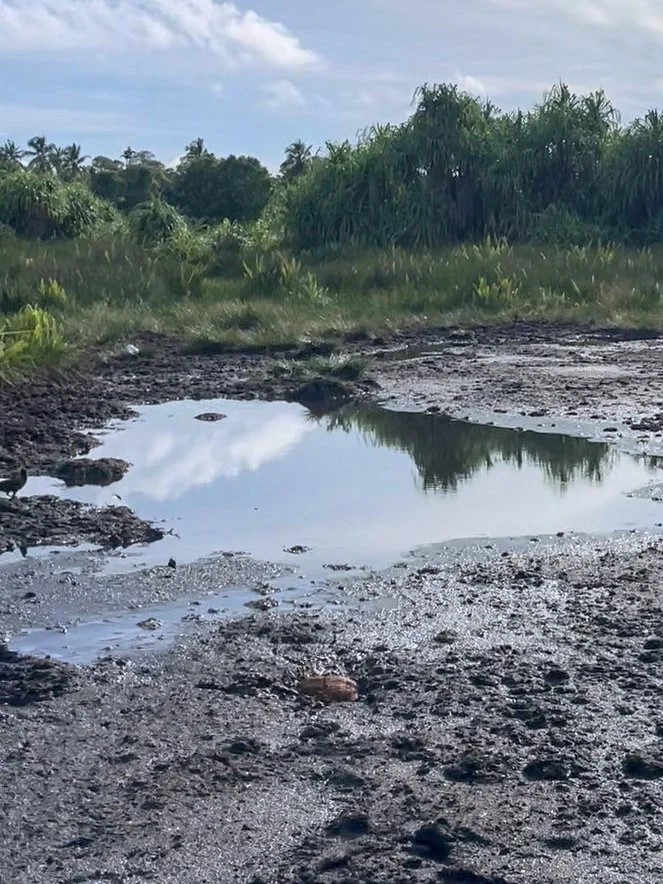
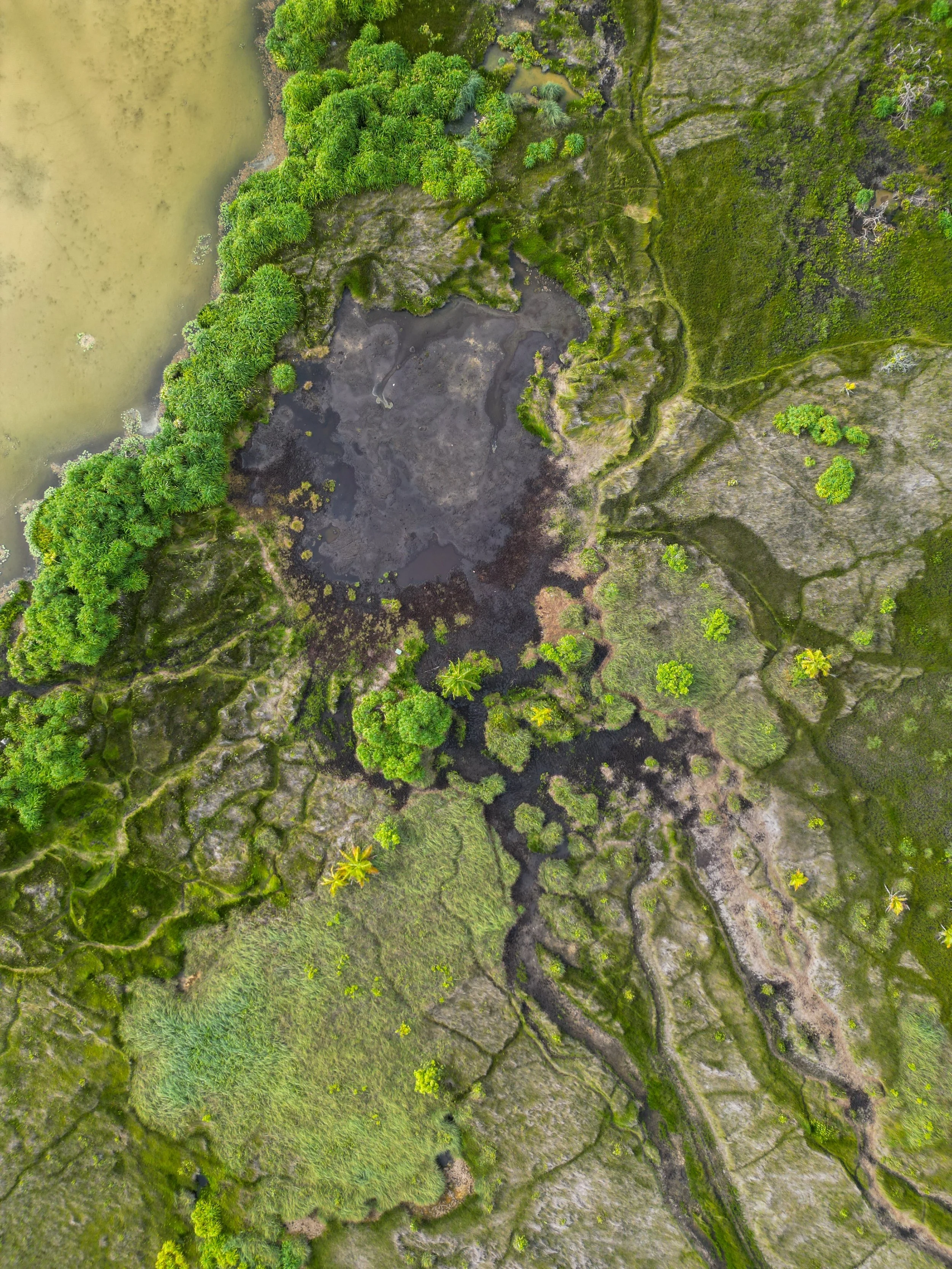
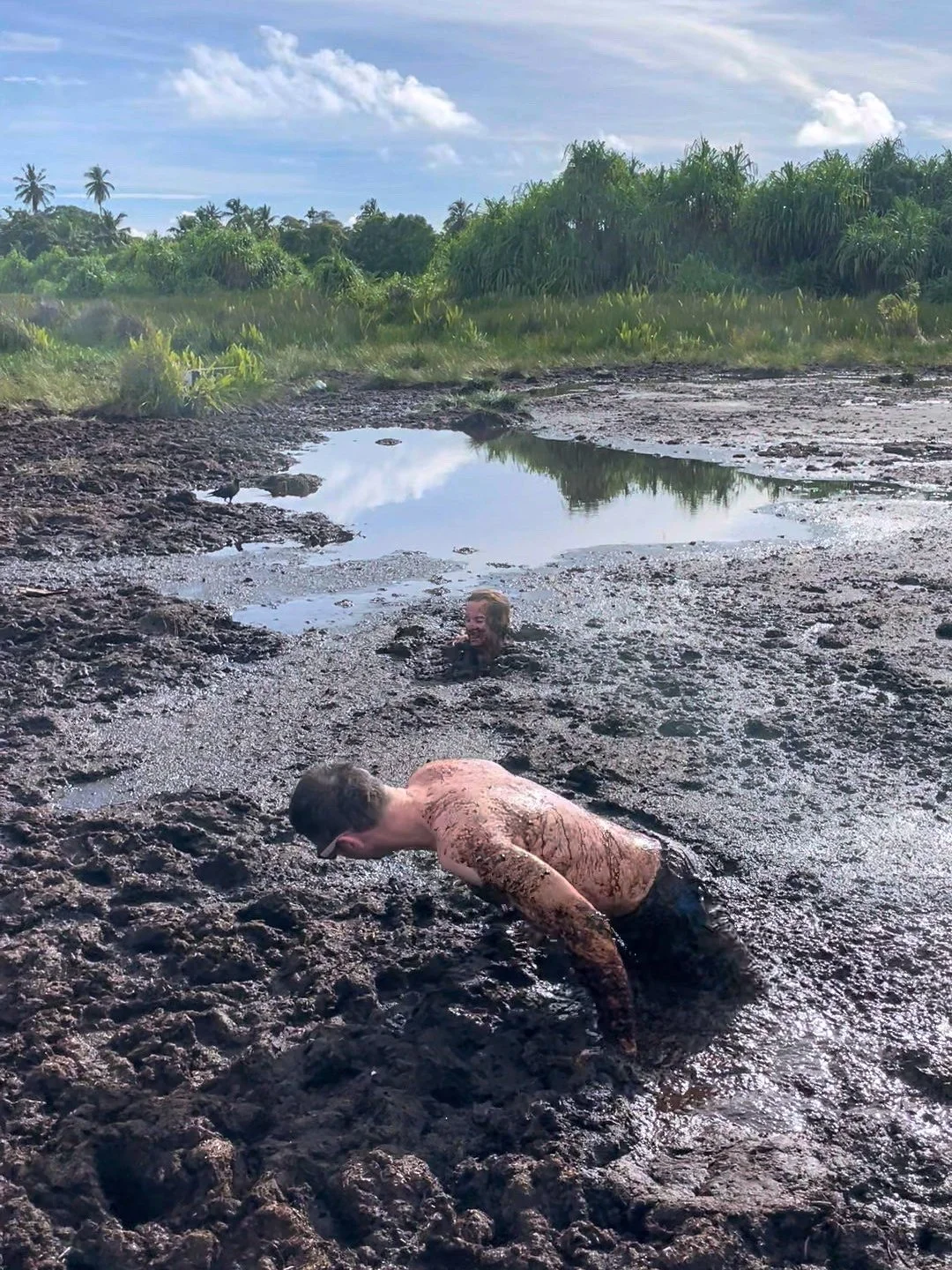
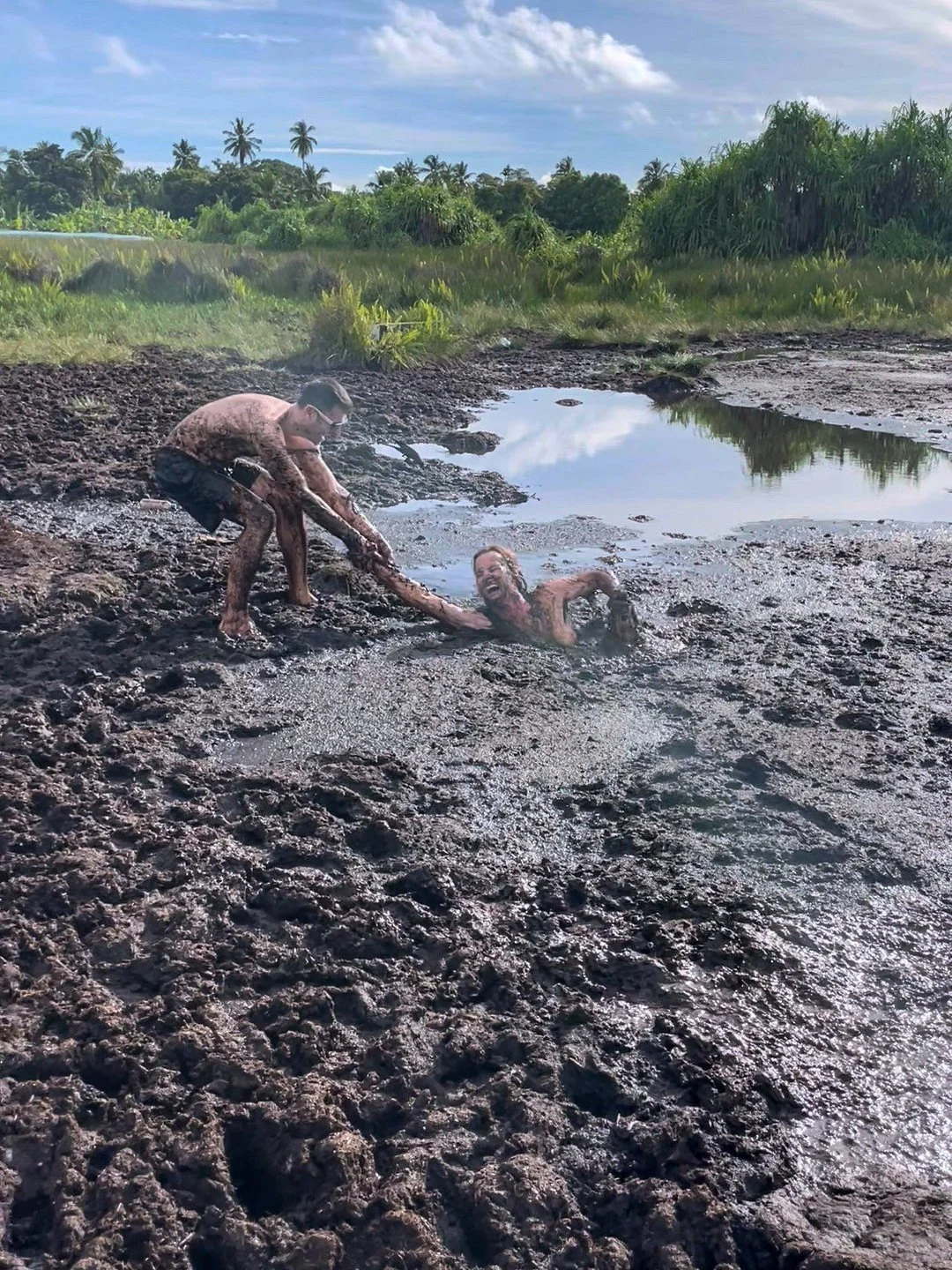
When not diving on the island, you can visit the many cafes and ride a scooter around the island, but the coolest land-based thing to do here is head to the mud lake, which is in the center of the island. You need to wear clothes you do not care about, as they will get stained, but jumping into the mud pits was such a unique experience. There is a liquid mud layer on the top, but on the bottom, from your waist to your feet, are these giant, large clumps of root/ mud material. I imagine it is what a spoon feels like in a bowl of cereal puffs.
2. Fari Islands
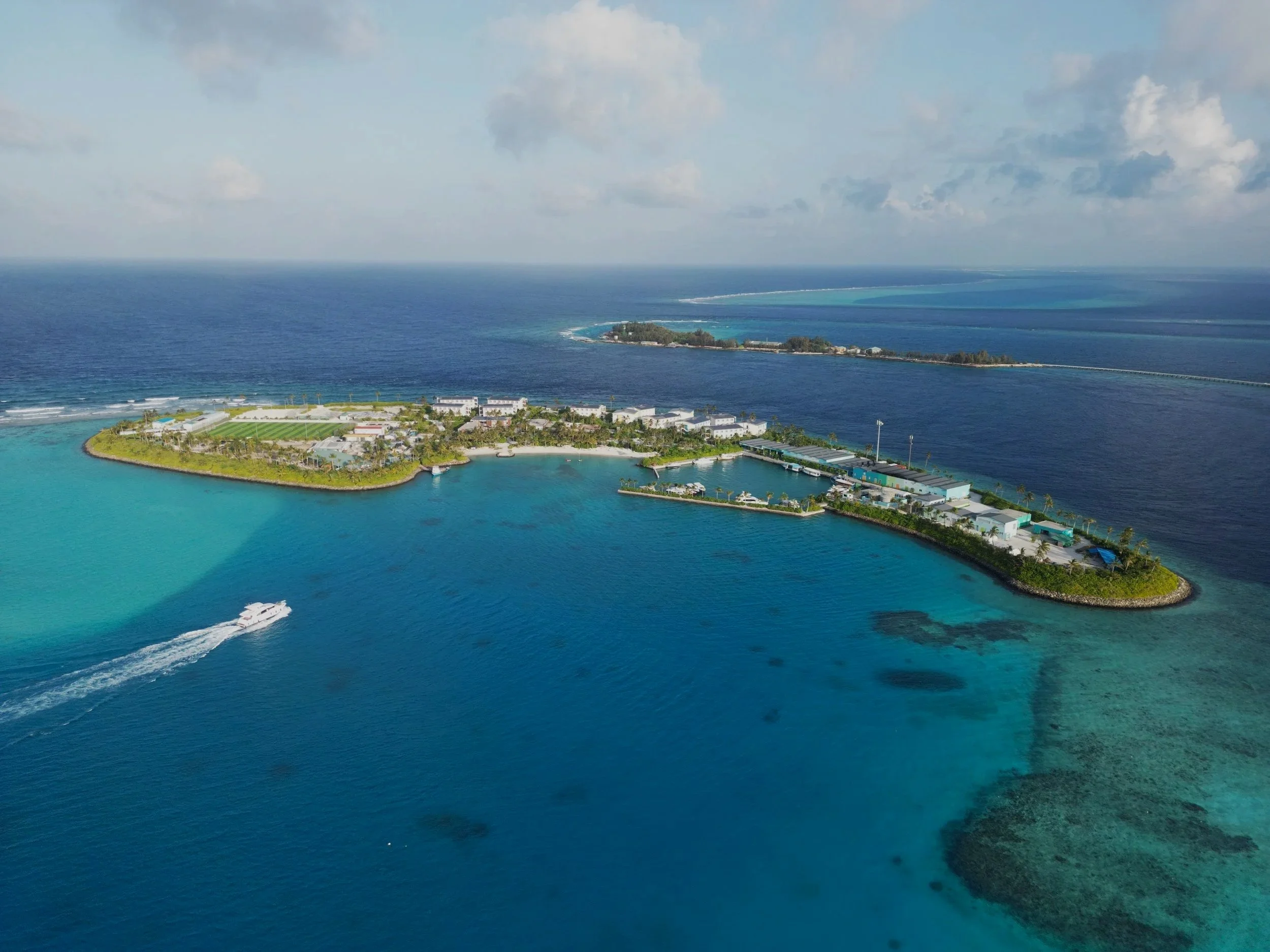
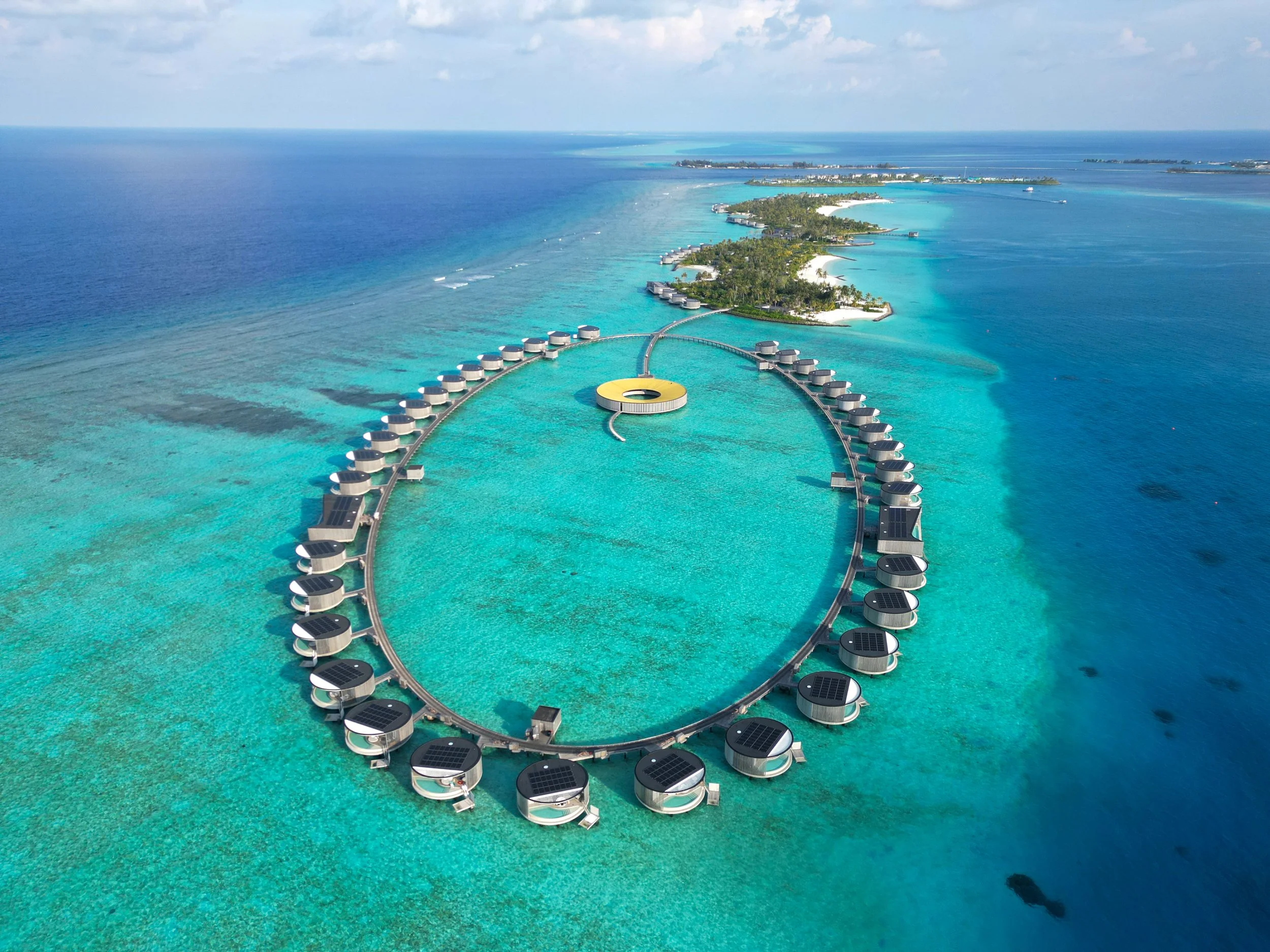
The Fari Islands are my second favorite because I spent most of my time here. I had many of my favorite wildlife encounters while working as the naturalist for the Ritz-Carlton Fari Island, Maldives property. The Ritz-Carlton is a stunning property with exceptional rooms, architecture, service, food, and overall atmosphere—perfect for someone seeking the ultimate luxurious Maldivian vacation. The other resort in the Fari Islands group is Patina, which offers its luxuries as well, but I’m a little biased for the Ritz-Carlton. It lives up to its reputation as a Forbes 5-star property. It is also close to Male and can be reached by speedboat in 50 minutes, which is great after a long flight to the destination. My role at the resort was to educate guests about the amazing wildlife found on the island. I was partnered with the Jean-Michel Cousteau Ambassadors of the Environment, which provides educational materials for certain Ritz-Carlton properties worldwide. I would lead snorkel excursions, join dives with guests, and provide them with a more personalized experience than what they would normally receive at a resort.
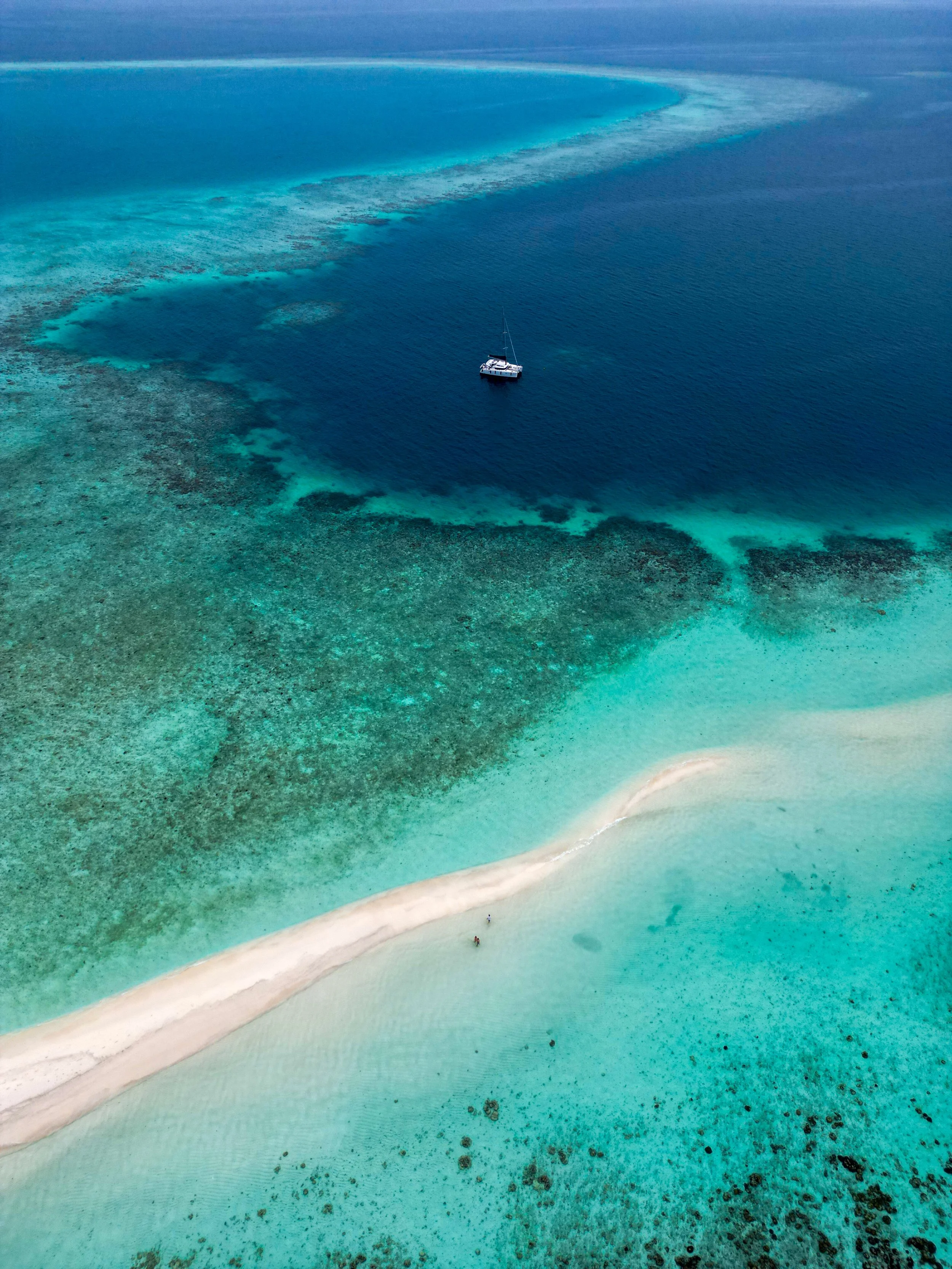
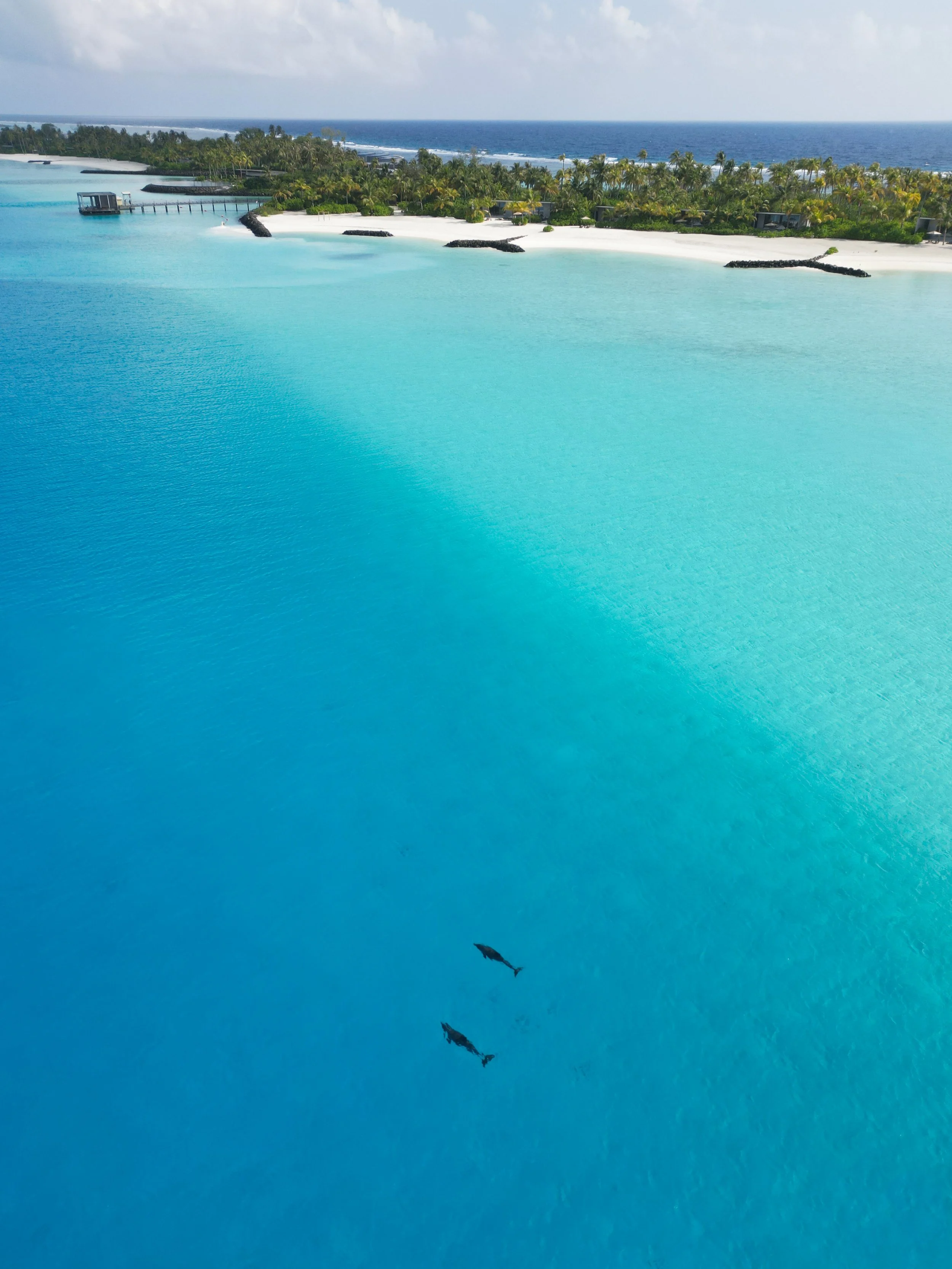
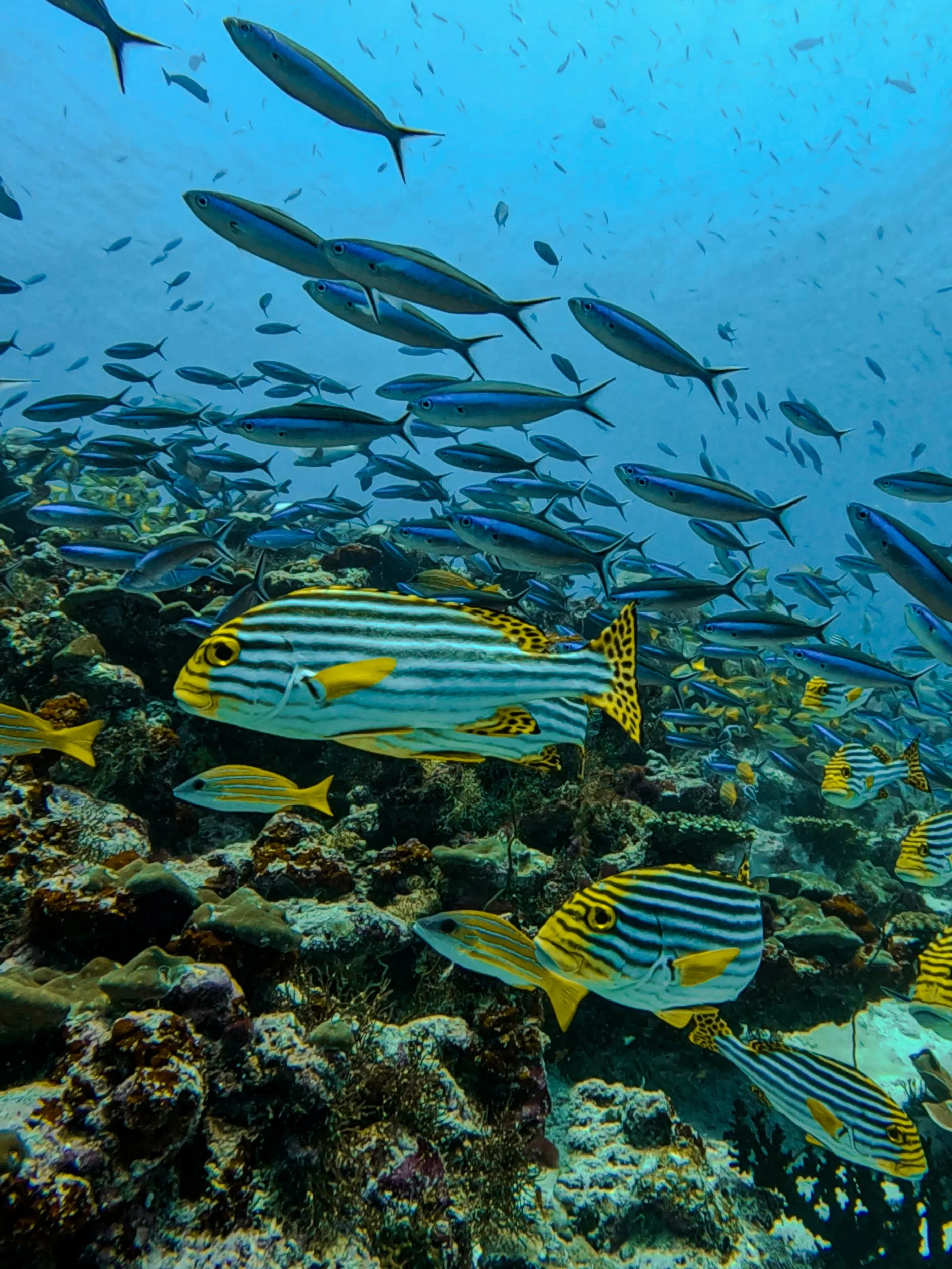
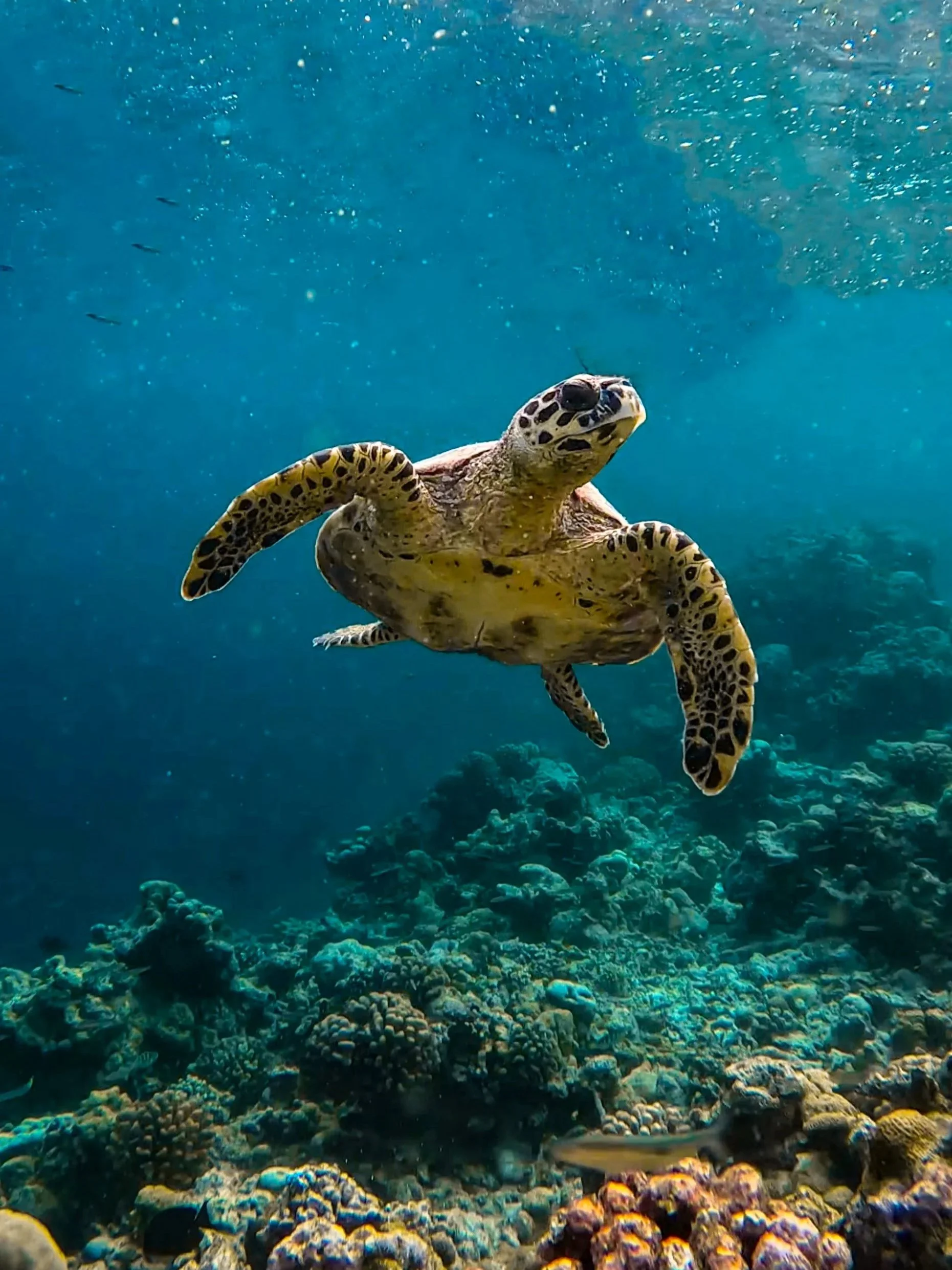
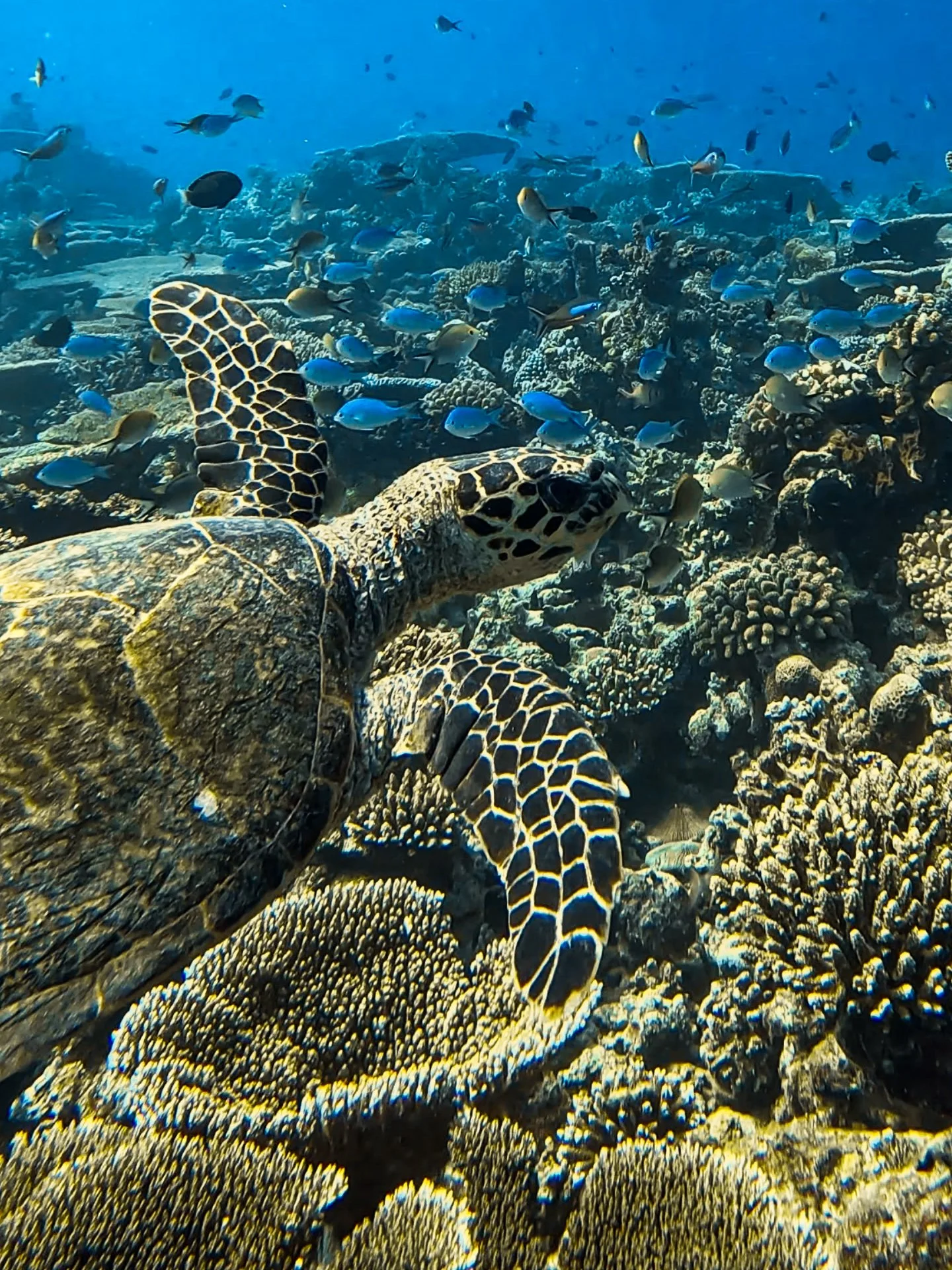
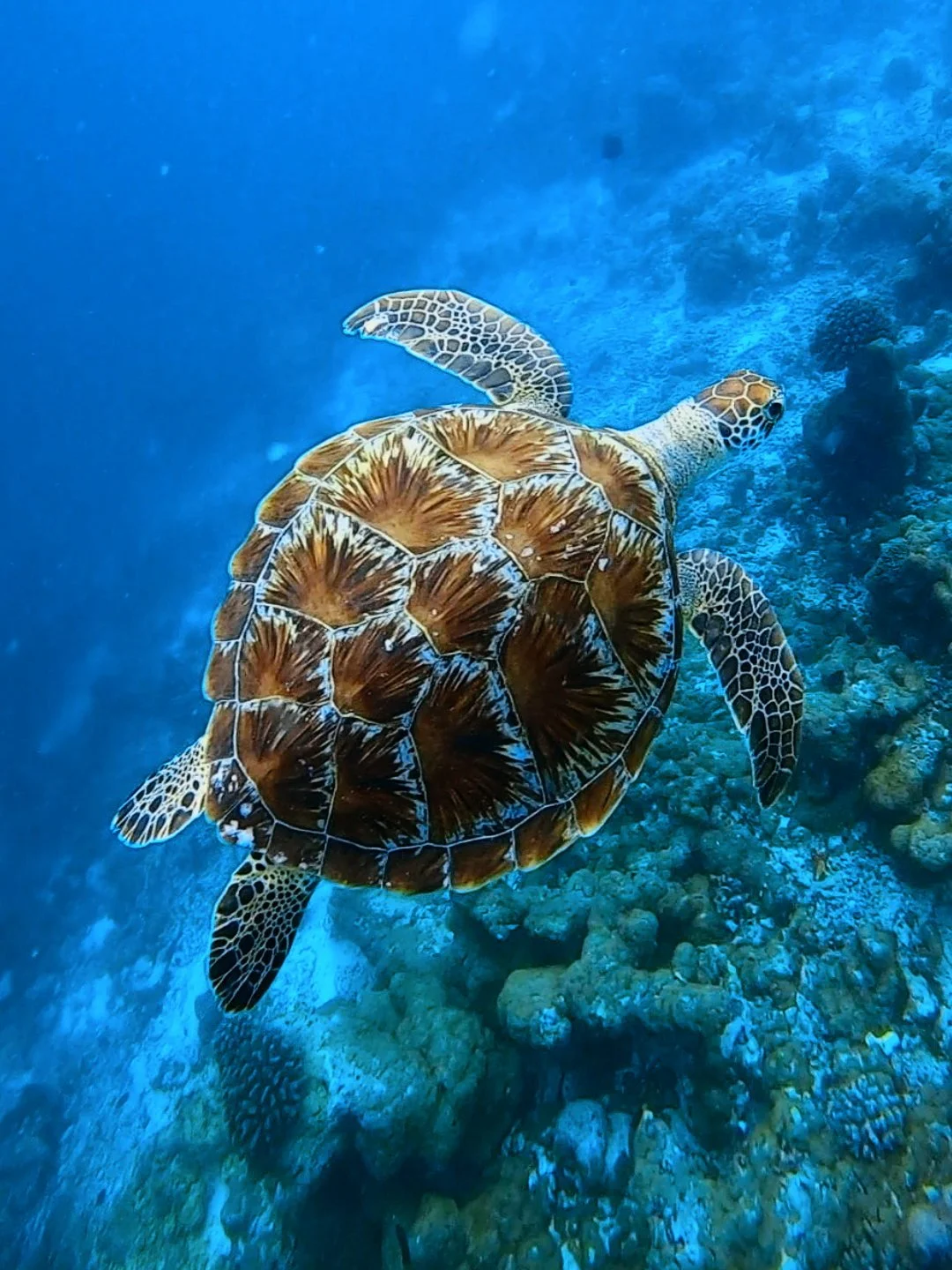
There are some amazing areas close to the resort for our guests. The best scuba site is Helengeki Thila, about 15 minutes away. During the right conditions, when the current is outgoing, you hook into the reef, and up to 50 reef sharks can be seen coming in to get cleaned and hunt for fish. Other common wildlife you can see are eagle rays, sea turtles, and multiple species of reef fish. On rare occasions, you can spot hammerheads and tiger sharks.
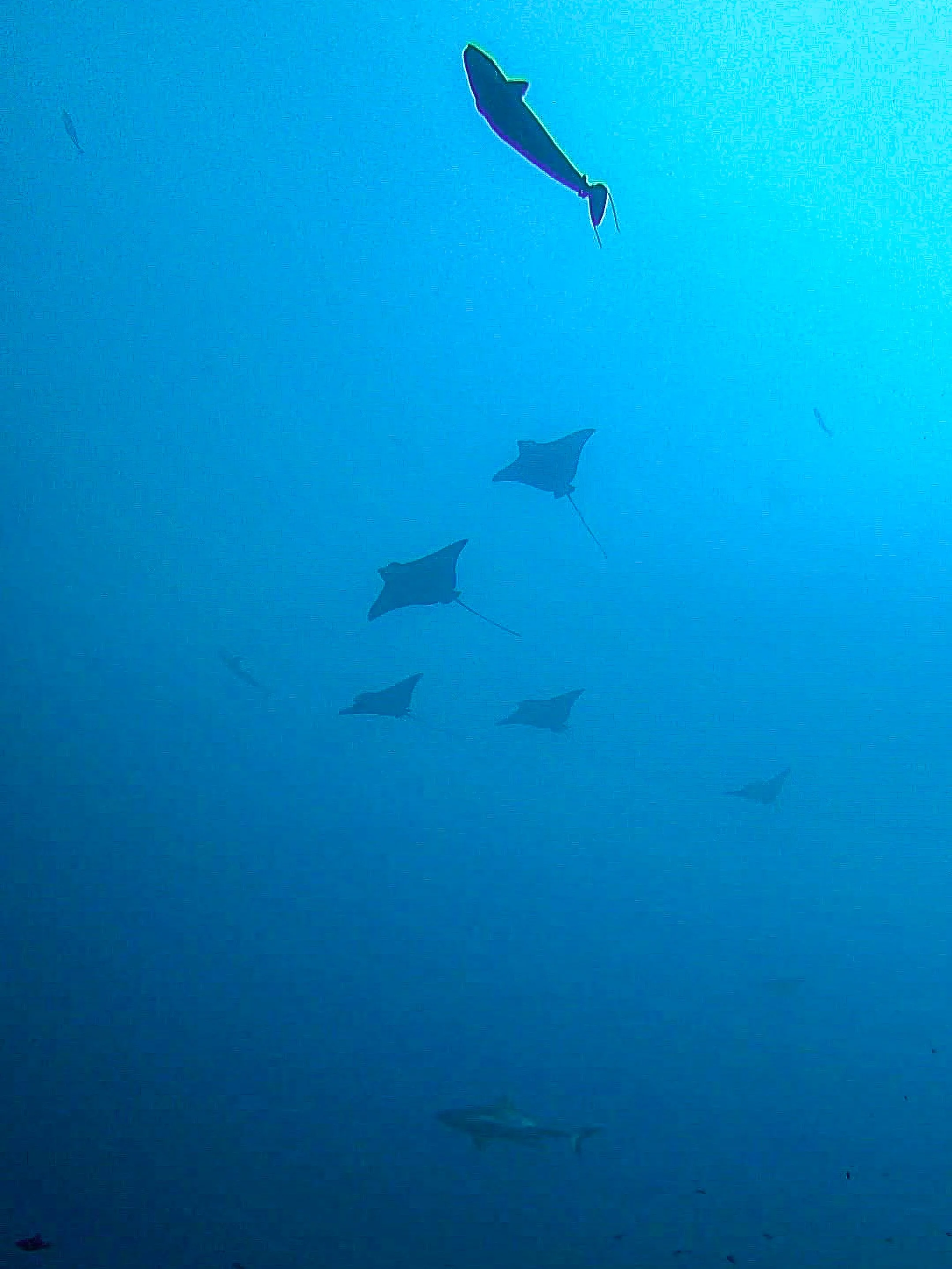
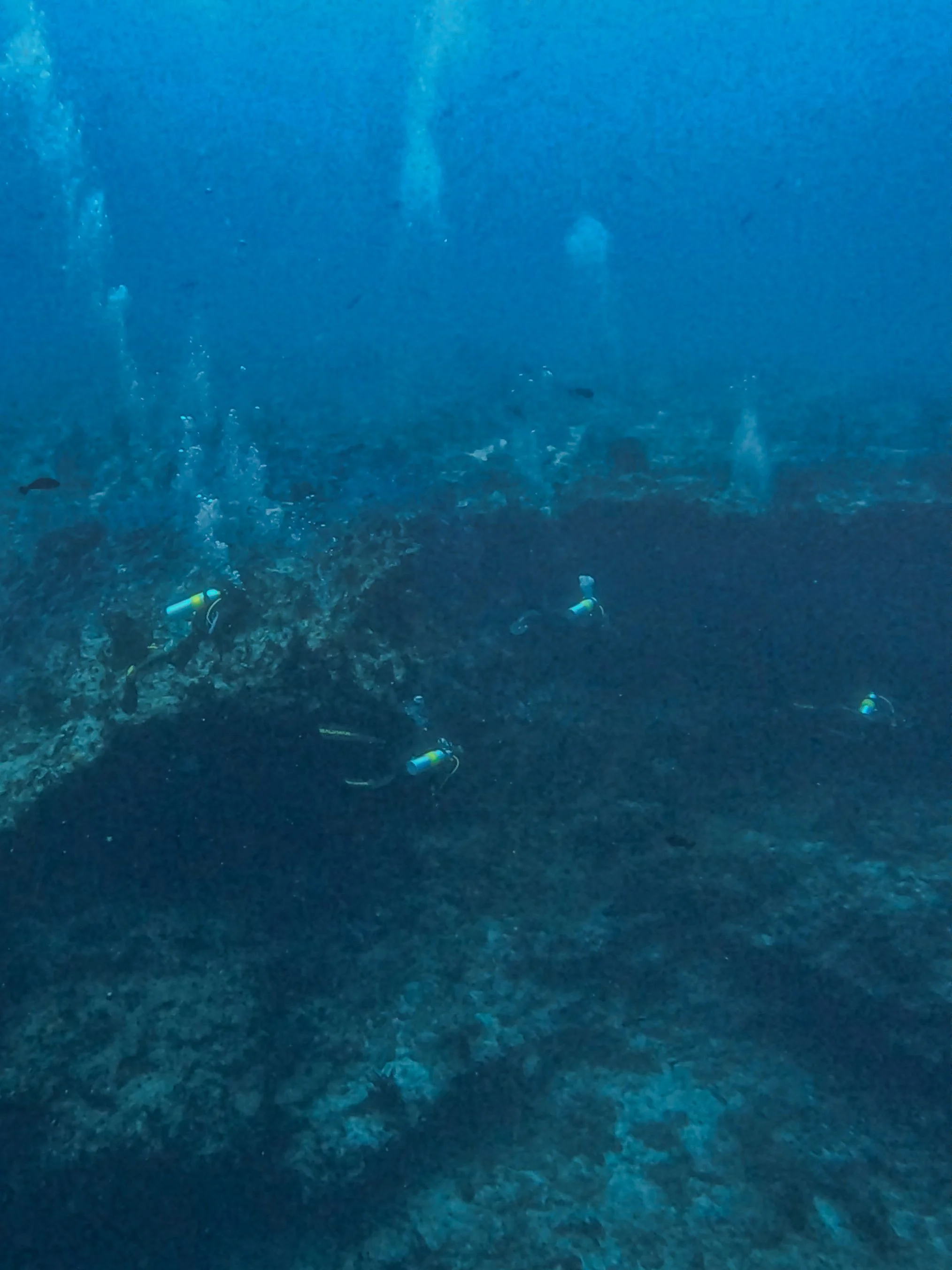
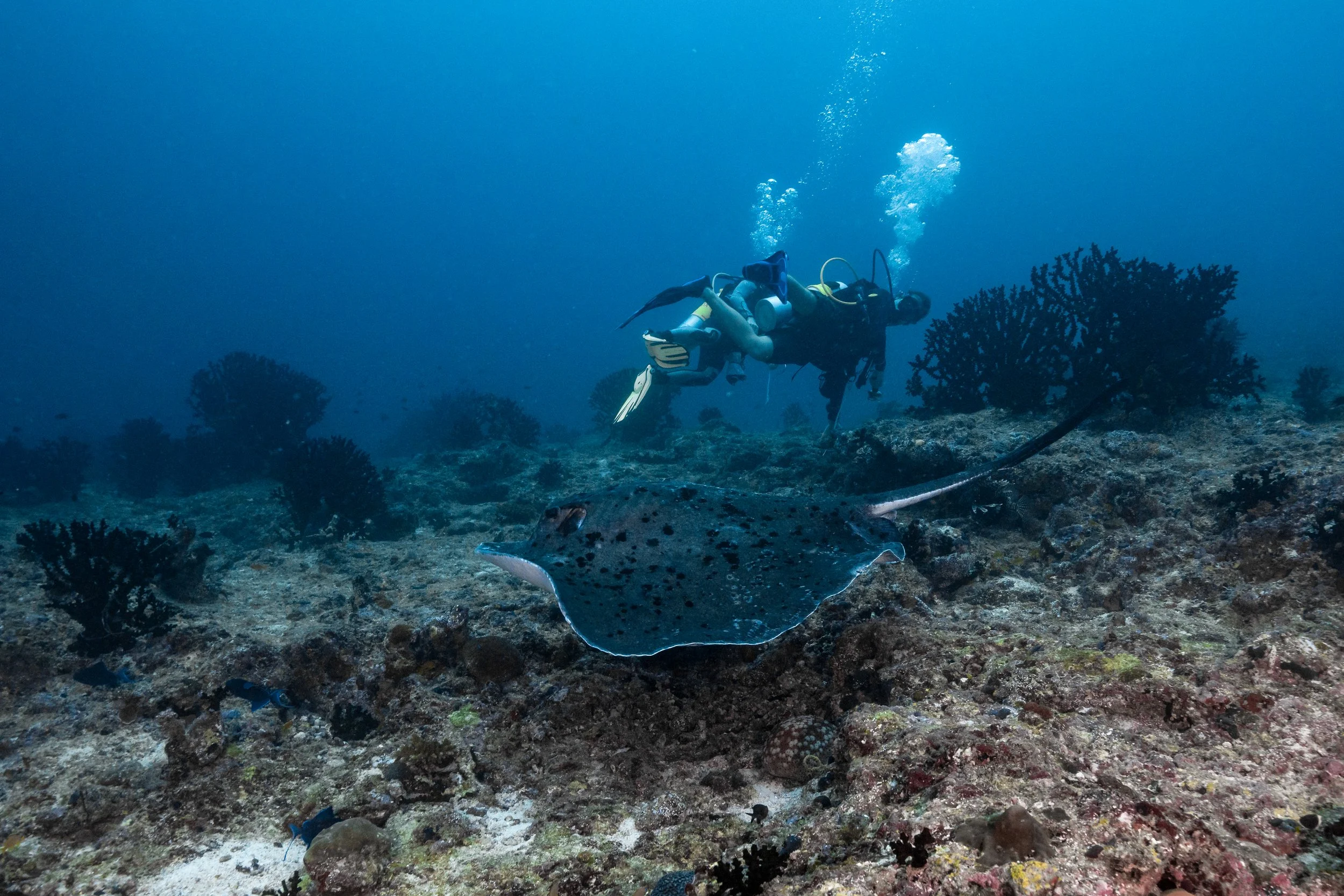
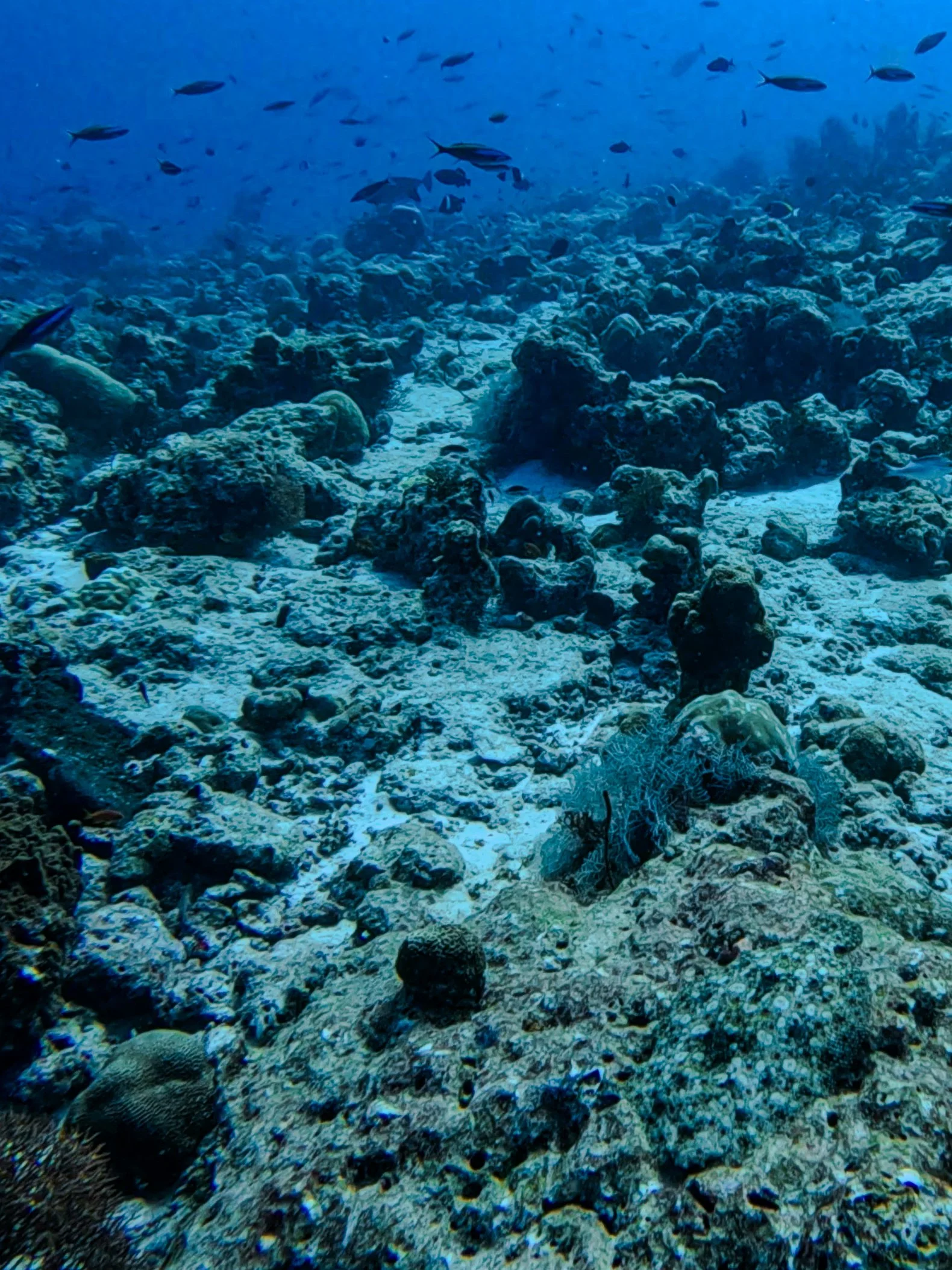
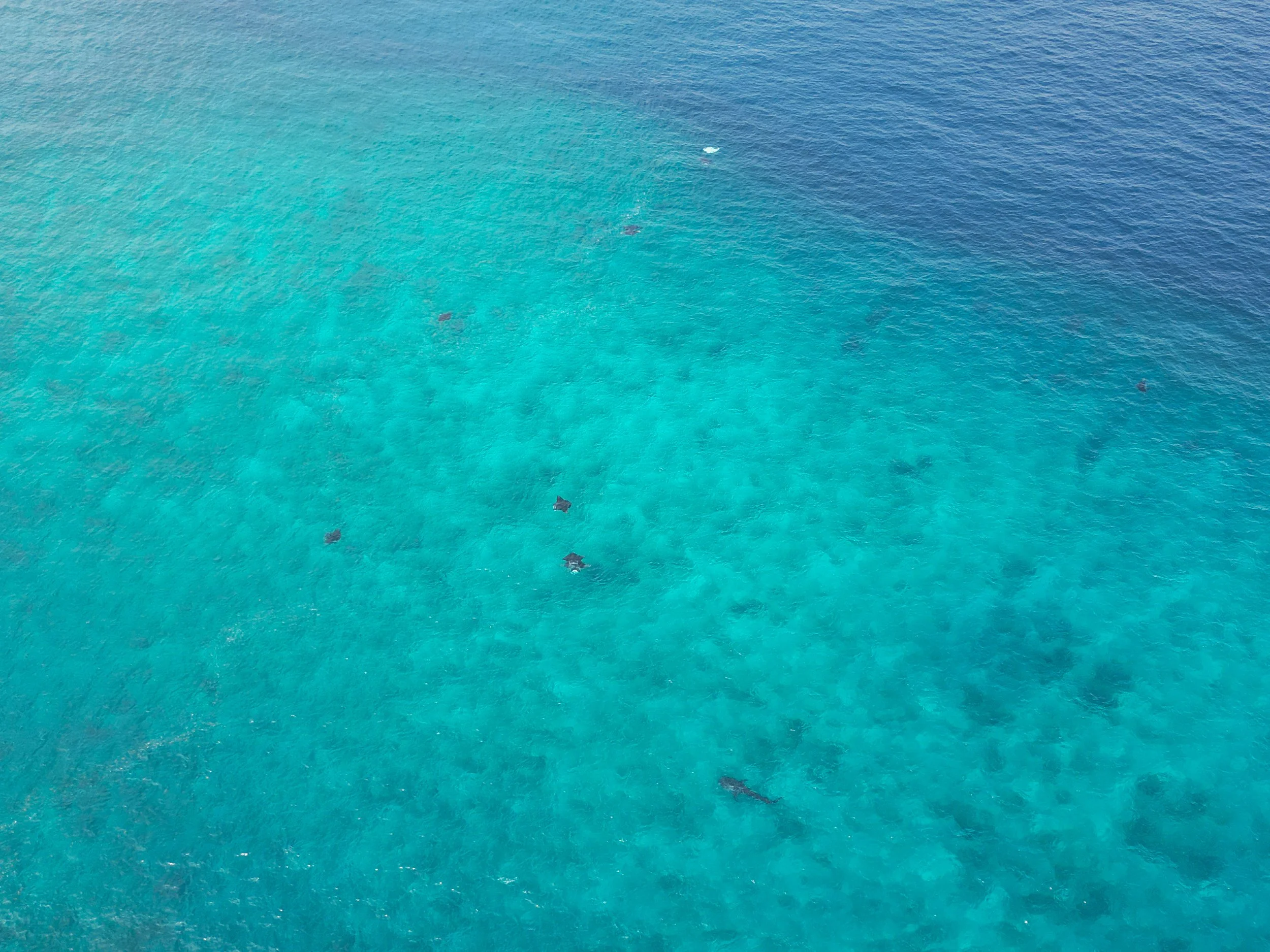
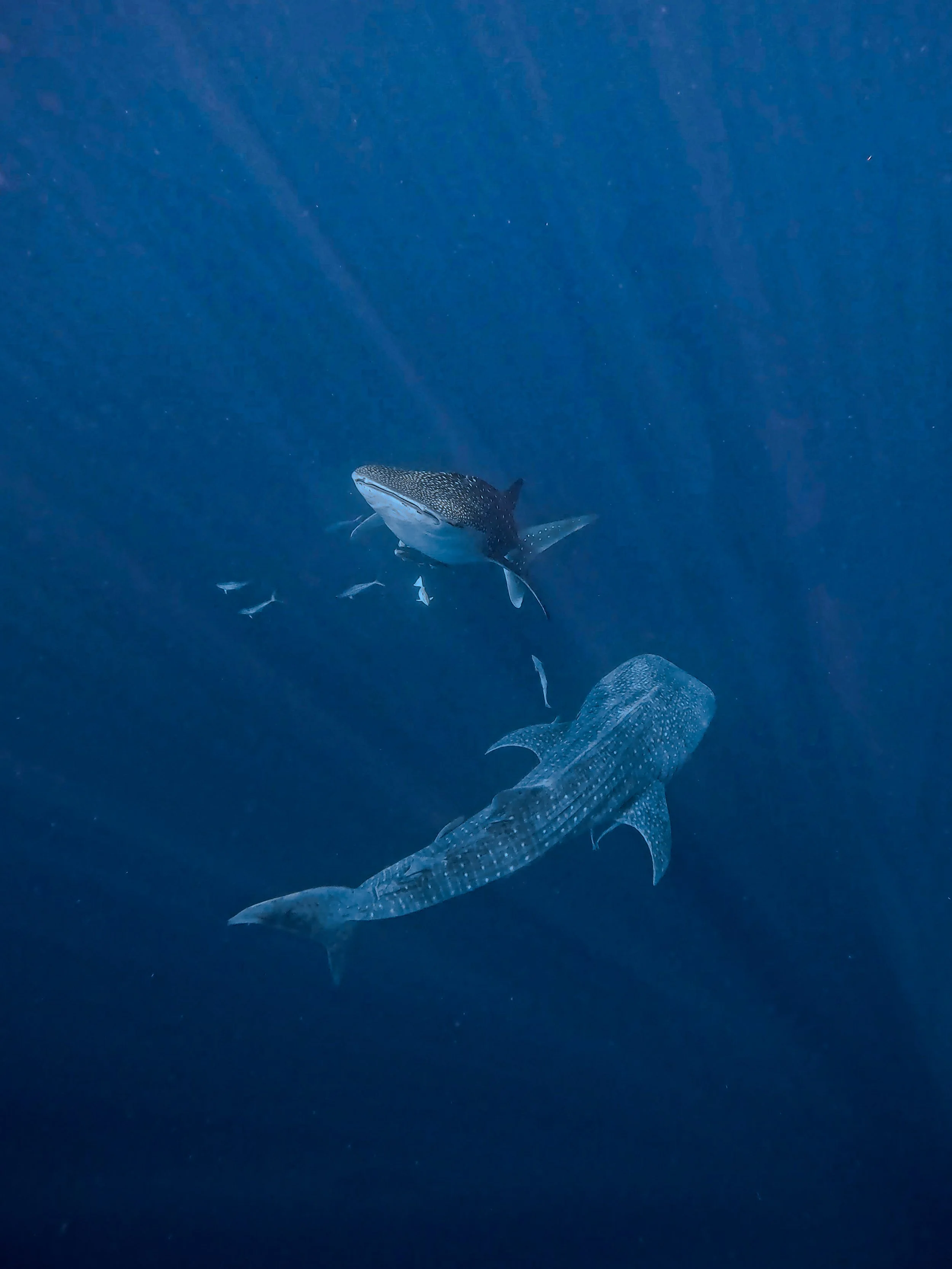
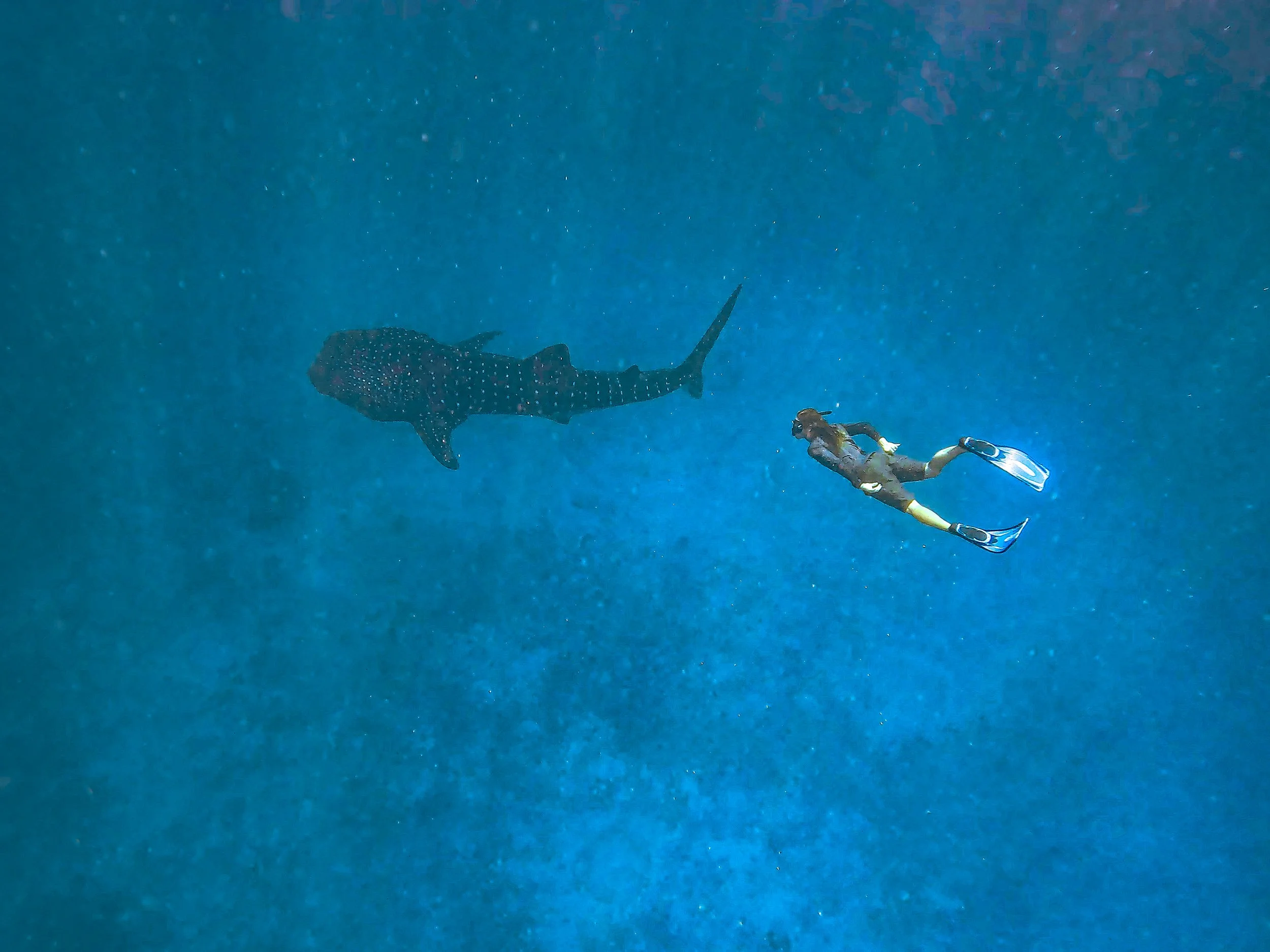
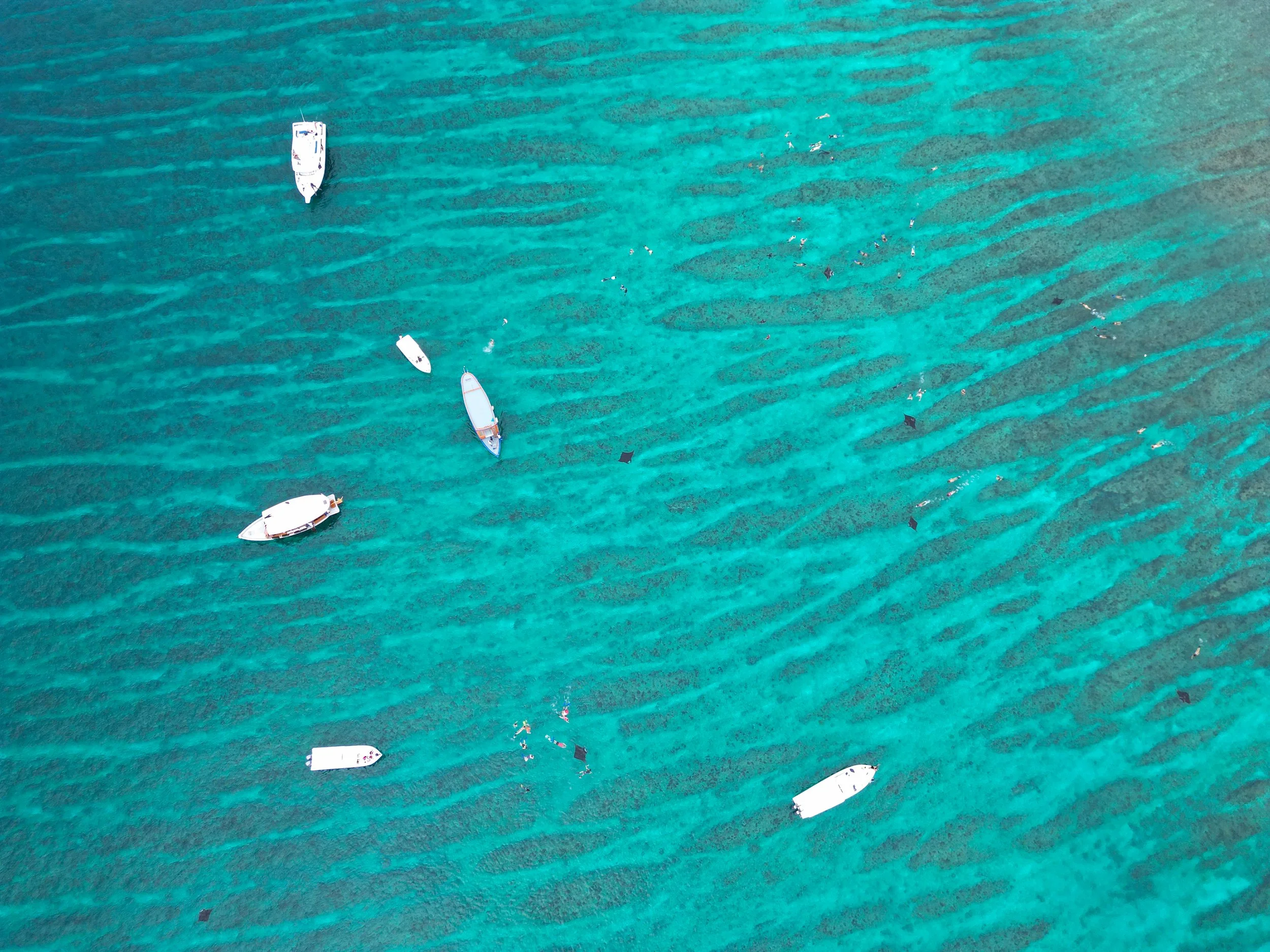
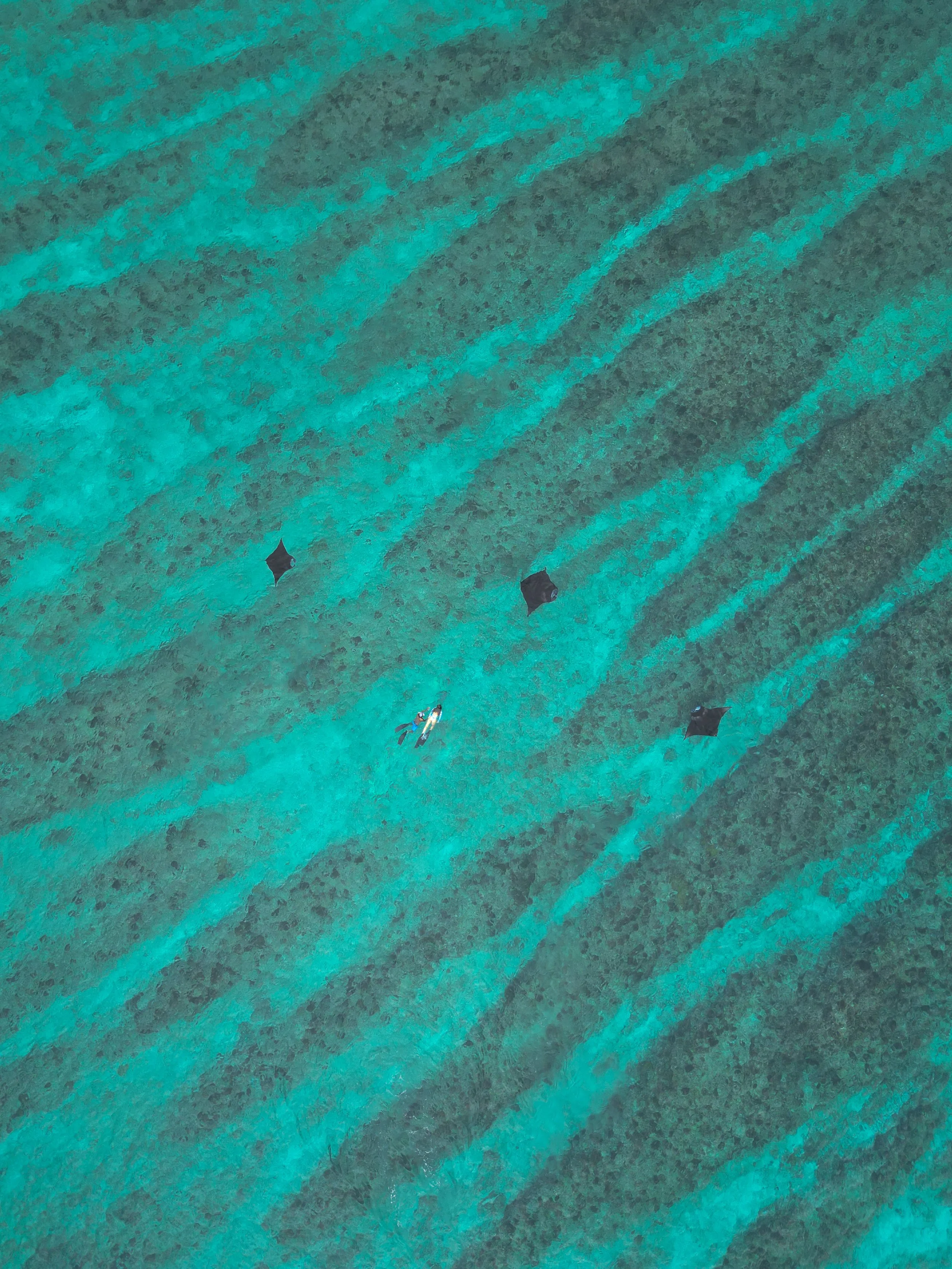
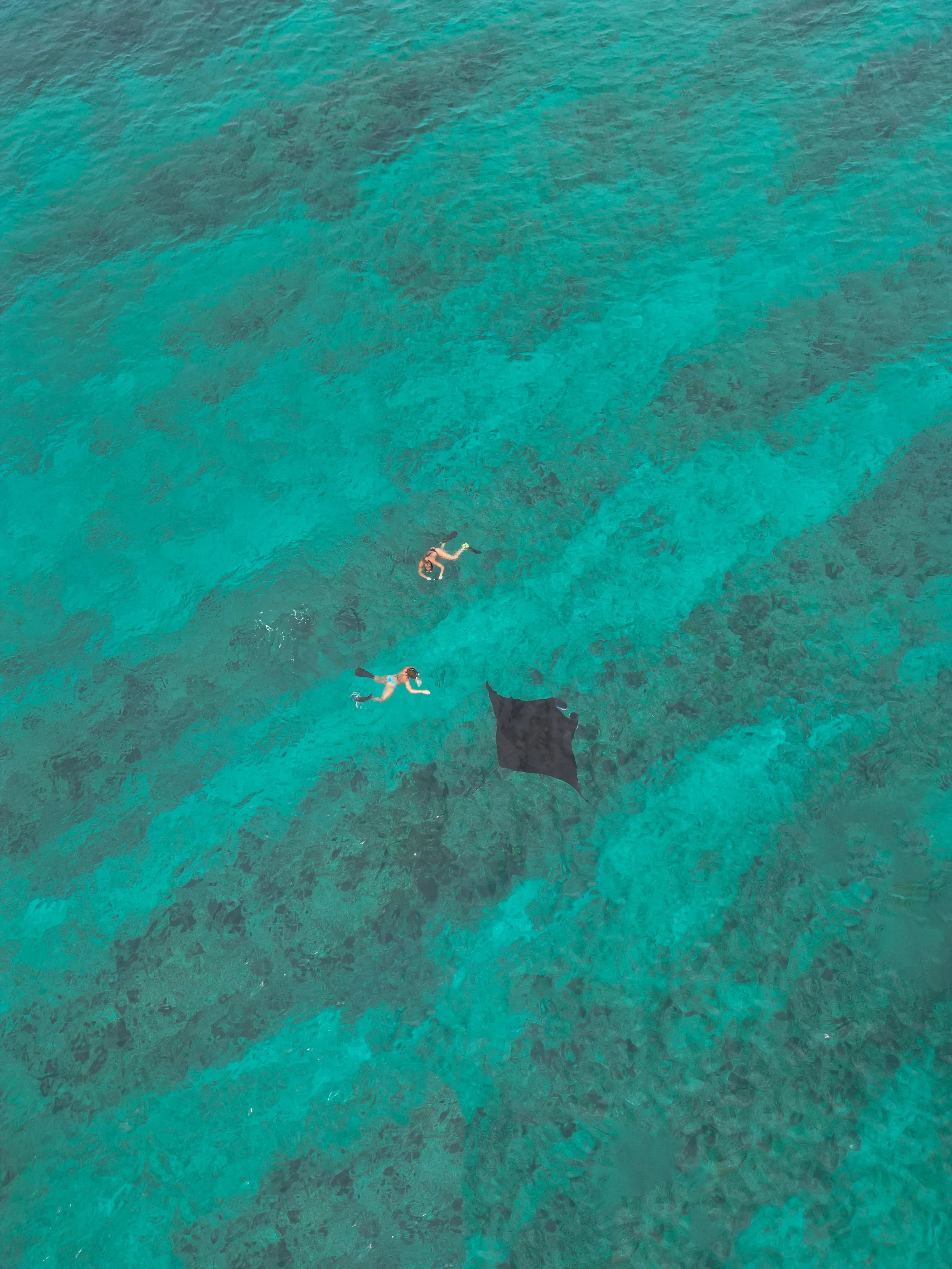
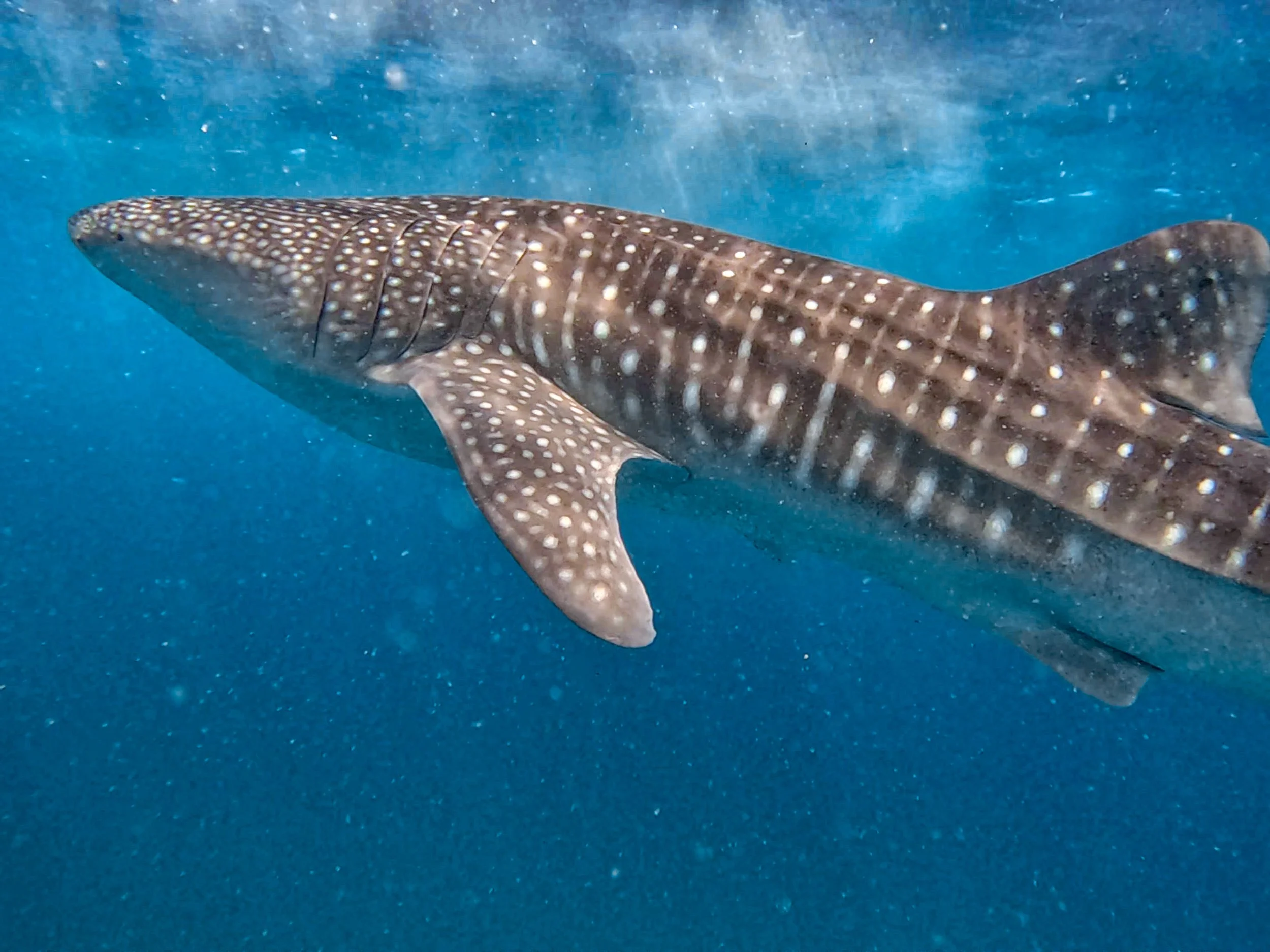
From January to April, manta rays and whale sharks can be spotted at Boduhithi Thila, on the other side of the Atoll. The first time I visited, I saw about 20 manta rays, and we spotted a whale shark with our drones. This was an unusual find because this whale shark’s exocrine system was completely dark, with no other markings. I checked with the Maldivian Whale Shark Research center, and they confirmed that it had not been seen before, so our group could name her. We named her Khazana, meaning “treasure” in the local language. We saw two more whale sharks swimming together that day. There is a Manta cleaning station here, and it is surreal to be so close to the mantas.
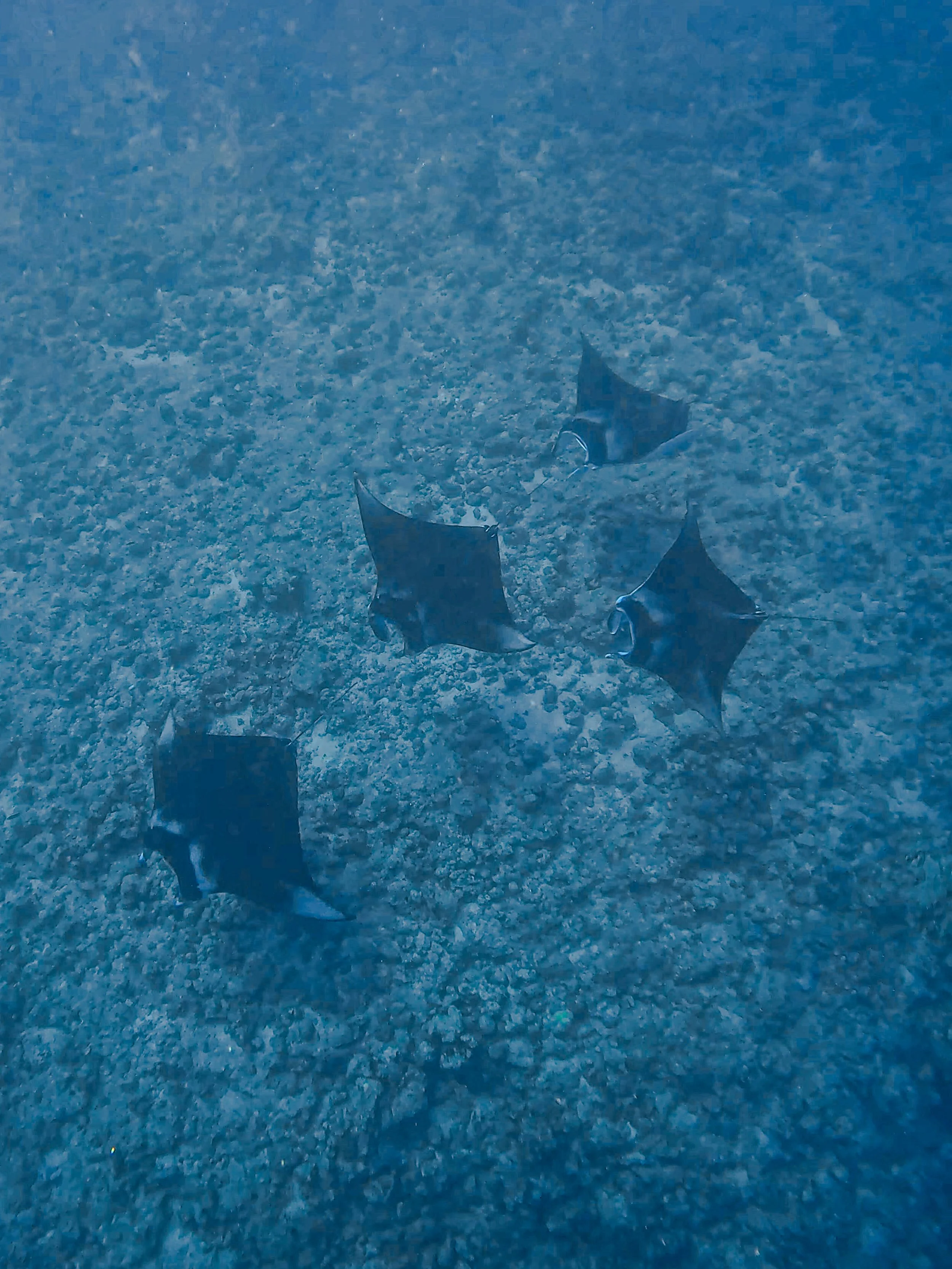
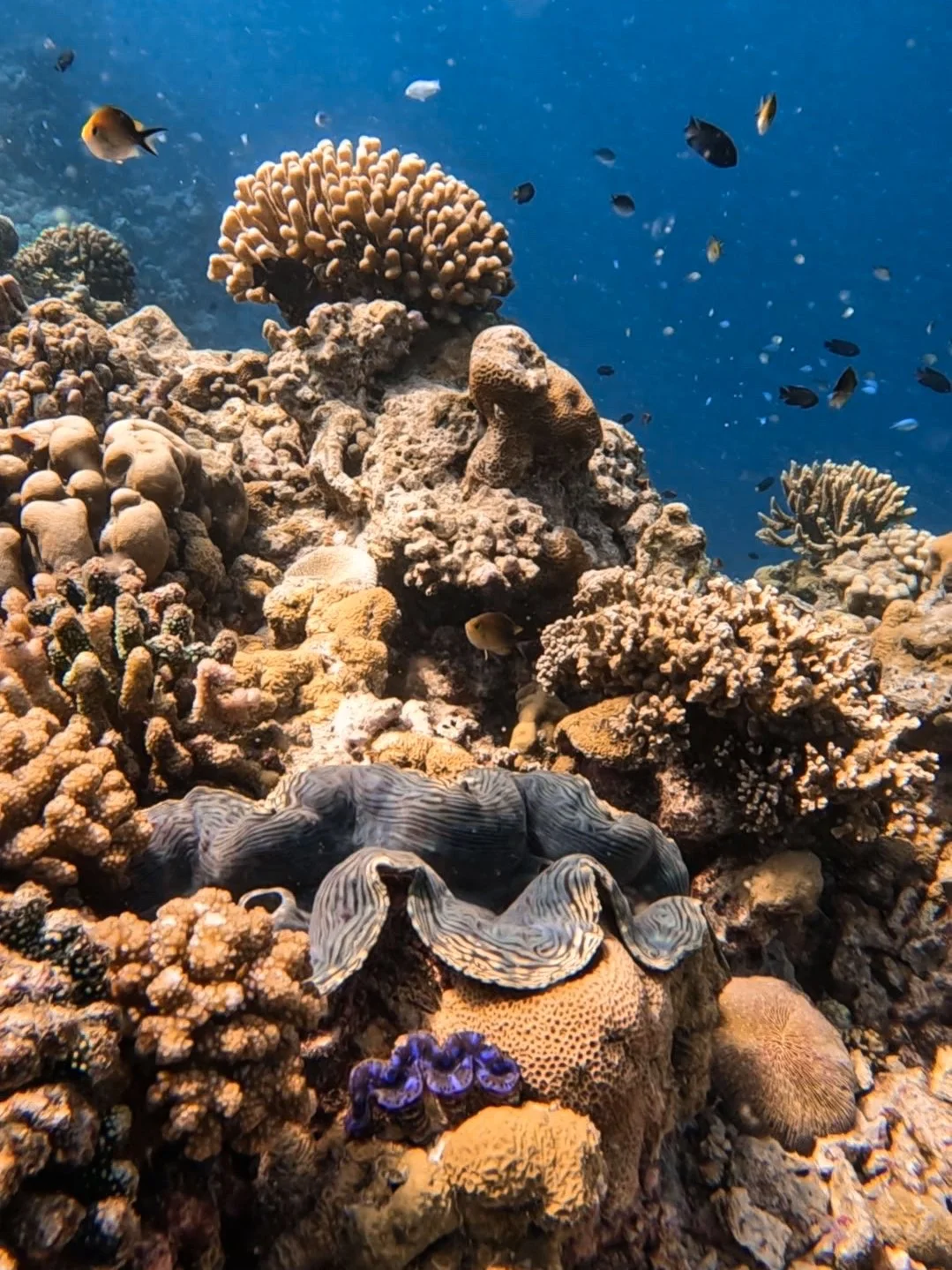
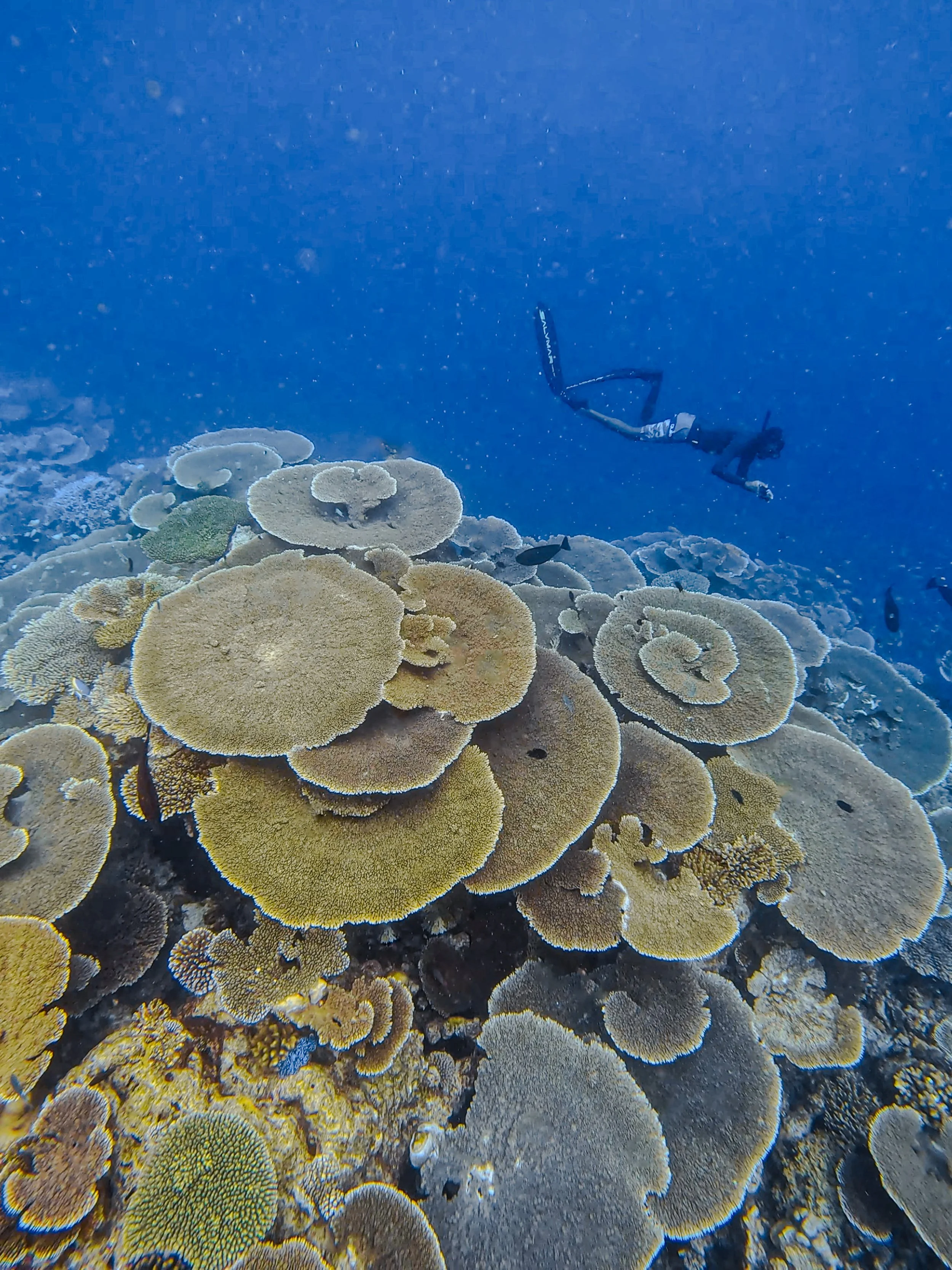
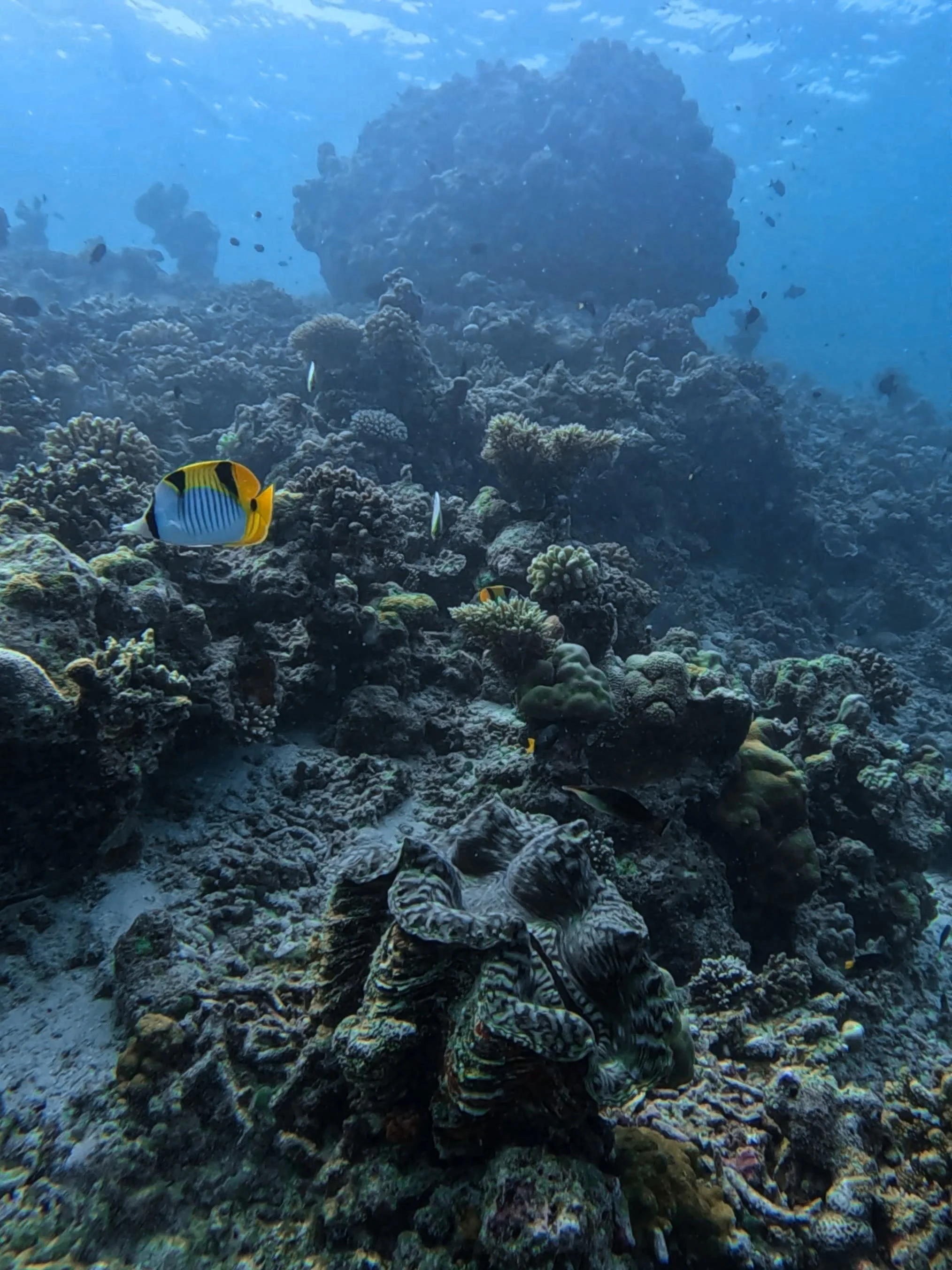
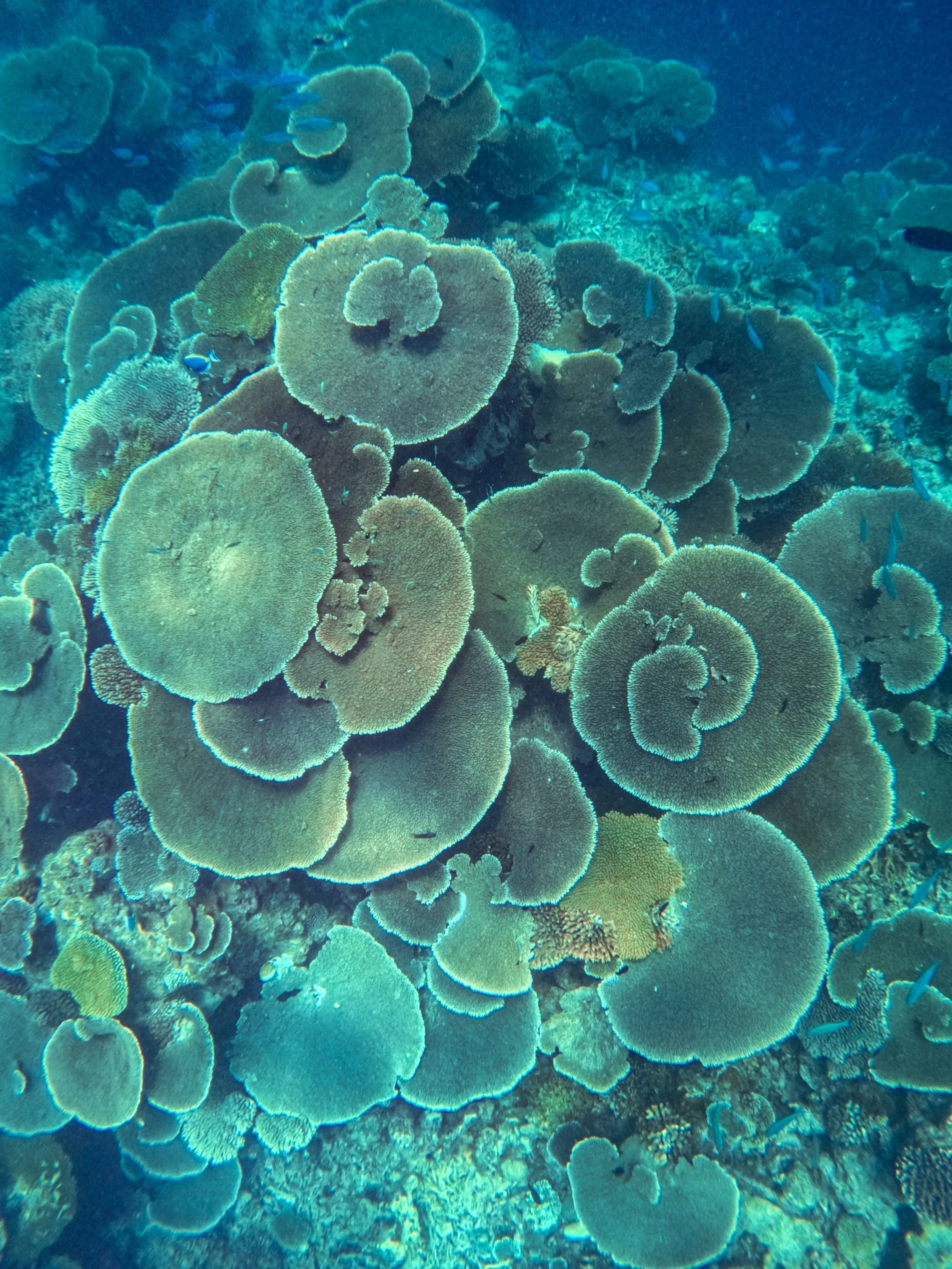
Two amazing reefs near the resort for guests are the Table Coral Garden and the Budohithi. The table coral garden boasts some of the most beautiful table corals I have ever seen. The reef sits just 3 meters deep and is completely covered with large table corals. The other reef for guests is Budohithi, where rays, sharks, and other creatures can be found in the deeper waters, and the shallows, a stunning collection of gorgeous coral, as well as the largest concentration of giant clams in the area.
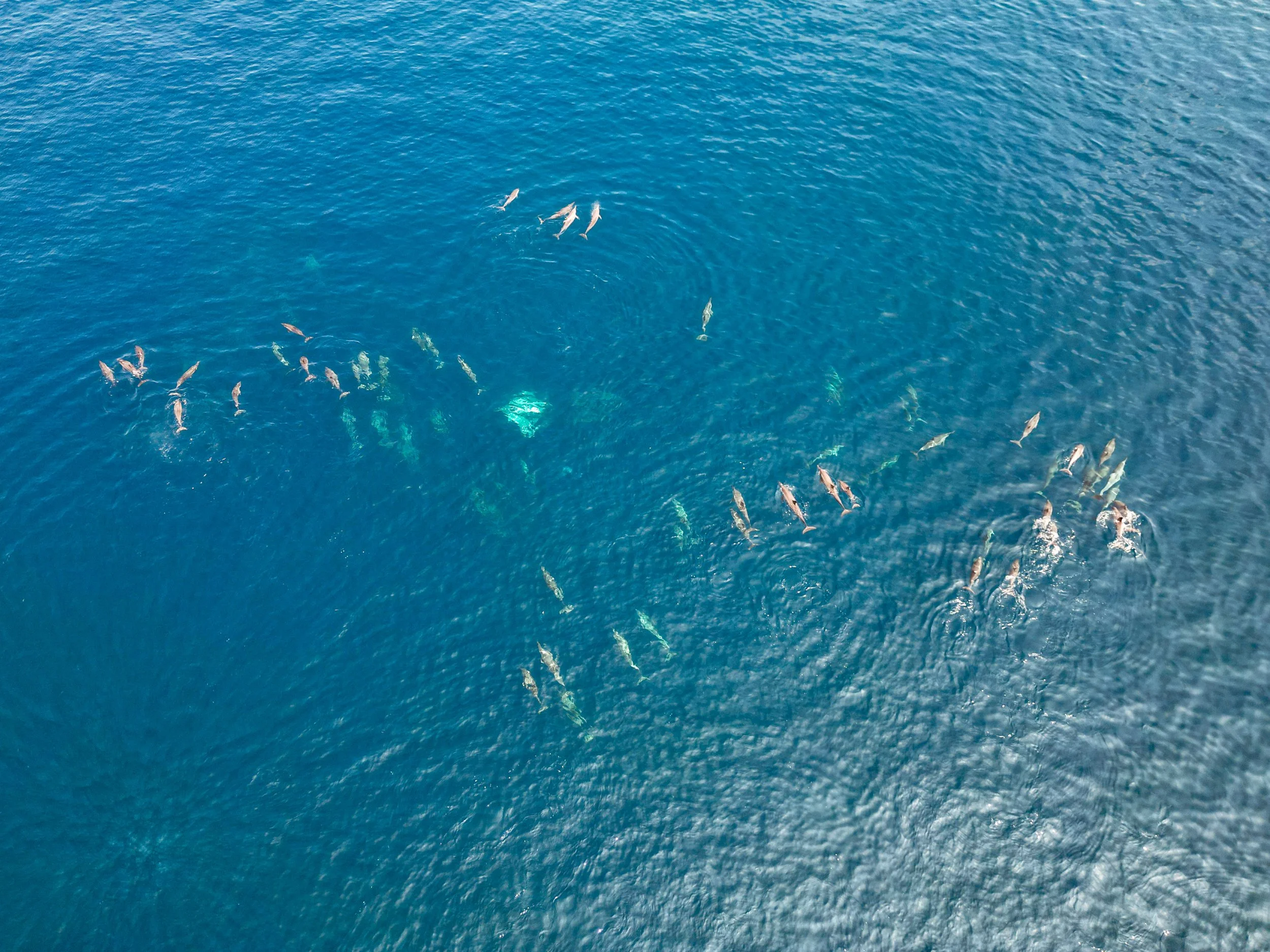
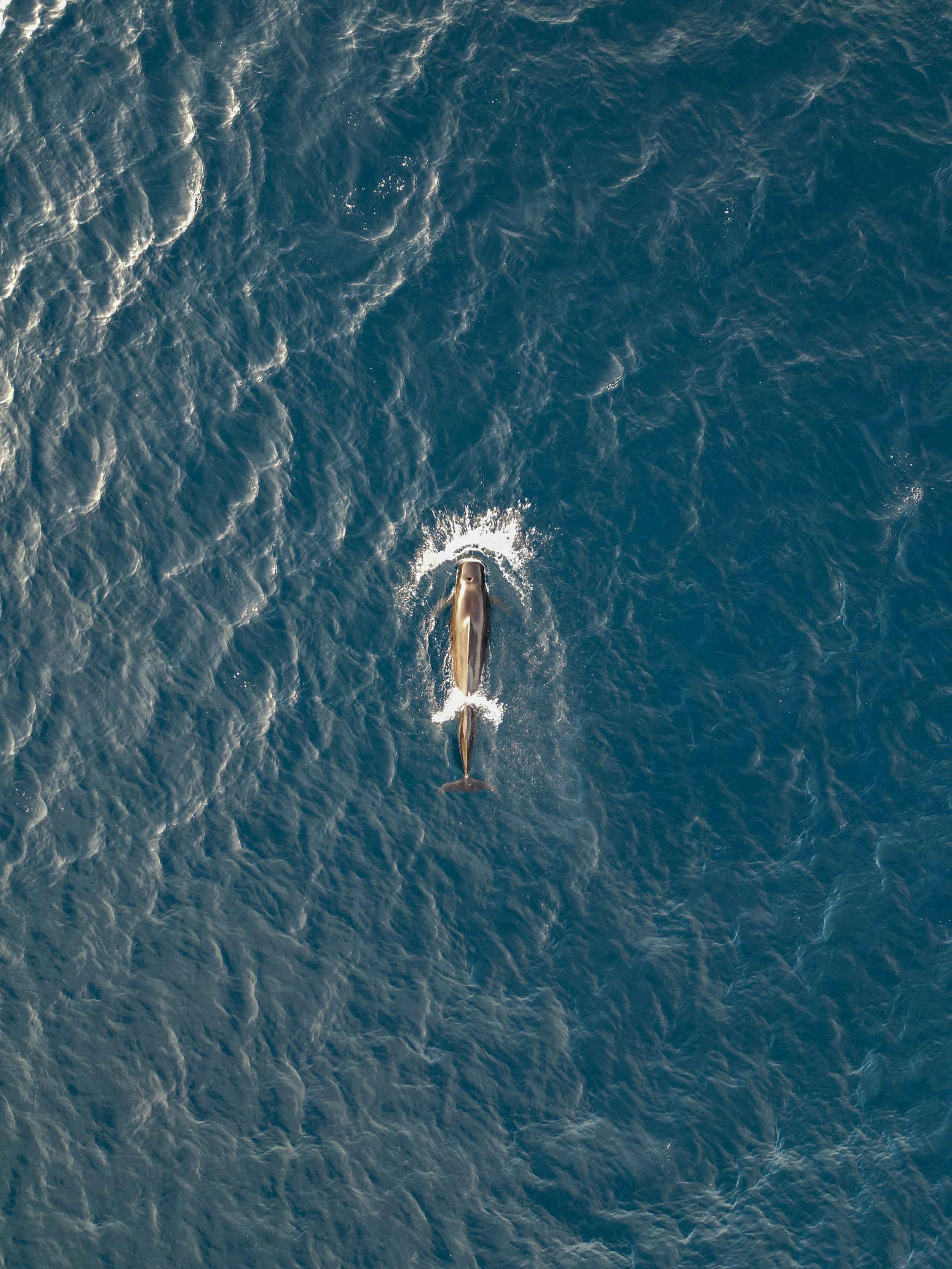
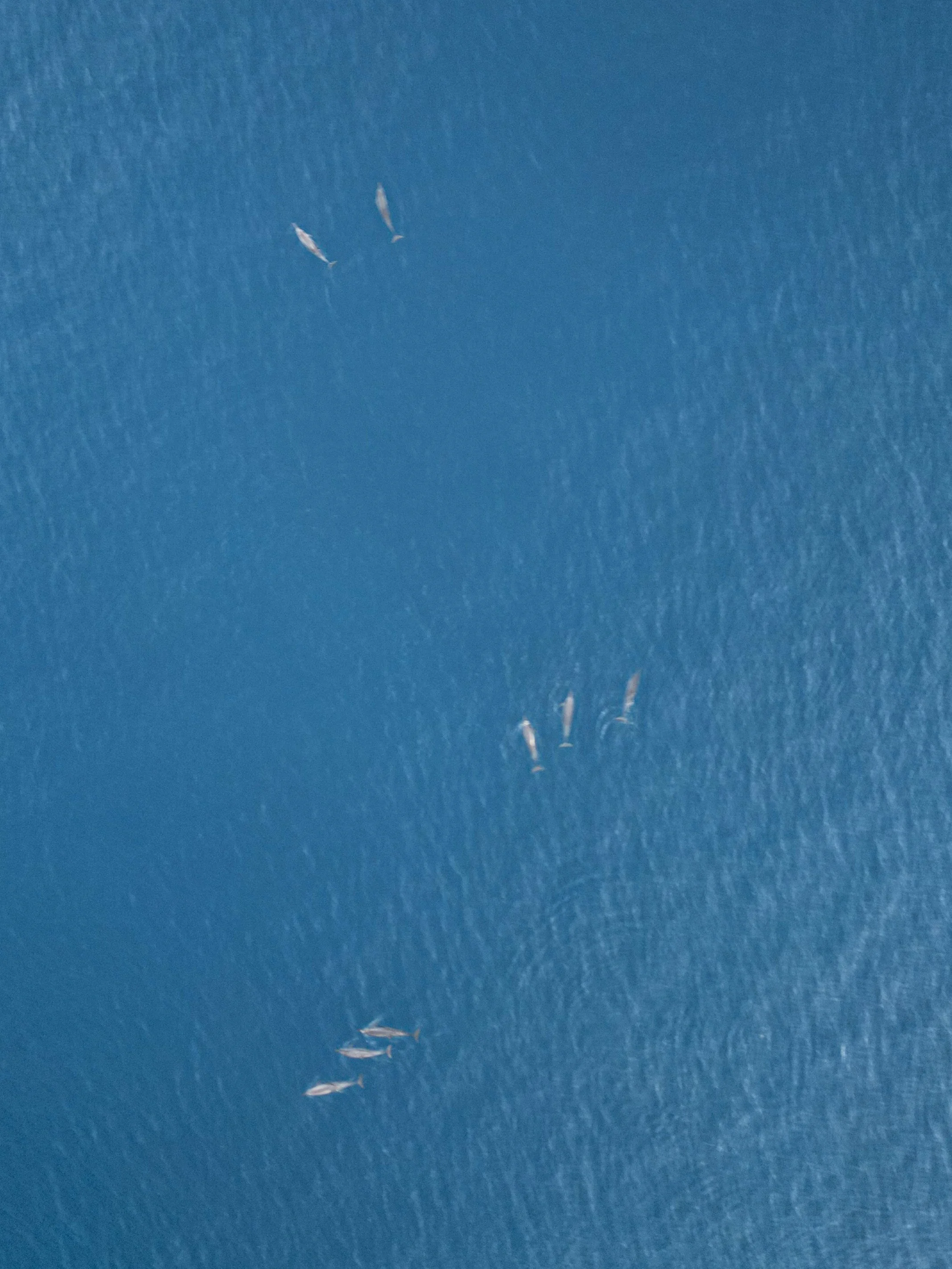
On another nearby reef, I loved flying my drone in the evenings to spot pilot whales, bottlenose dolphins, manta rays, and other marine life. It’s where the dolphin Cruises from both resorts would take the guests for a chance to see them.
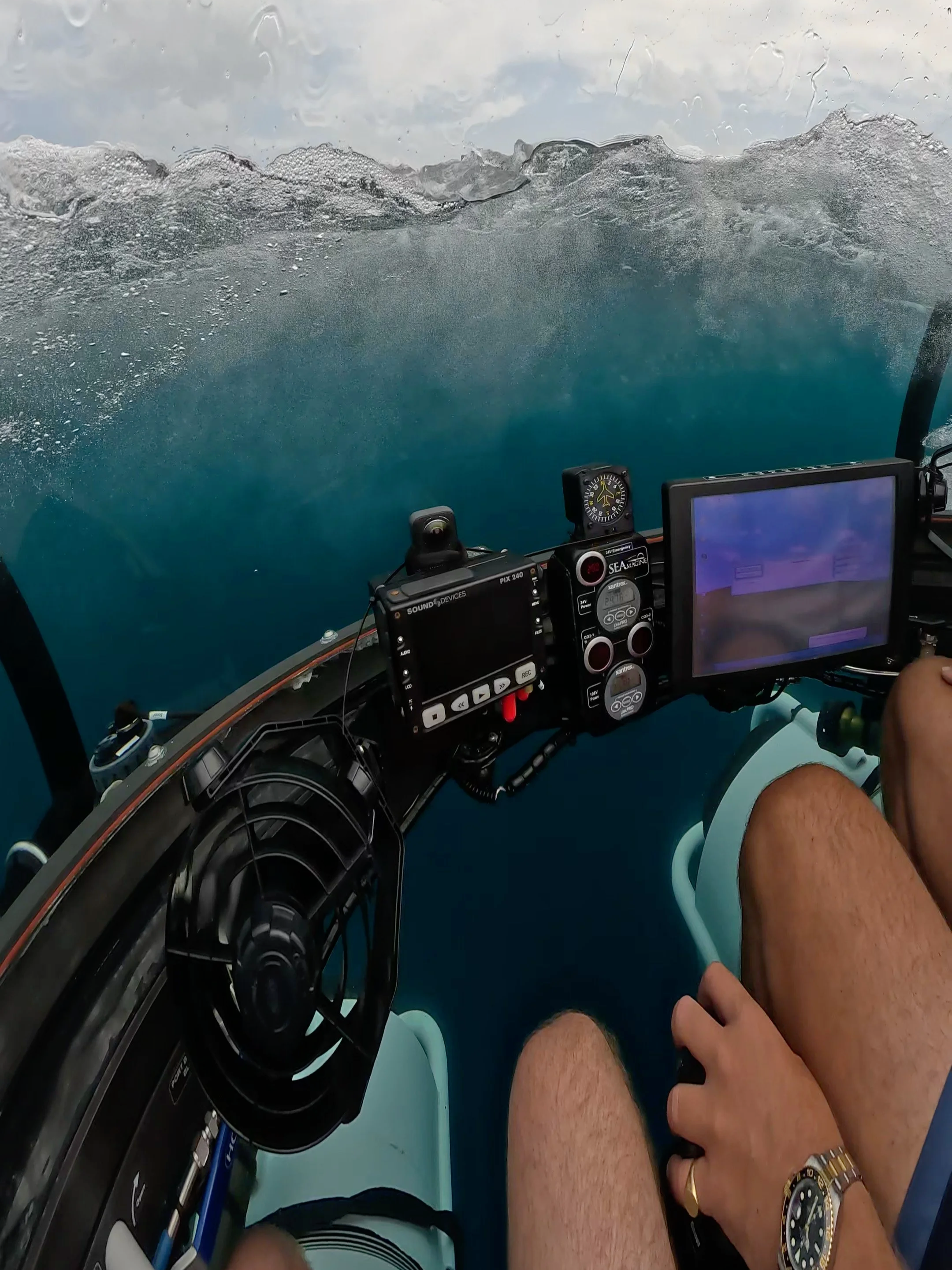
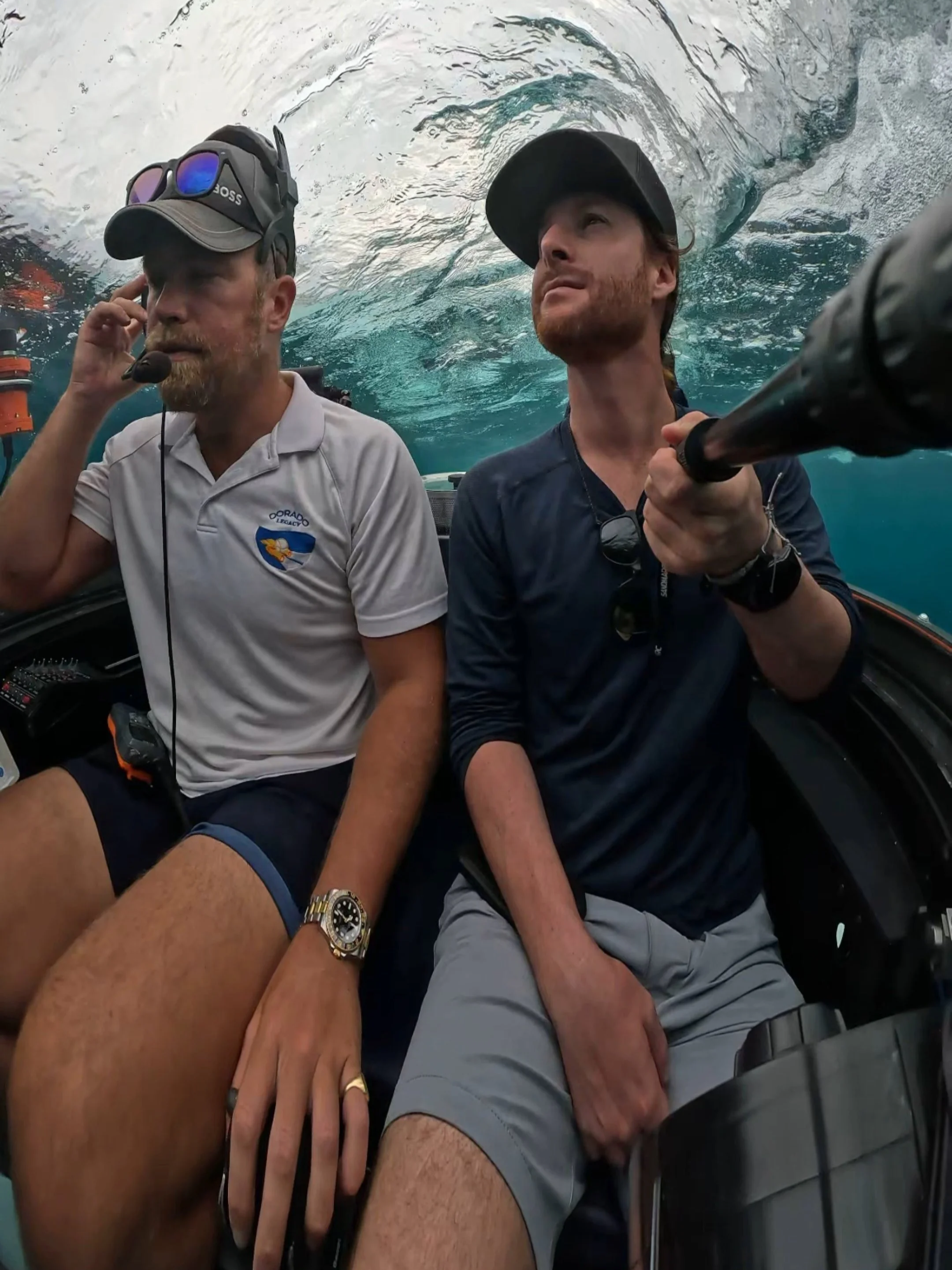
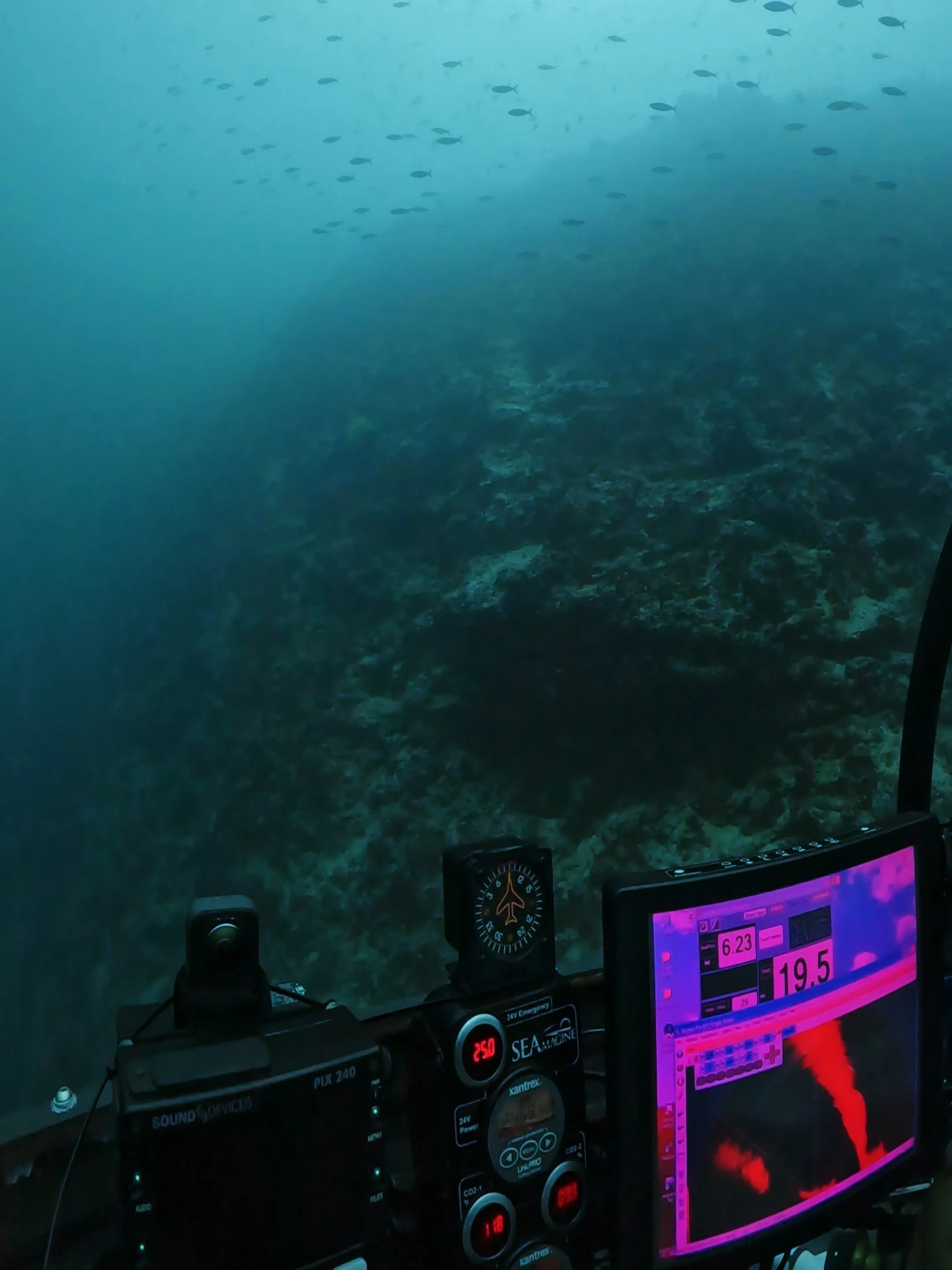
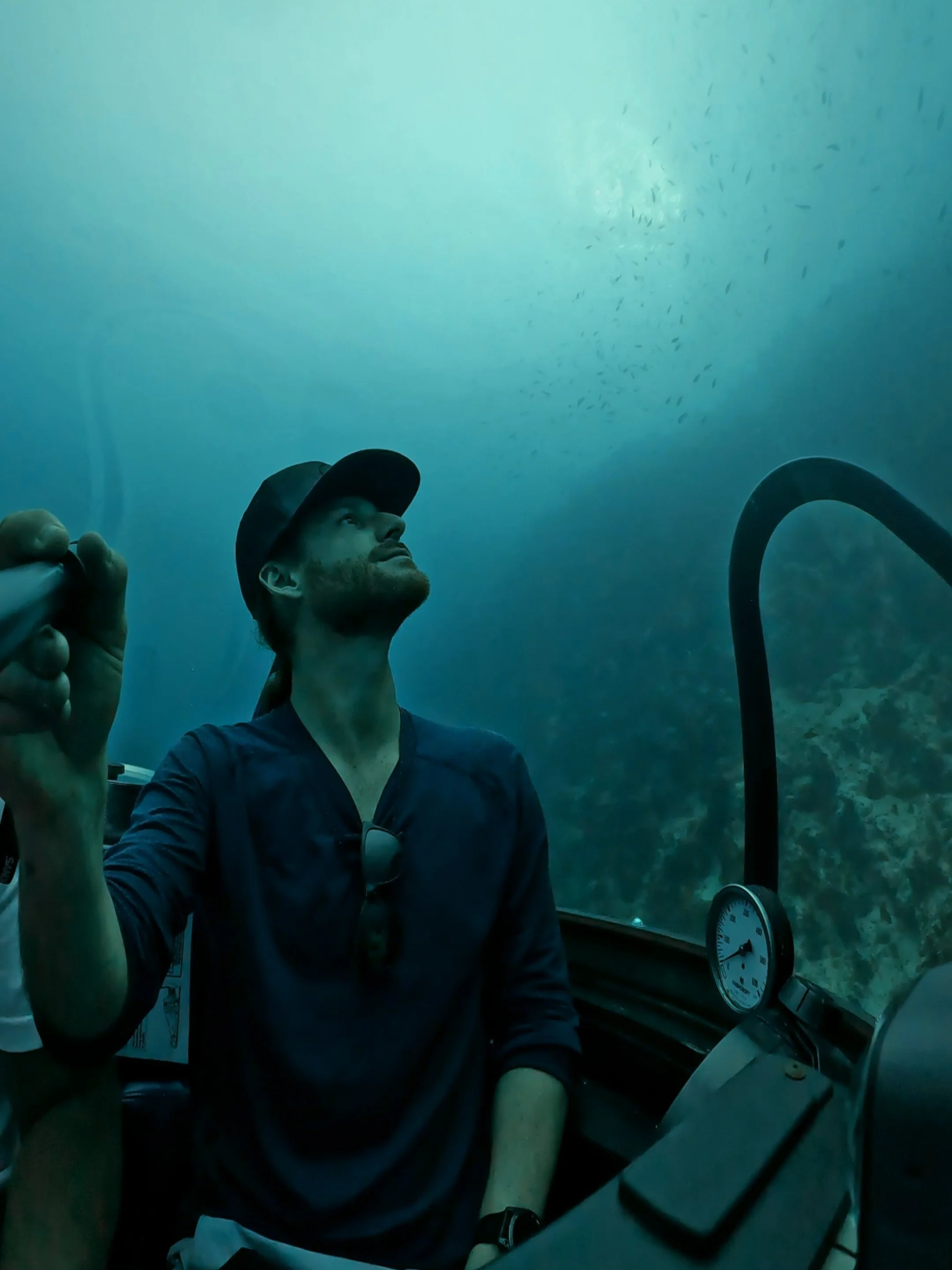
Another activity you can enjoy at Fair Island is taking a submersible to explore the underwater world if you are unable to scuba dive. Submarines provide a fantastic way to discover marine life, but they are quite rare on our planet. There are only about 600 submarines worldwide, with 200 of those being actual operational submarines rather than just tourist vessels. Out of the 200, only 20 are used for guest experiences, and one of those is located at Fair Island.
I had the opportunity to meet my friend Tom, the owner and one of the pilots, who came to set up the submarine for a guest experience at Fairwinds Sands. One of the most remarkable aspects of submarines is that marine wildlife tends to be less reactive to you compared to when you are scuba diving. This allows for closer encounters with animals. It’s similar to why safari animals respond differently when you are on foot versus when you are in a vehicle.
3. Dhigurah
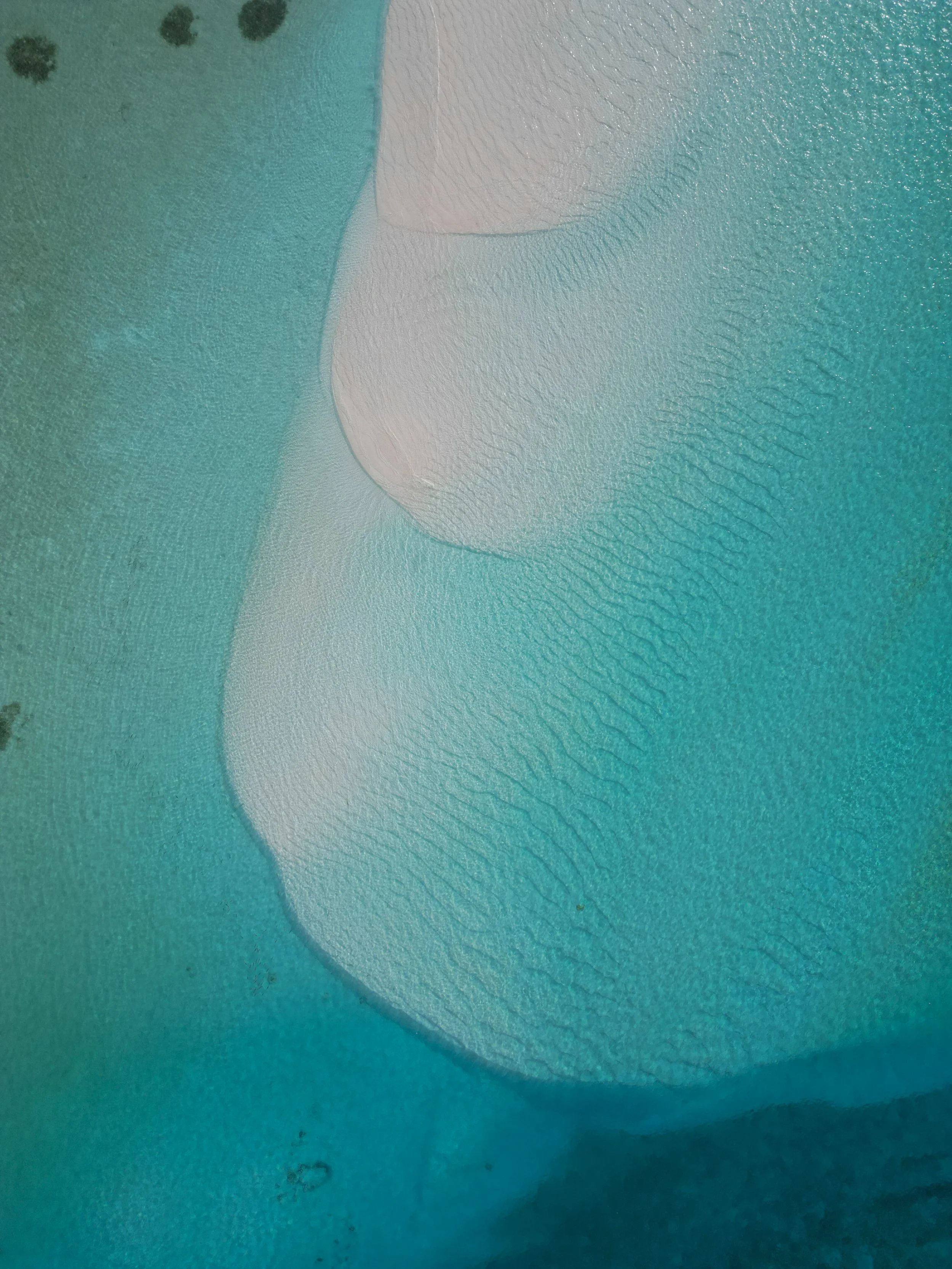
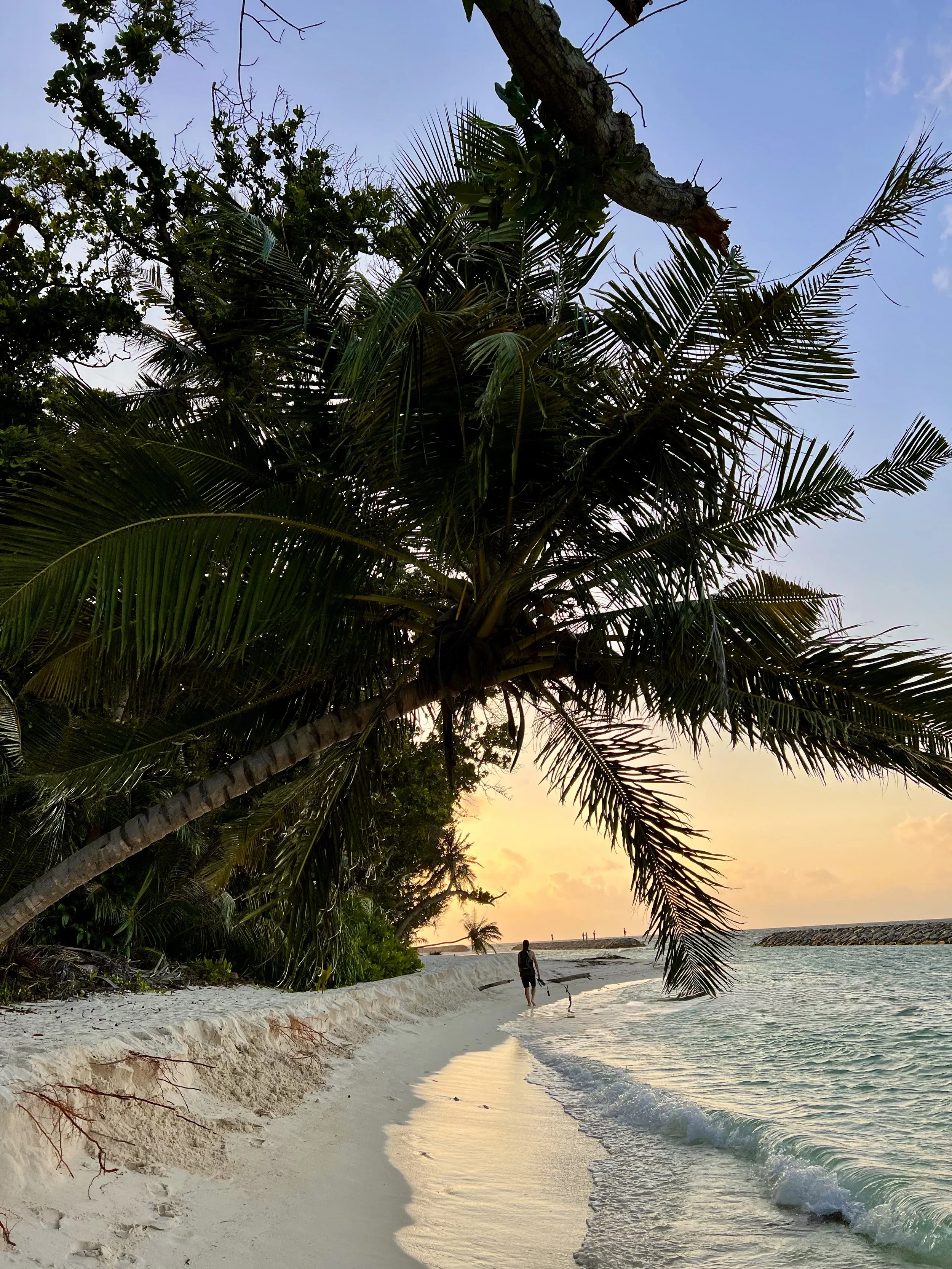
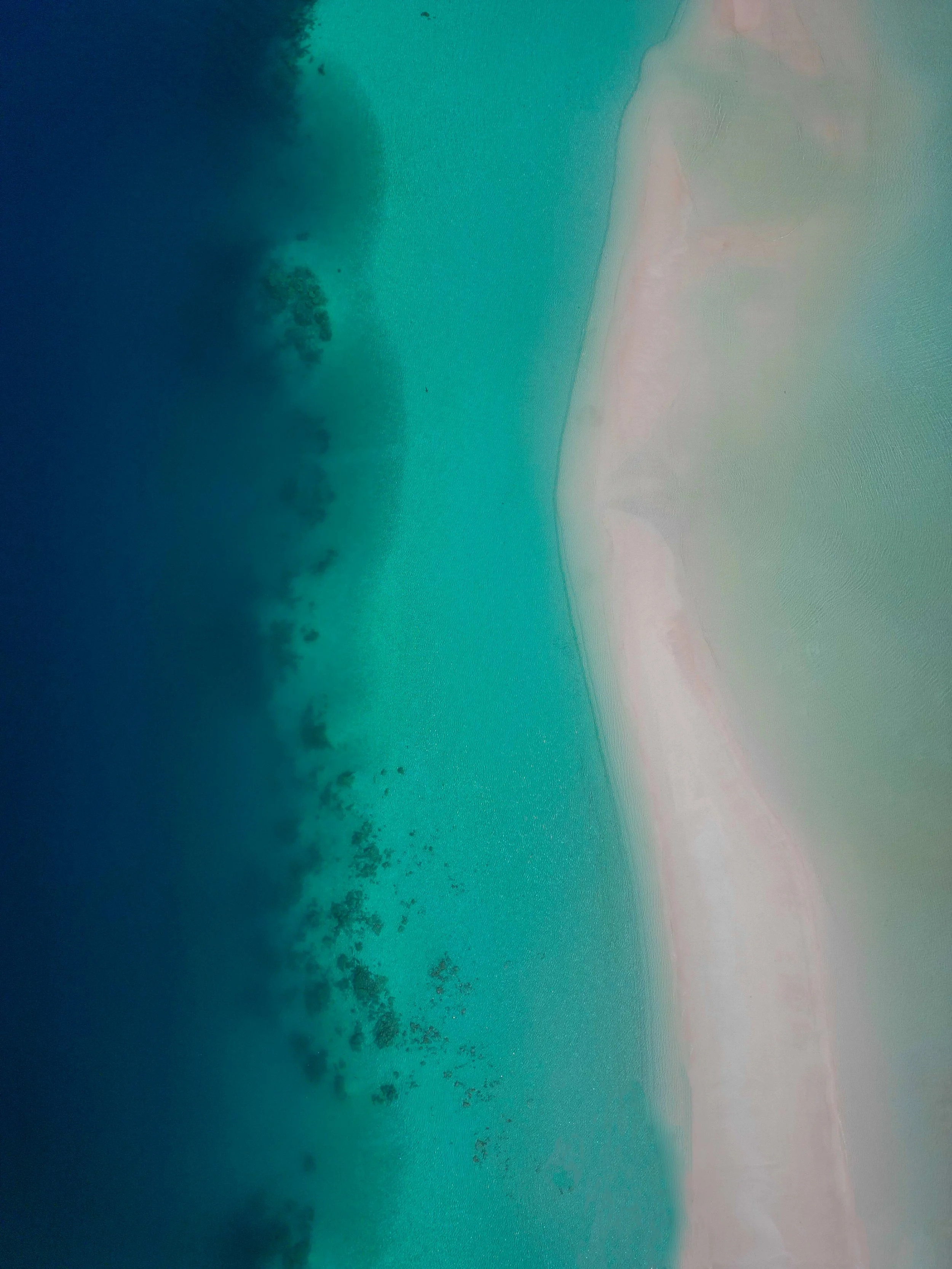
Located in South Ari Atoll, and one of the best islands, if you want to stay closer to Male, is Dhigurah. The name means Long Island, rightfully so, as the island is around 3km long. You can reach the island by speedboat in two hours or by plane in 25 minutes. Amazingly, mantas, whales, and sharks congregate in this part of the Maldives, so even near the shore, you can encounter these amazing pelagic species. The south end of the island is a long, gorgeous sandbank, and the village is located in the north, making it a pleasant walk to the south end through lush foliage that truly gives you the feeling of being on a remote tropical island in the middle of the Indian Ocean. The island offers guesthouses and excellent restaurants. While scuba diving is a highlight here, especially for macro enthusiasts, visitors can also enjoy various watersports, including jet skiing, paddleboarding, and wakeboarding.
4. Thinadhoo
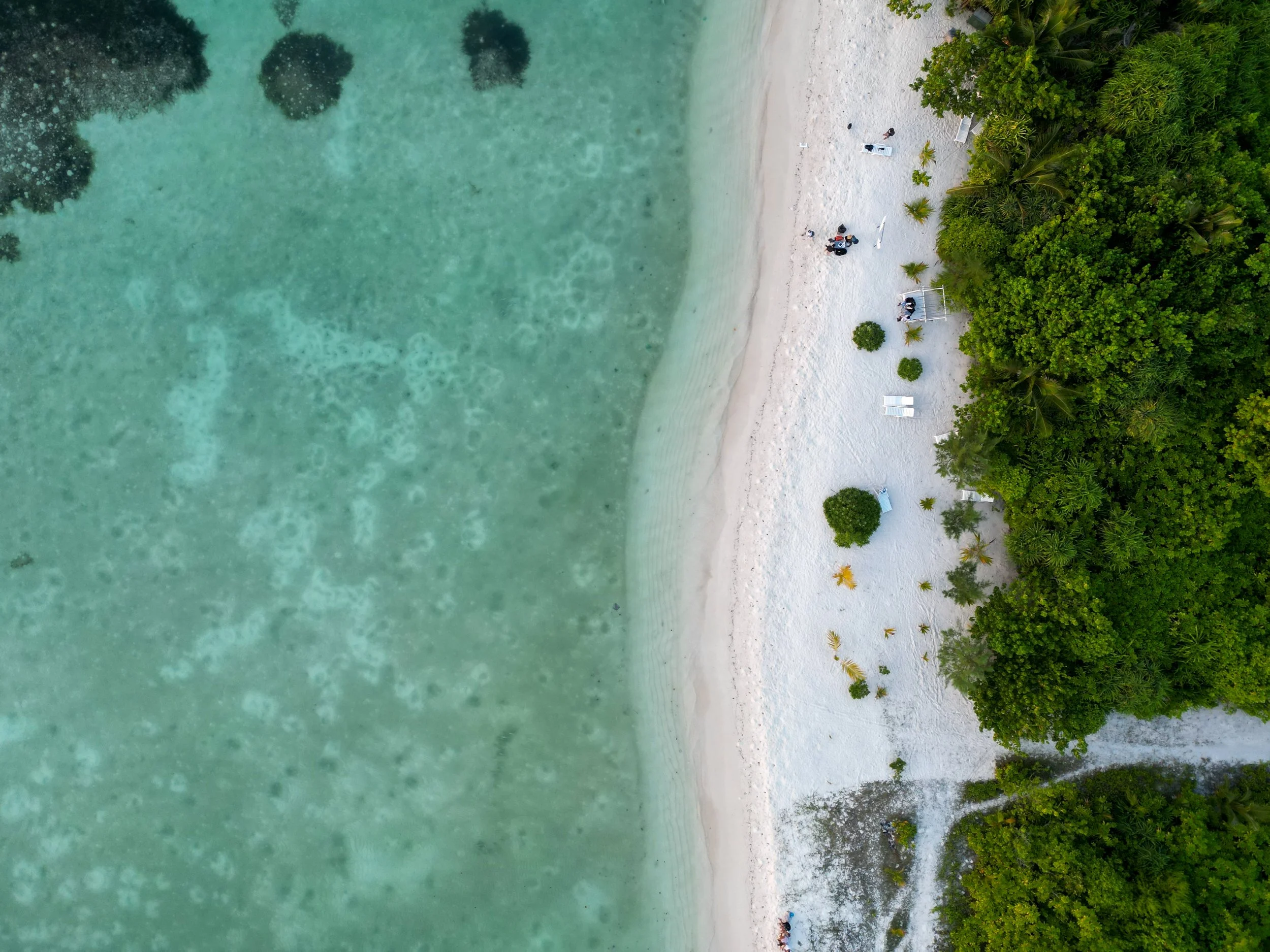
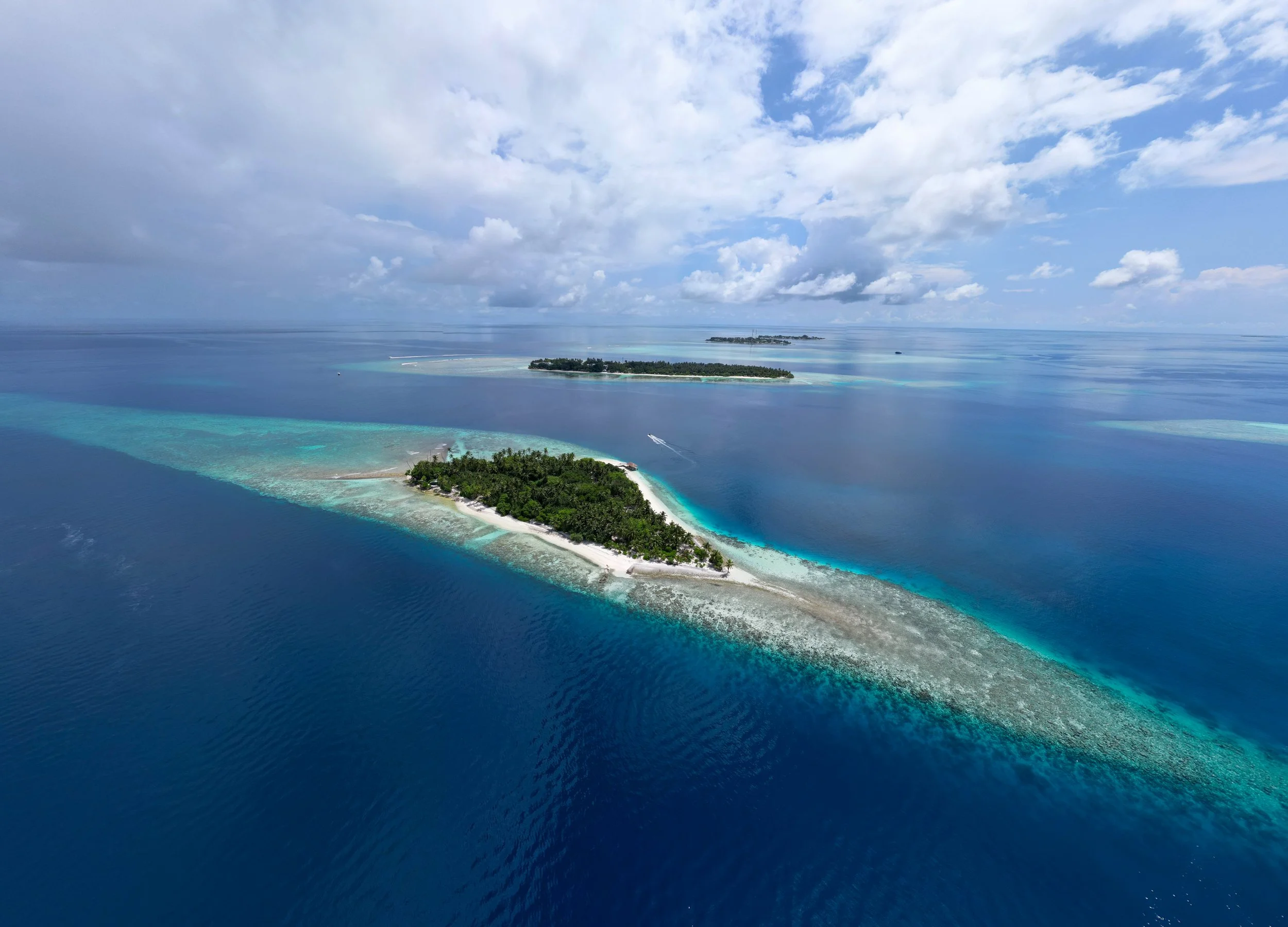
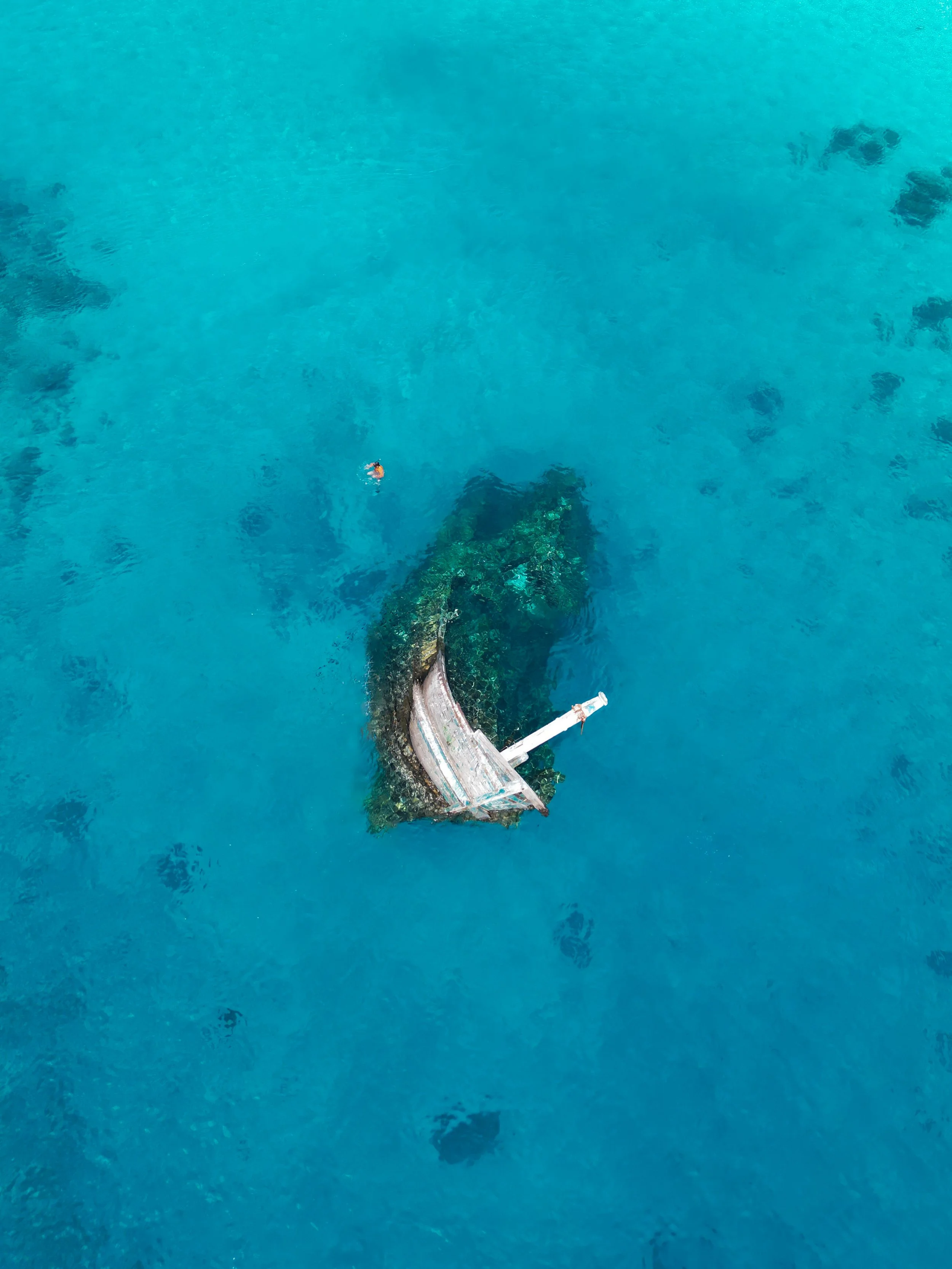
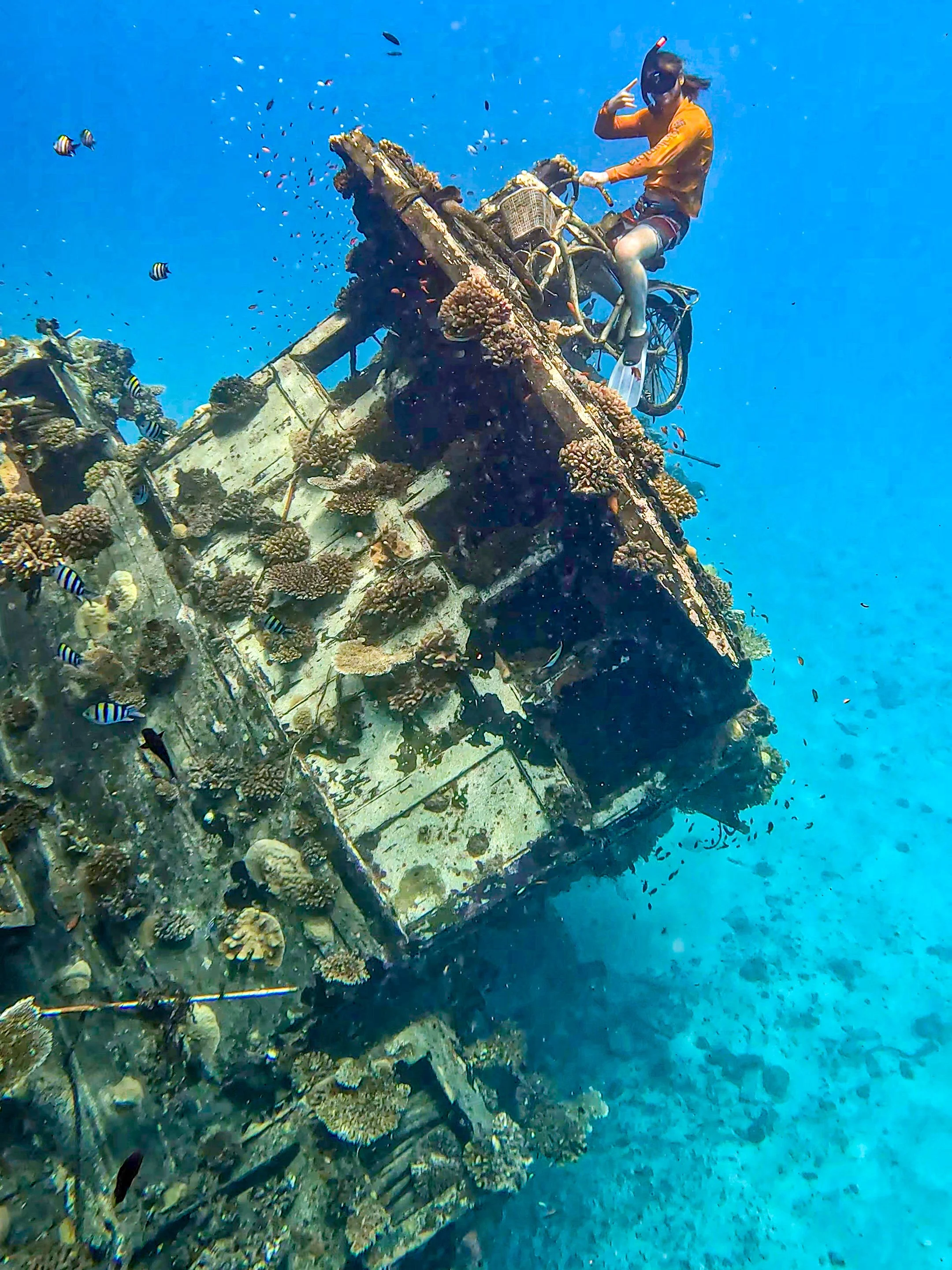
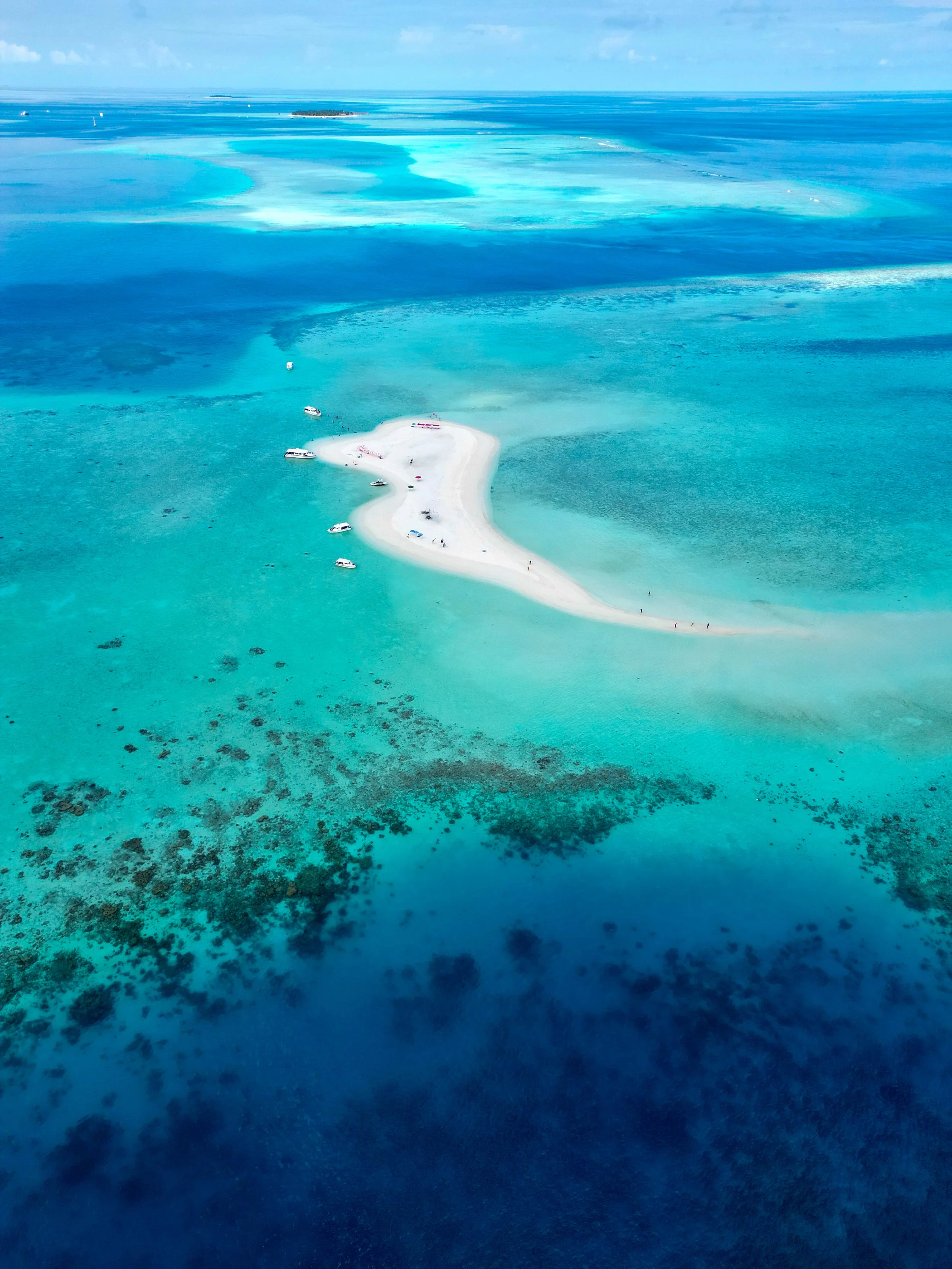
A very cool island in Vaavu Atoll is Thinadhoo. You can take a boat from Male, which takes about 90 minutes to reach the island. The diving here is great, but this is also where professional surfers congregate. The island is very picturesque. It is also close to a shipwreck, which provides a stunning backdrop for underwater and drone photography. An interesting aspect of the island is that the mayor partnered with an Italian company to construct all the guesthouses, resulting in a distinctly Italian style and atmosphere. Great snorkeling is accessible directly from the beach, and there are excursions available for exploring sandbanks, turtles, snorkeling, and dolphin watching.
5. Dharavnadhoo
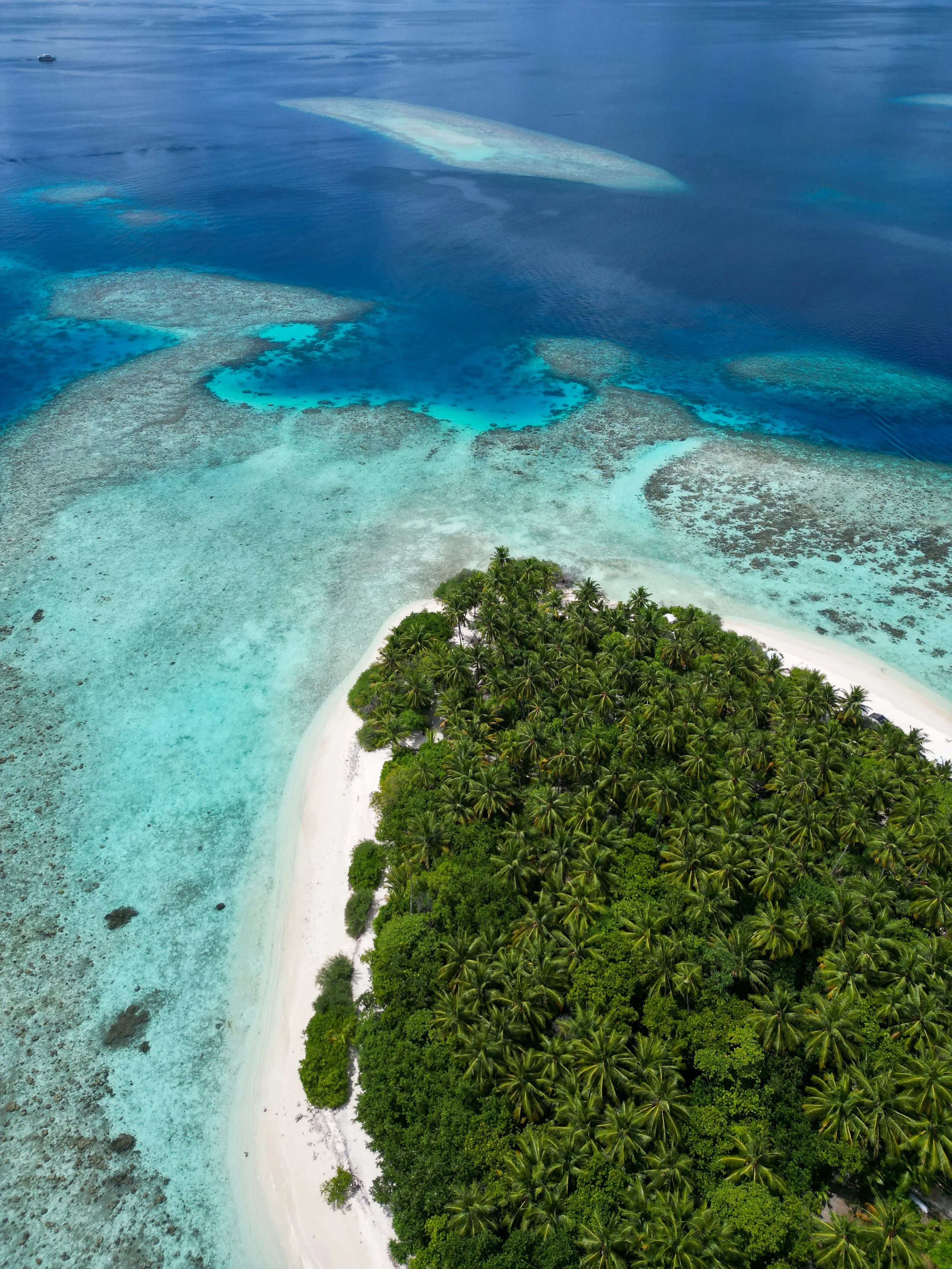
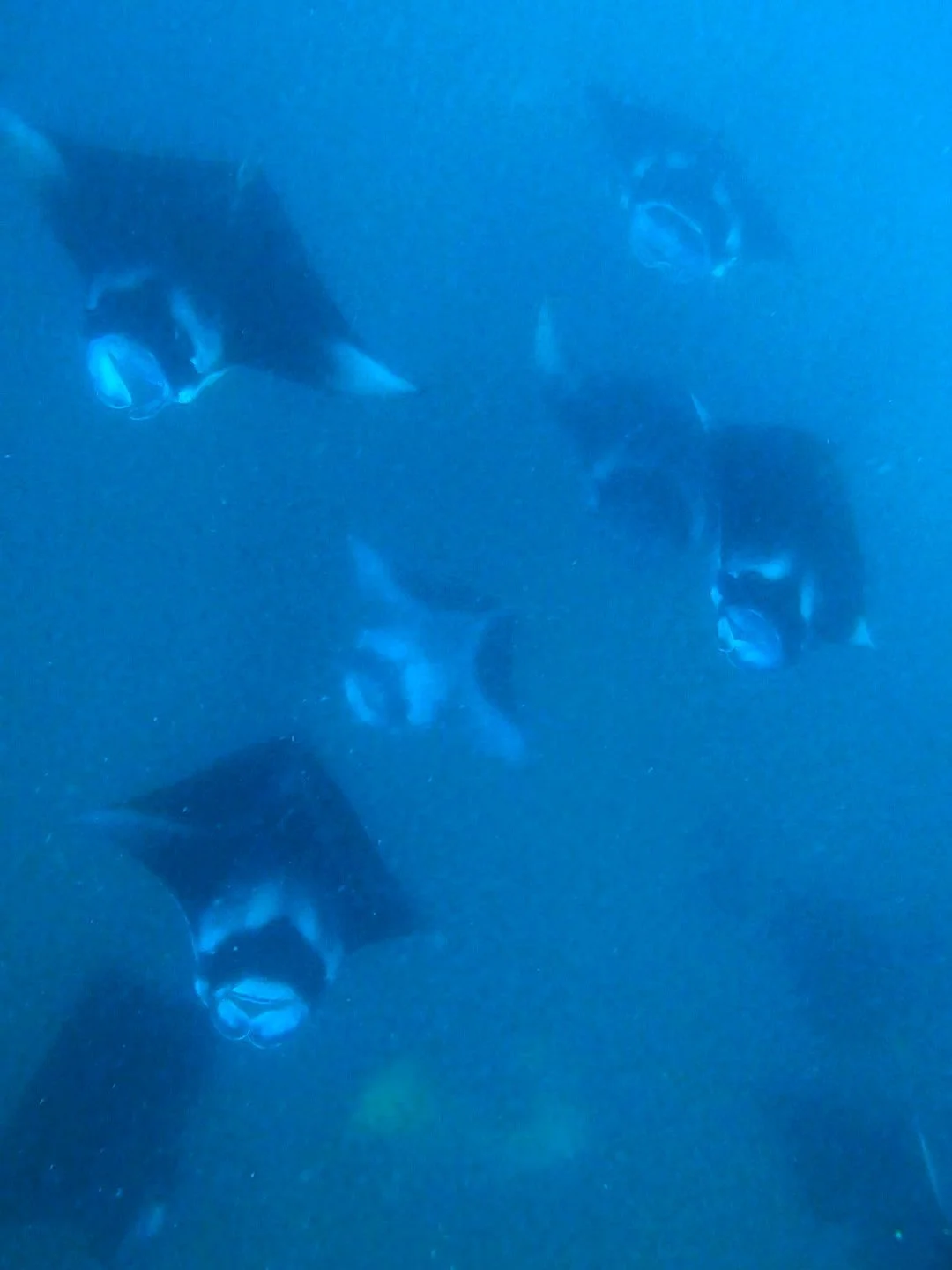
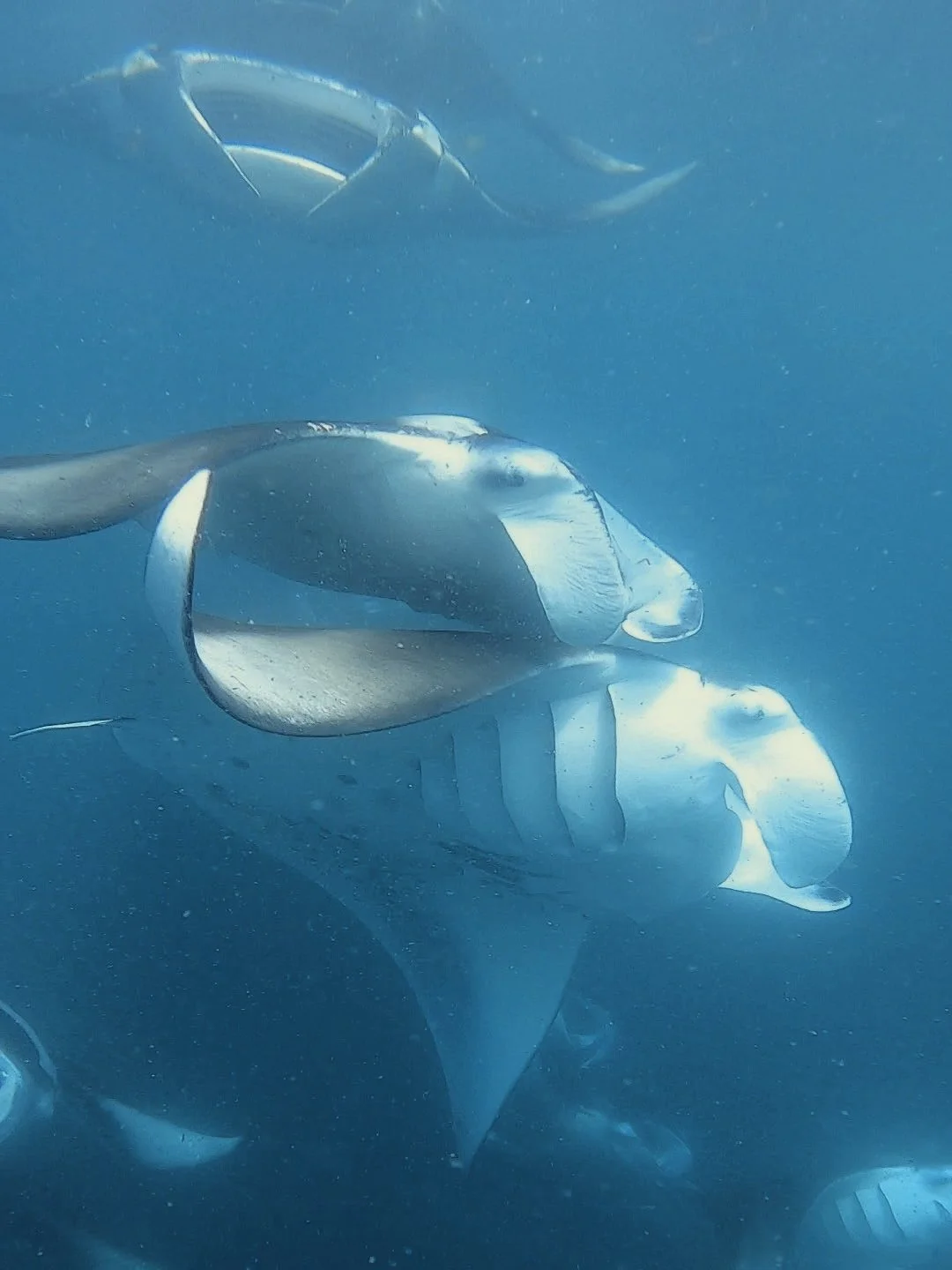
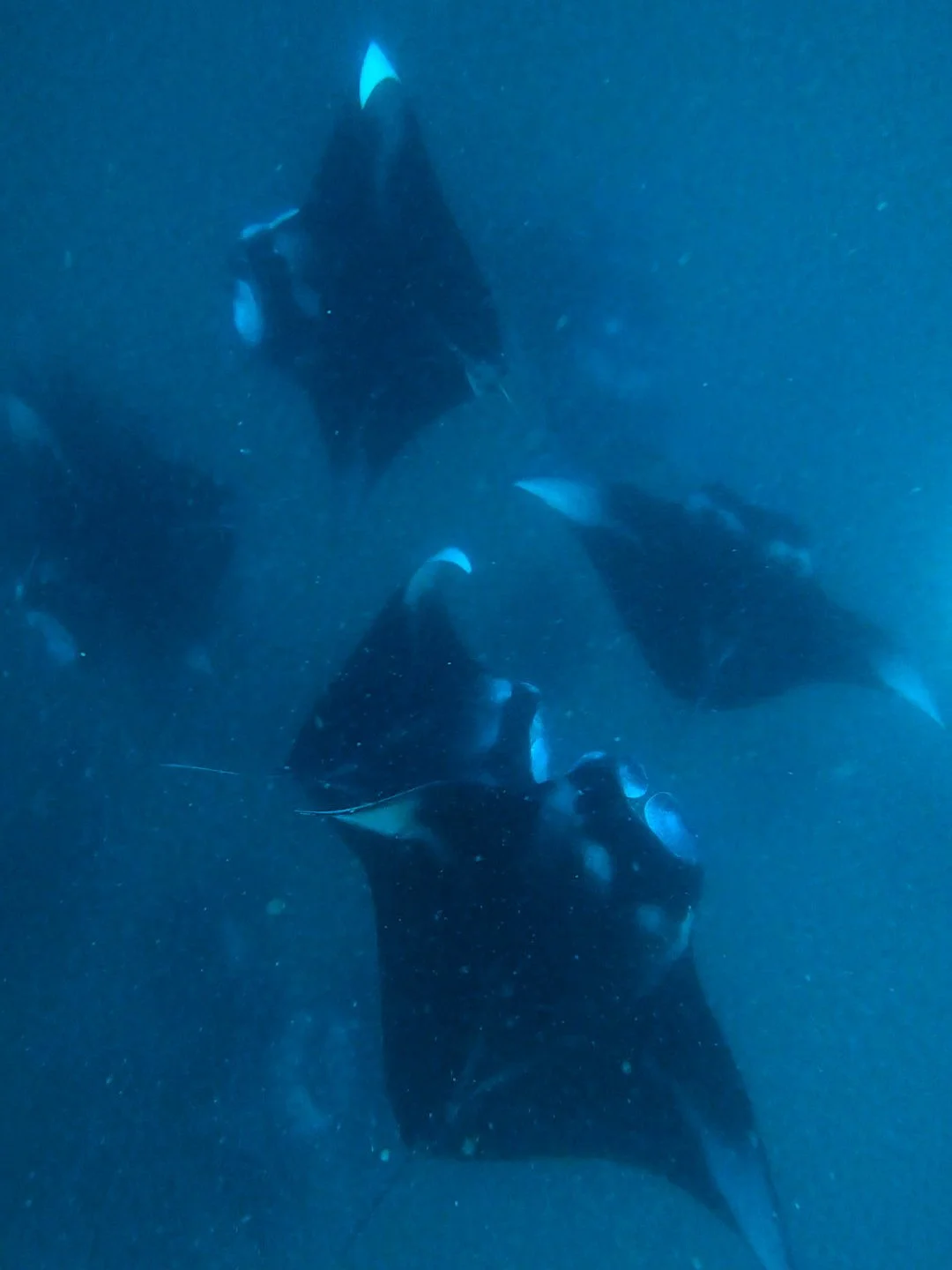
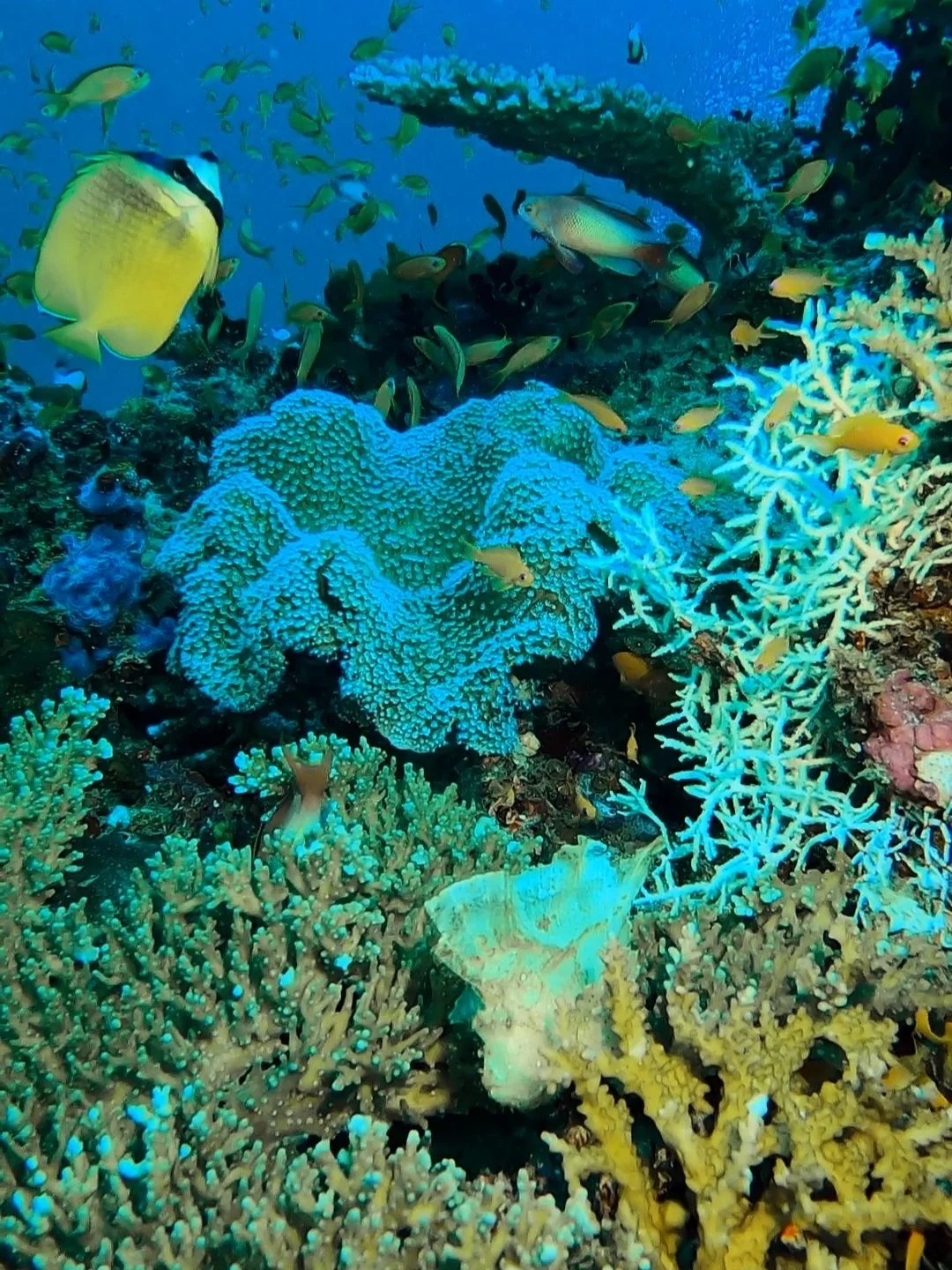
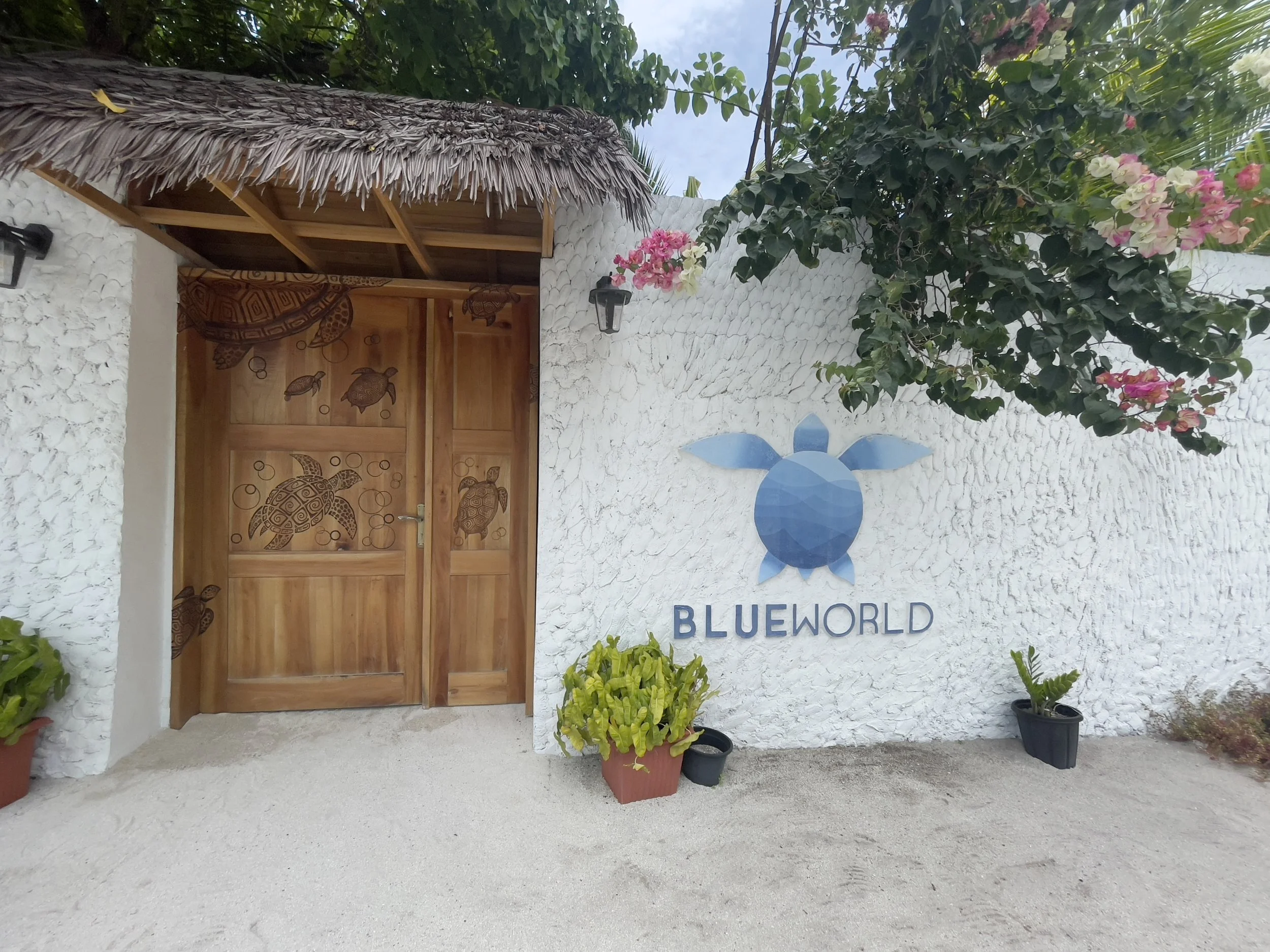
The first trip I took to the Maldives was to Baa Atoll, which is the location of one of the most famous places in the Maldives, Hanifaru Bay. This is a UNESCO World Heritage site because it boasts the largest congregation of manta rays in the world. The main island in this area, with the primary airport, is called Dharanvandhoo. It is a 40-minute flight from Hulumale. I went during October, which is the end of the manta season. It is essential to time it correctly because mantas tend to gather in greater numbers during the full and new moons. I stayed at a beautiful guest house called Blue World, which is operated by an amazing gentleman named Faisal. He showed us around and was our main man for going out to see the mantas and scuba sites.
Plan enough time here, as the mantas may not come every day. I chose to stay on the island for six days to give myself the highest chance of seeing them. When I was there, the mantas would move into the bay around midday, allowing us to dive in the morning. There are excellent dive sites here, featuring abundant macro life. My favorite dive site was at a Thila site called Bodugaa. You start your dive at the bottom, around 30 meters, and then swim continuously around the Thila until you reach the surface, approximately 12 meters above. The macro life along the way was amazing. On occasion, you see mantas coming into the cleaning station at the top. When you are not diving, you are waiting for a call from one of the rangers, who will let everyone know when the mantas are moving into the bay. Sometimes, we would be halfway through lunch, get the call, and rush because the mantas could only be there for 30 minutes. The first time, there were around 70 of them all swirling as I dove down and took photos. The second encounter was spectacular, with around 100 mantas, all swirling around me as if I were in a manta hurricane.
6. Maafushi
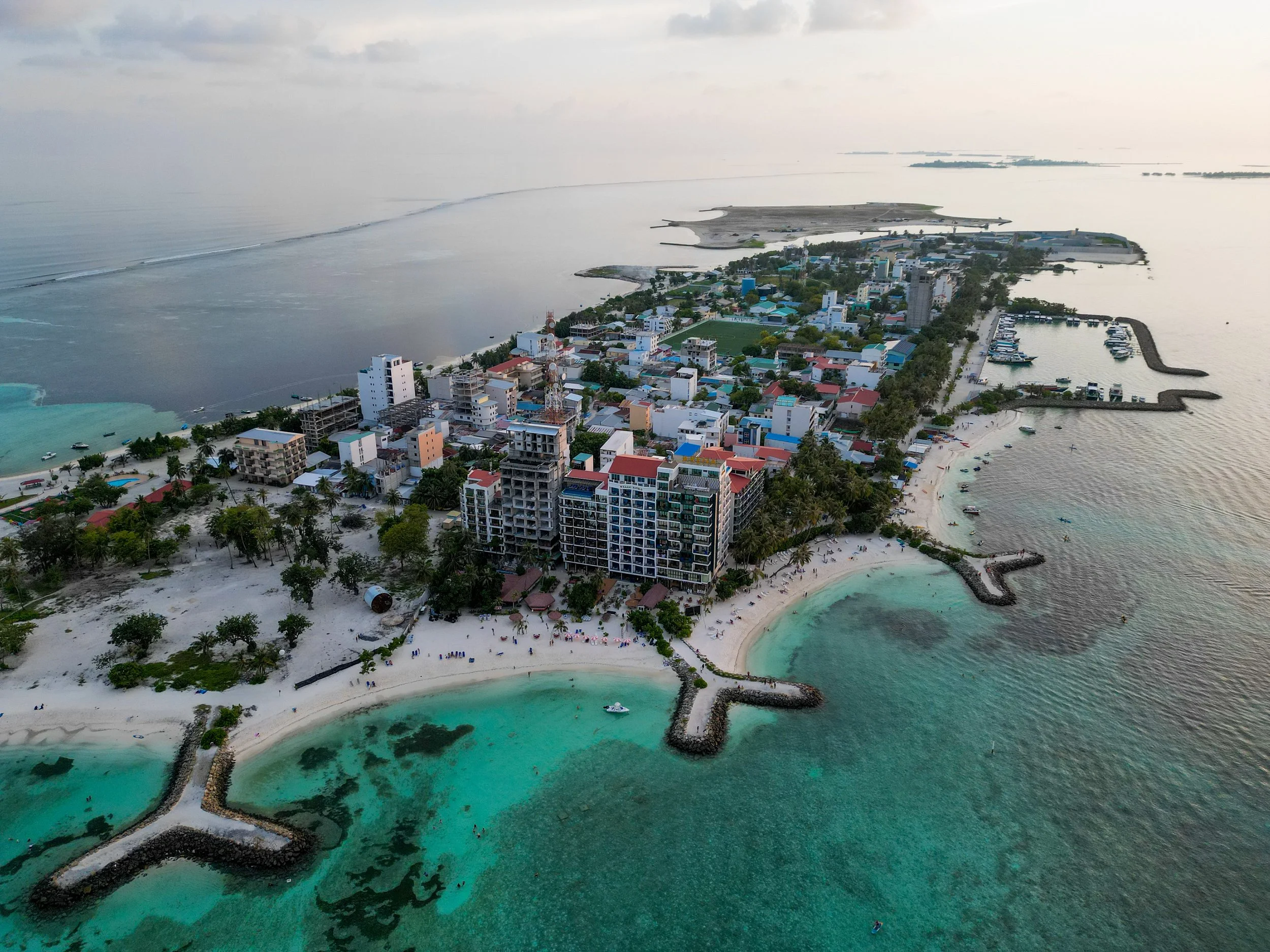
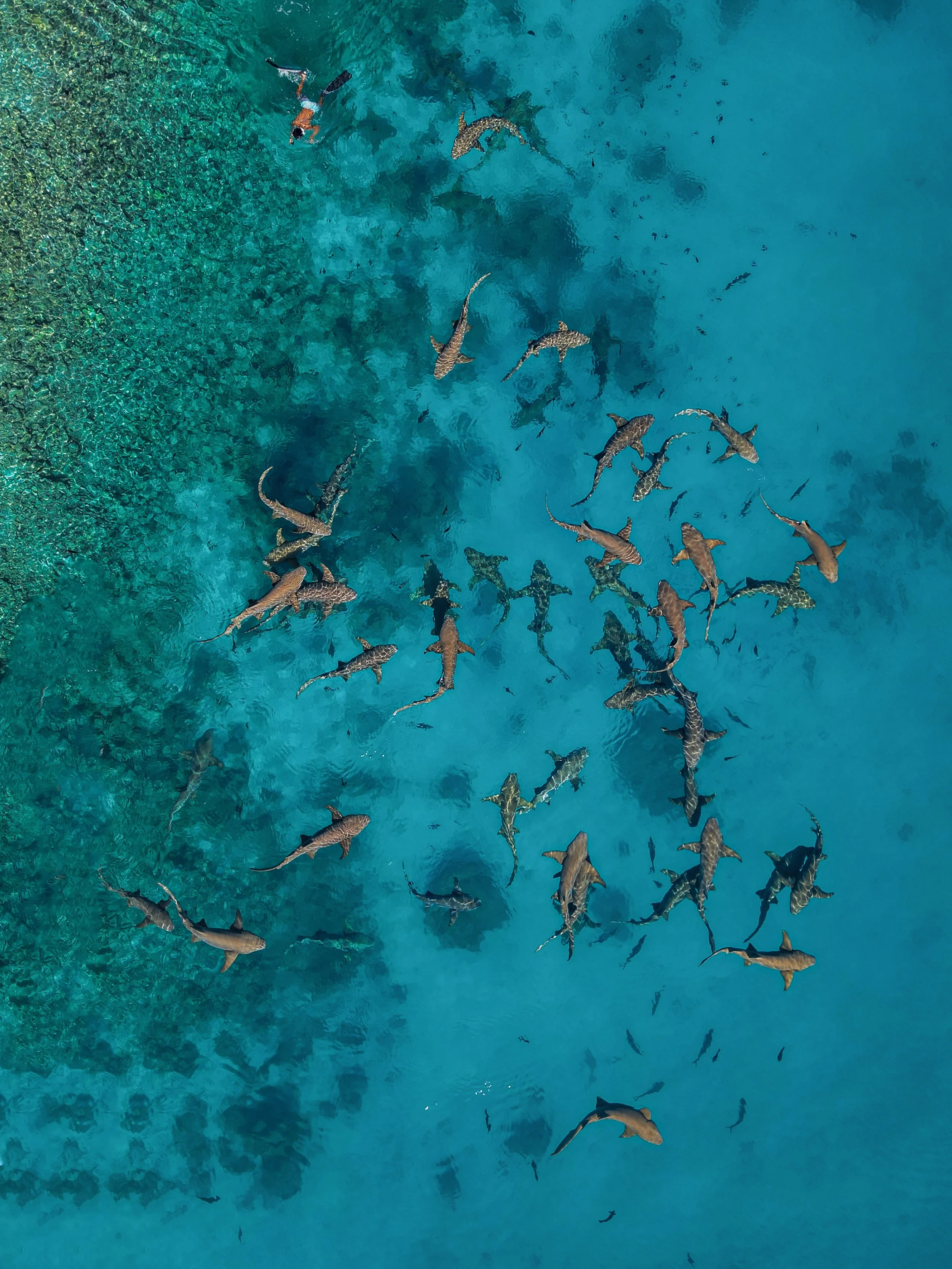
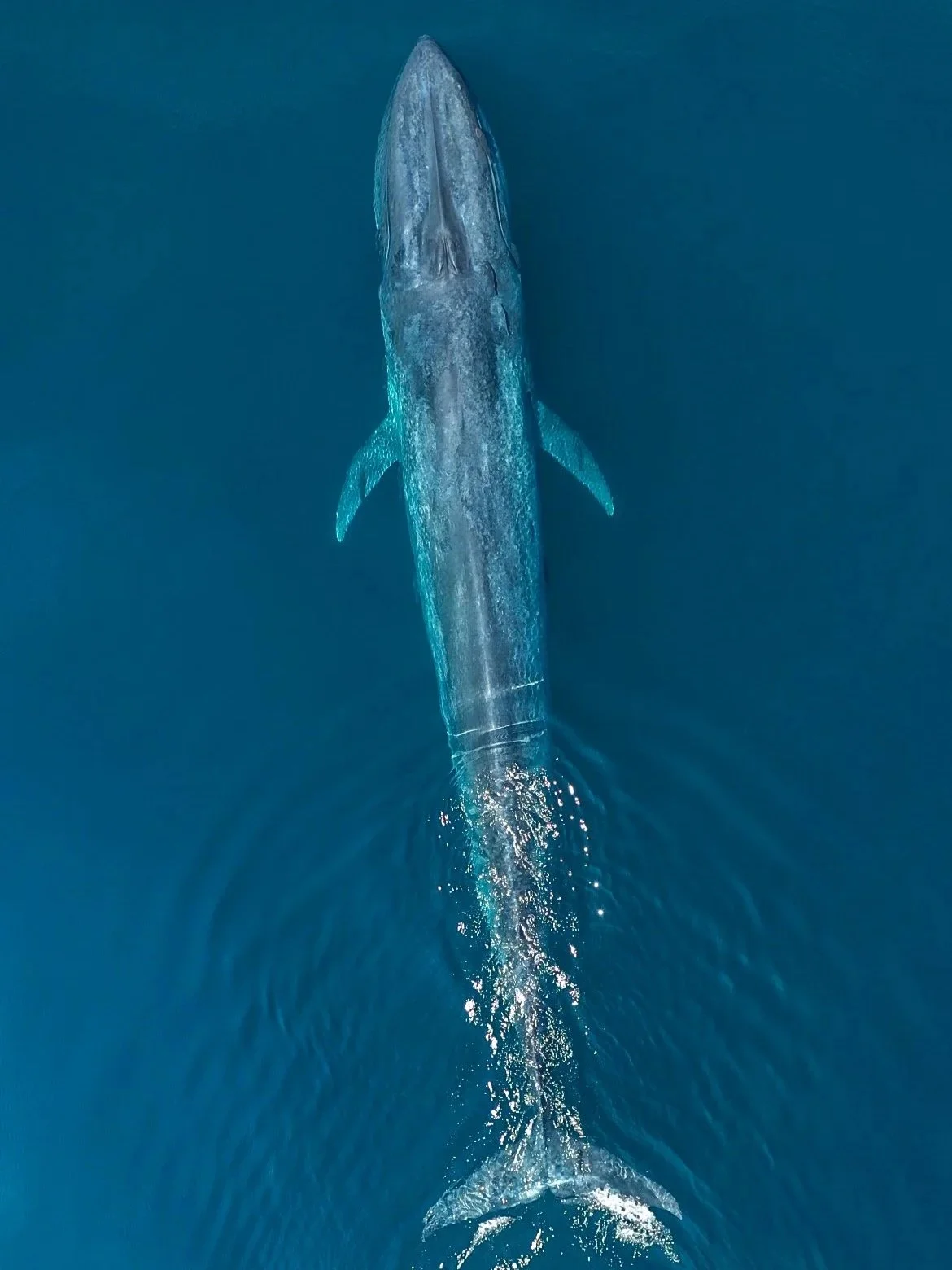
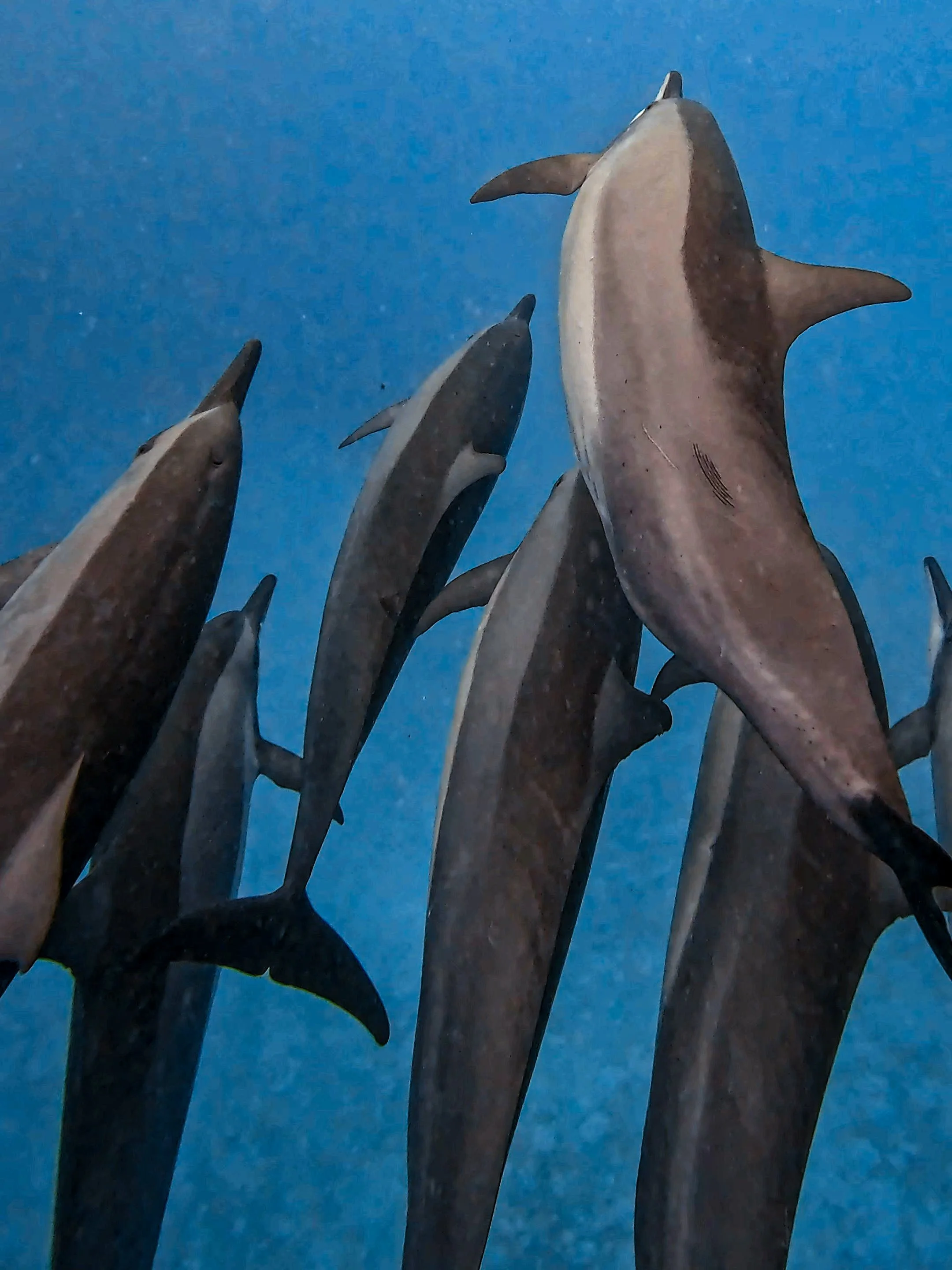
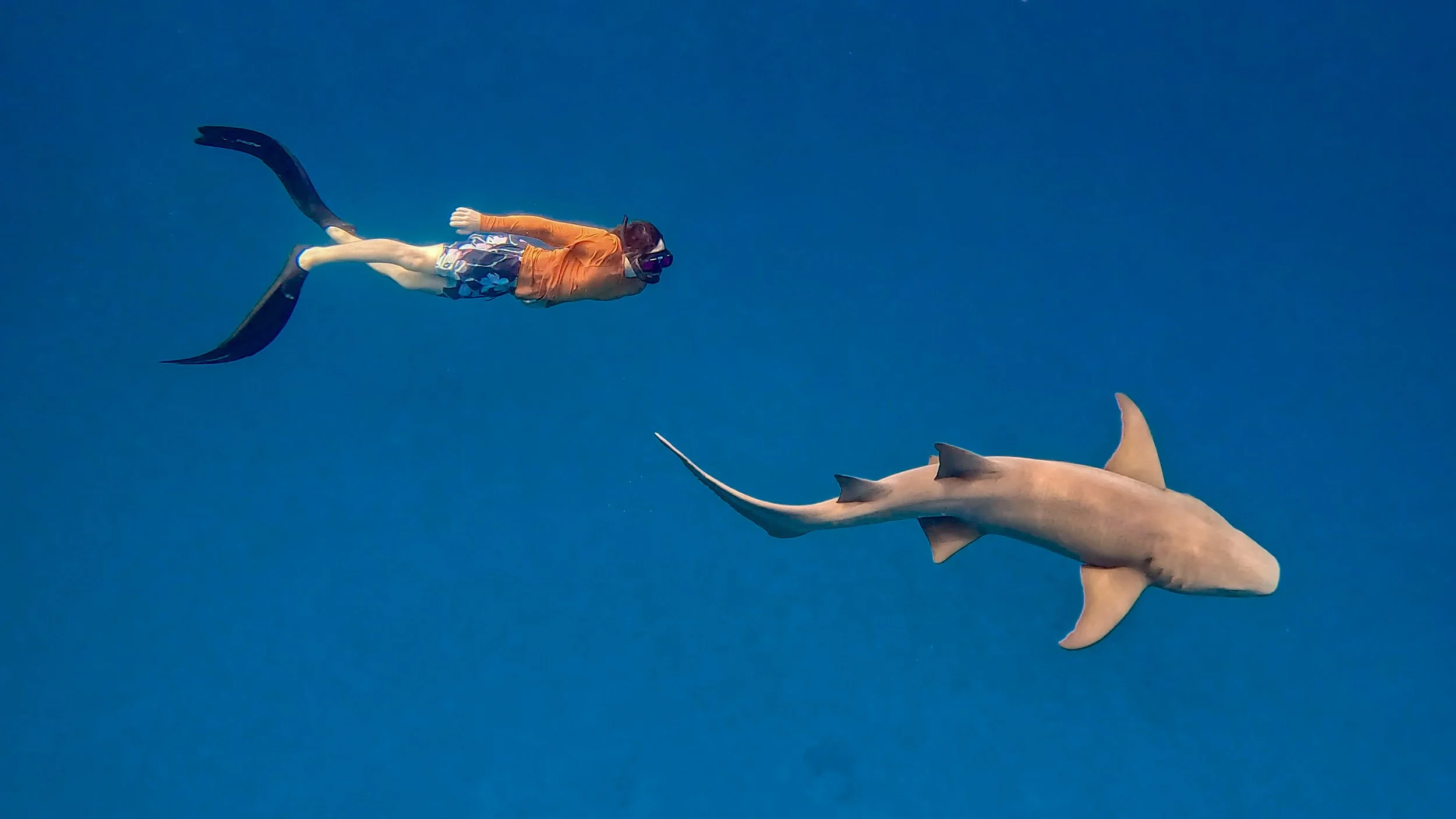
Maafushi is not as beautiful as most Maldivian islands, but it is very functional for travelers arriving in the Maldives for the first time. It offers a broad selection of day trips and is affordable. Multiple speed boats take you back and forth from the island to Male or the airport in about 35 minutes. Maafushi is in the South Male Atoll. The island boasts a great guesthouse and was the first in the country to attract tourists to visit the local islands, rather than just the resorts. I chose the higher-end tour operator, Shadowpalm, to avoid traveling with first-time tourists. A typical day trip here involves a visit to see nurse sharks, but I am not a fan, as these spots are overrun with tourists and everyone is feeding the sharks, which is detrimental to the sharks’ health. After that, you visit Dolphin Cove, where dolphins hang out in the shallows. On my first trip, I had the extraordinary experience of seeing a blue whale in the atoll.
7. Thulsudhoo
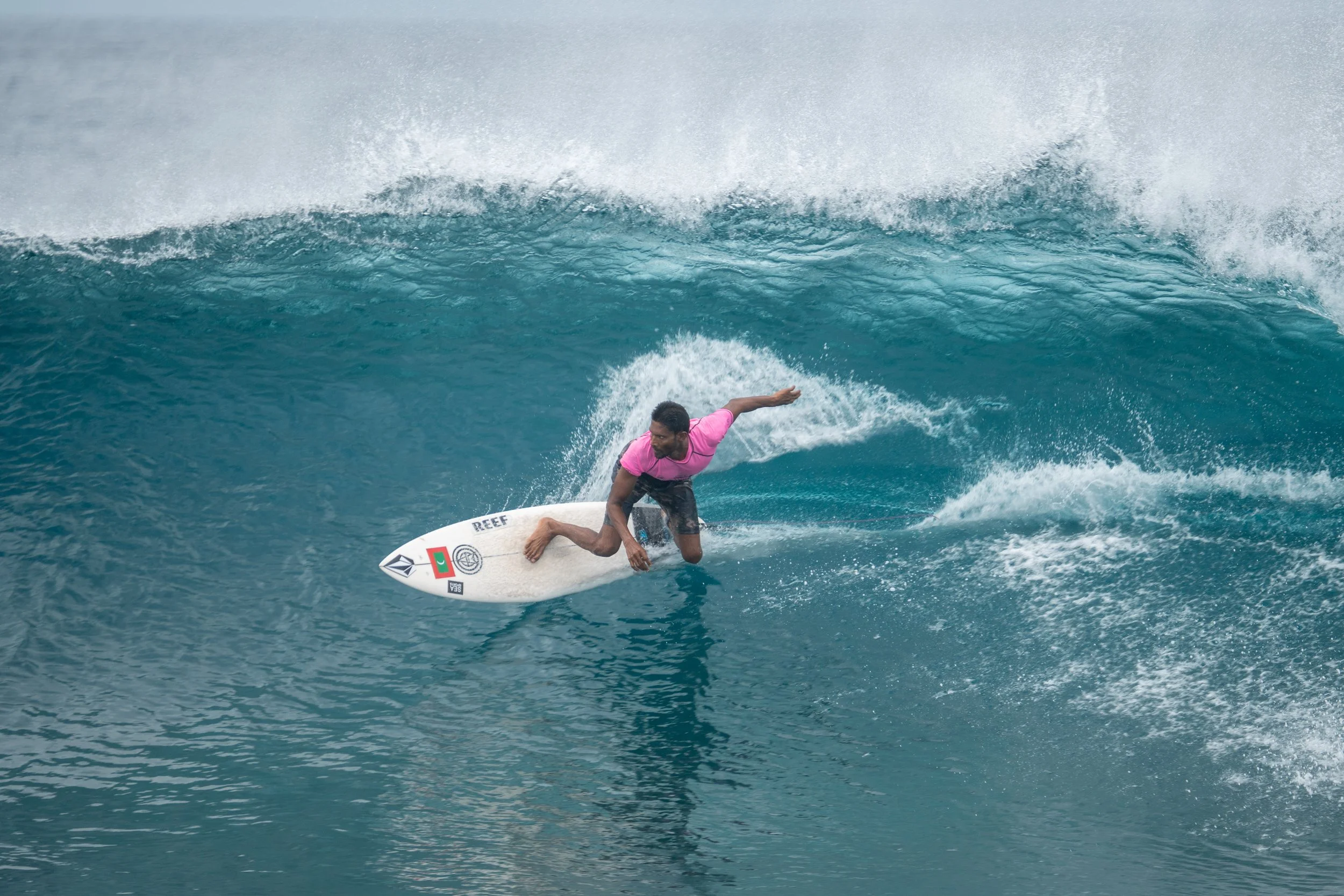
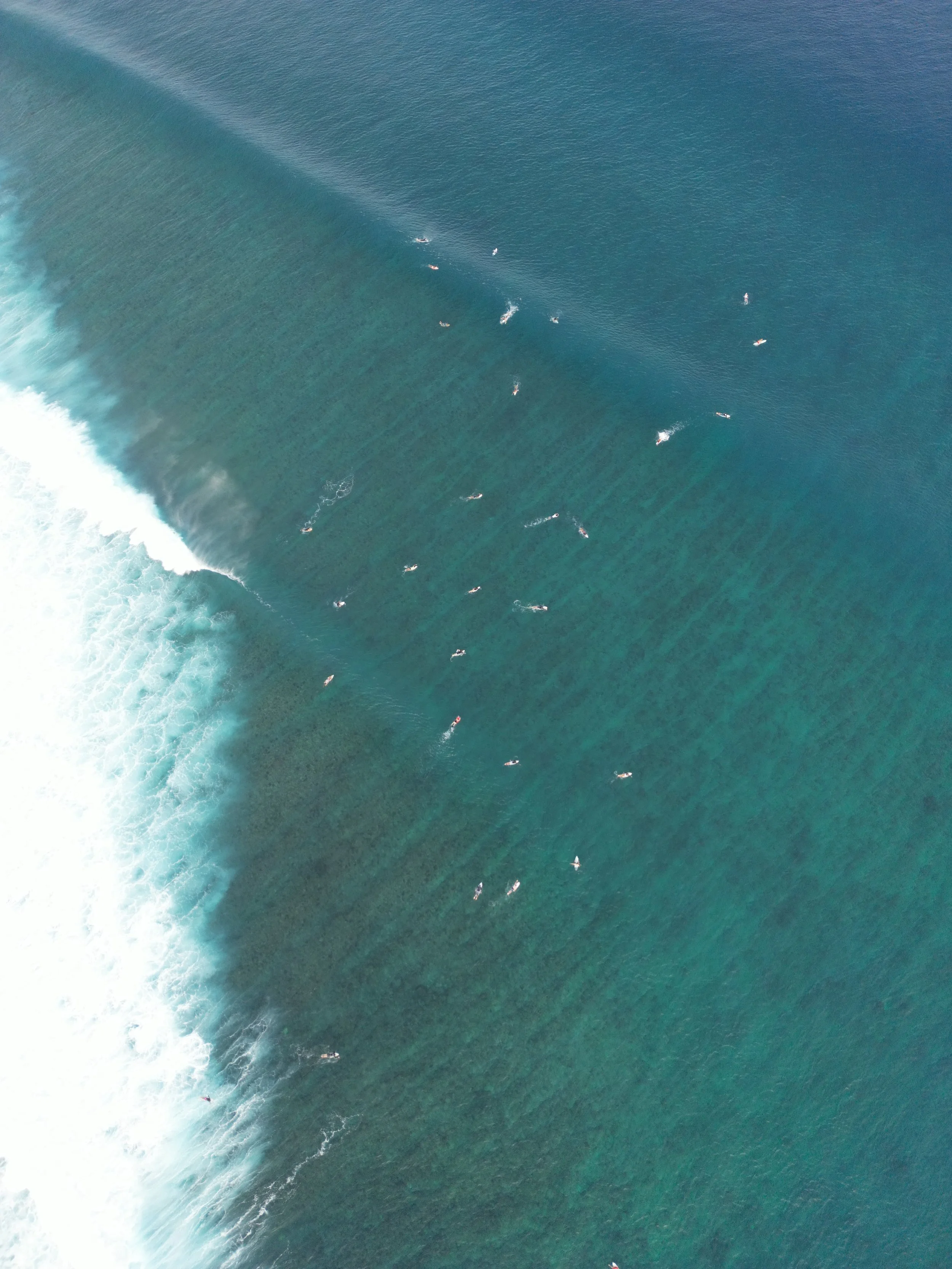
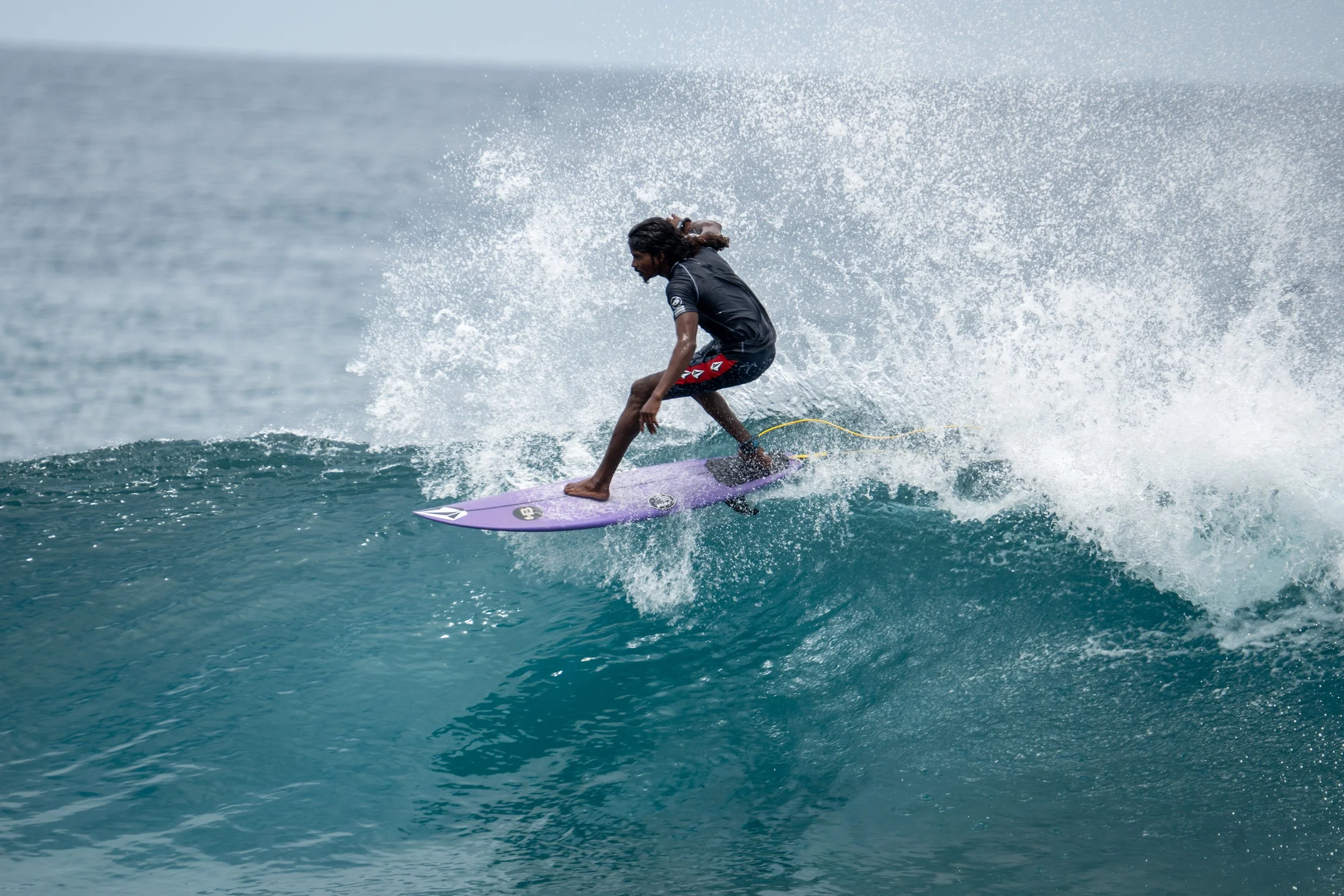
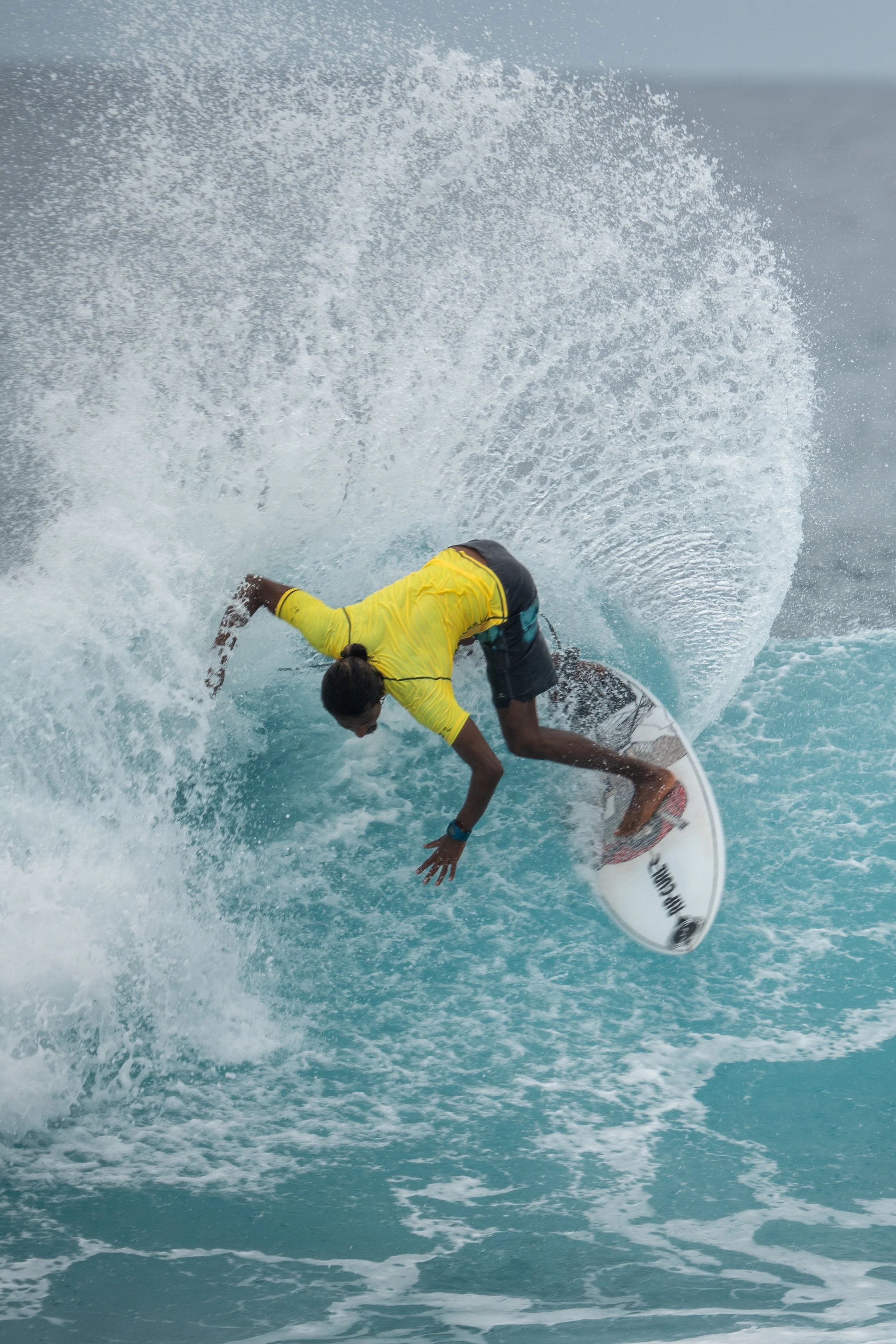
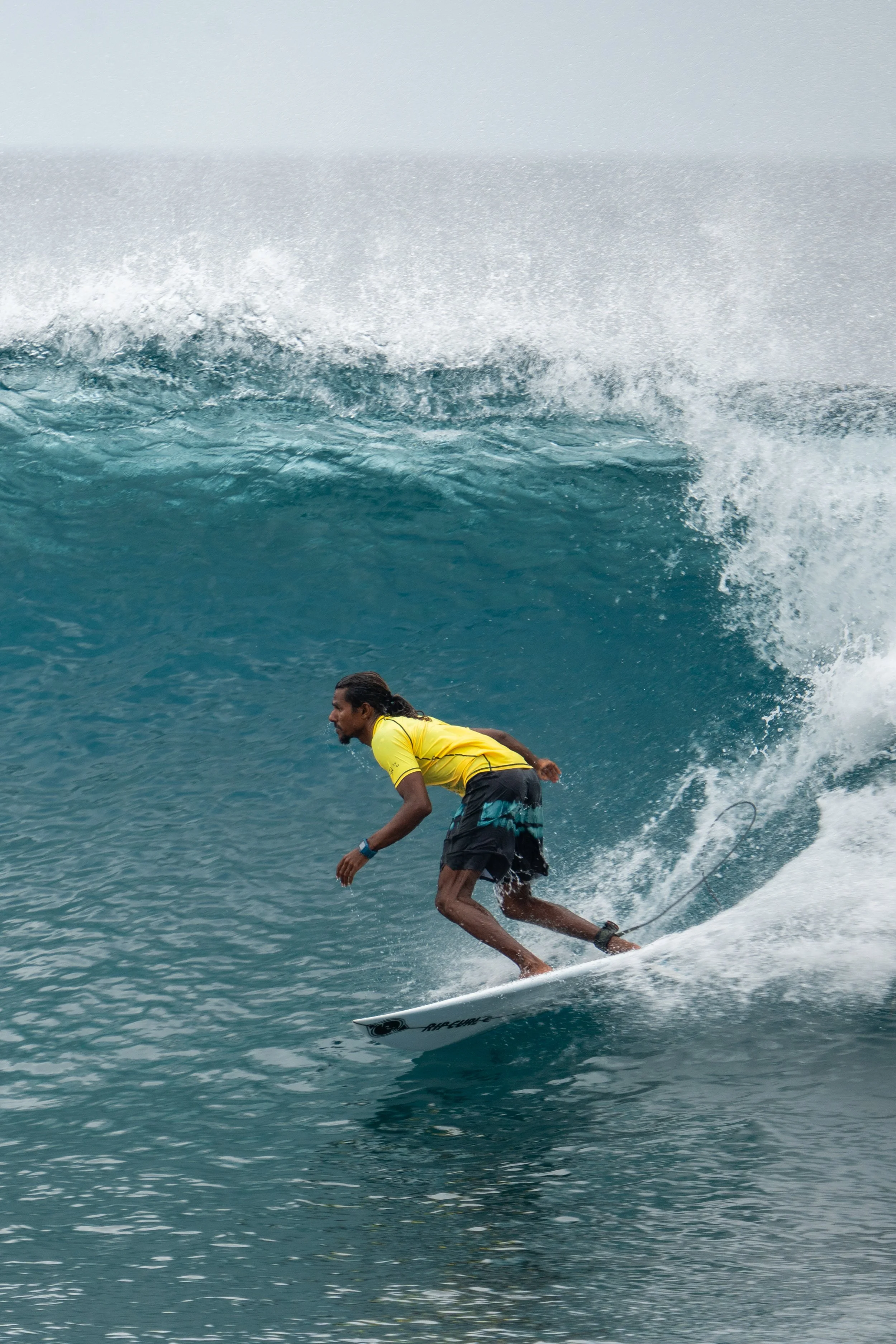
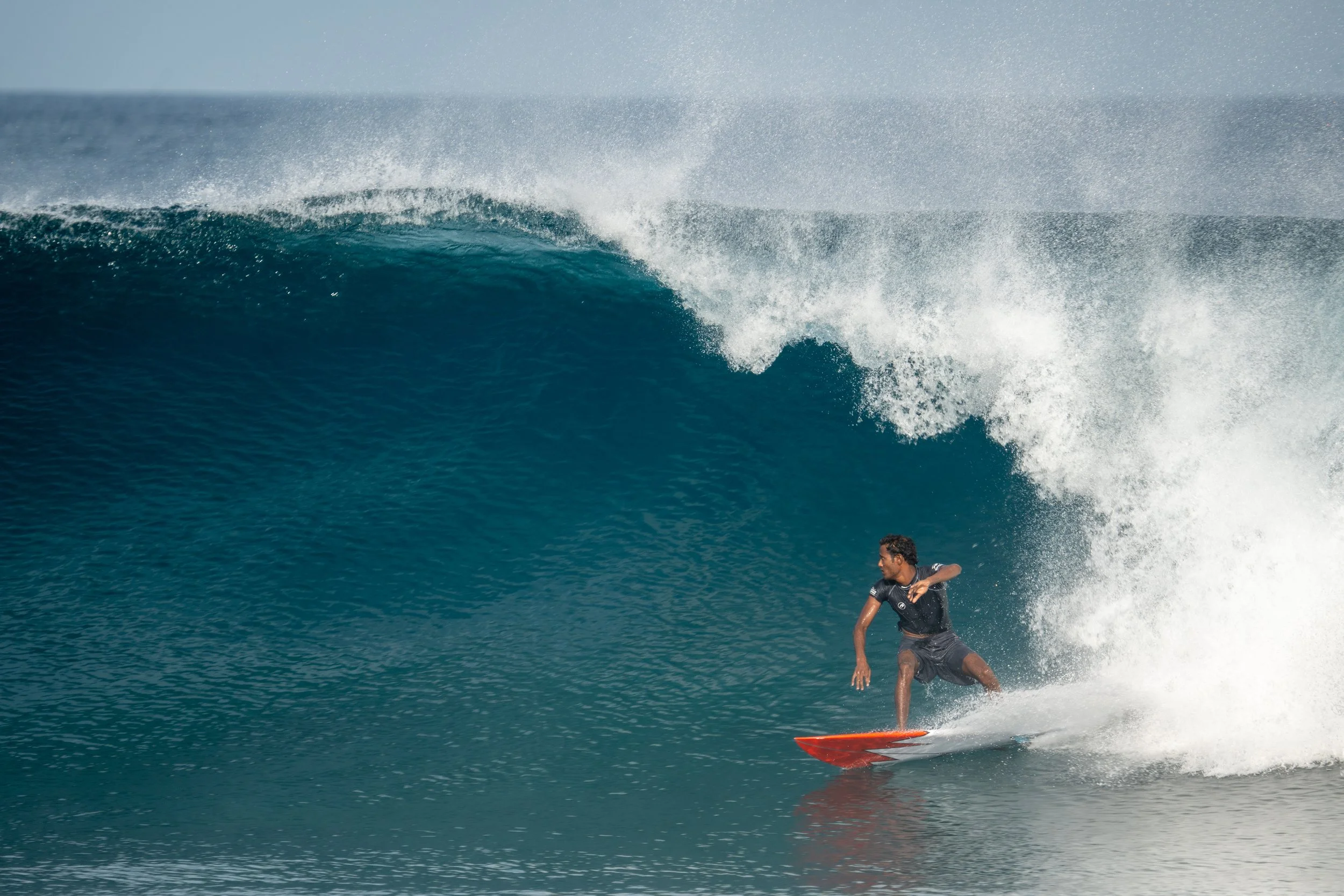
This island is one of the most accessible surf spots, especially for anyone visiting the islands on a budget. Thulusdhoo is about a 30-minute boat ride from Male and has two of the best breaks in the country, Chickens and Cokes. I was invited to photograph the national surfing competition, so I stayed in a guesthouse, and the next day, I took my 150-600 mm telephoto lens to the competition. Walking along a beautiful nature path, you come to an area with a panoramic view of the beach where you can watch the surfers do their thing. I enjoyed spending time with my local friends while photographing the surfing action. I was also able to launch my drone and flew to the other break to get aerial footage of the surfers there. While I did not partake in surfing as the waves were large, and I am a newbie to surfing, I have managed to get up on a longboard in other places. The Maldives does not have sand breaks, so if you fall, you hit coral and rock, and I am not about to do that type of shredding. The island is nice and long; you can enjoy some great guest houses, tasty food, and plenty of activities to keep you busy.
8. Dhiffushi
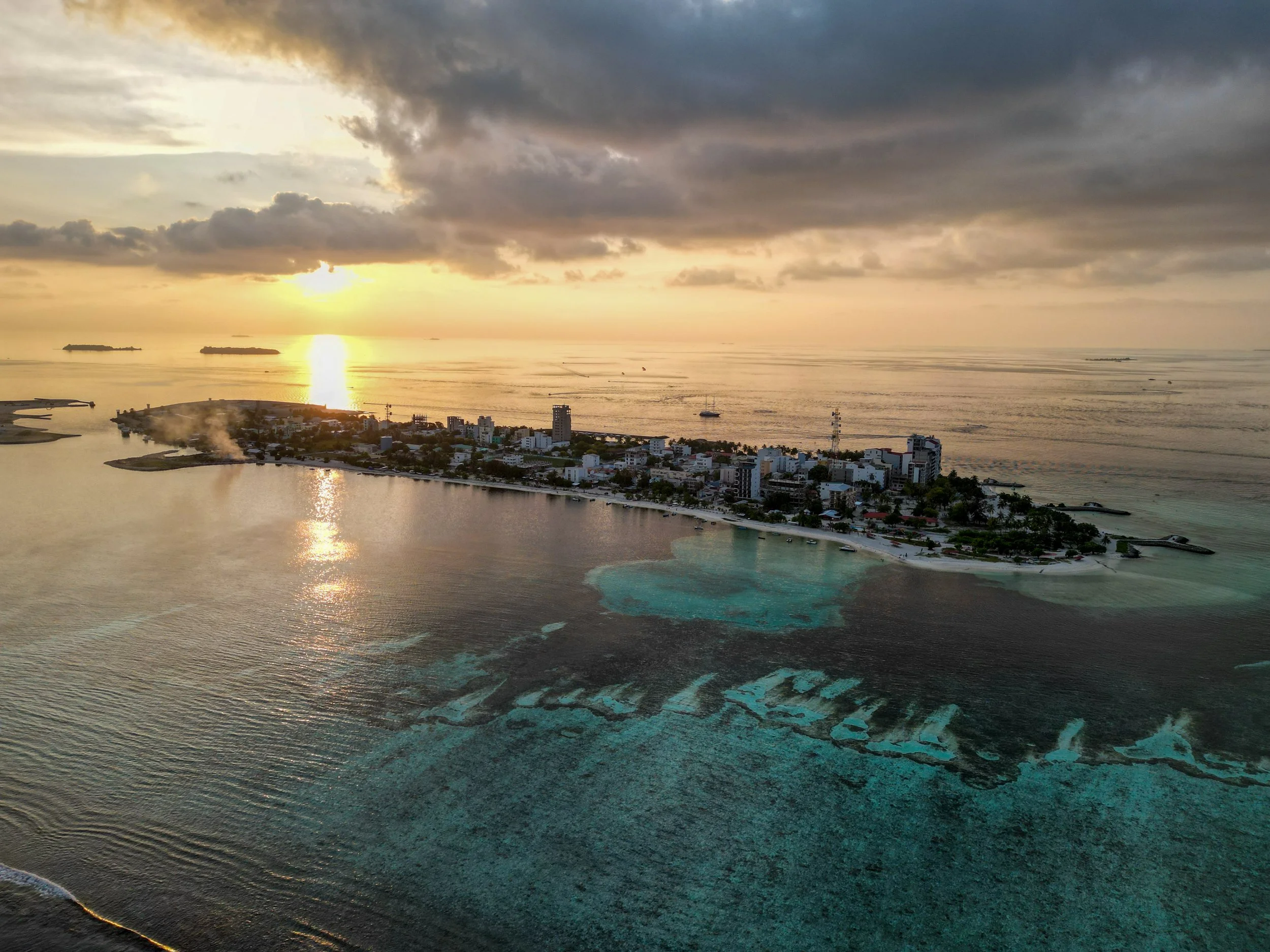
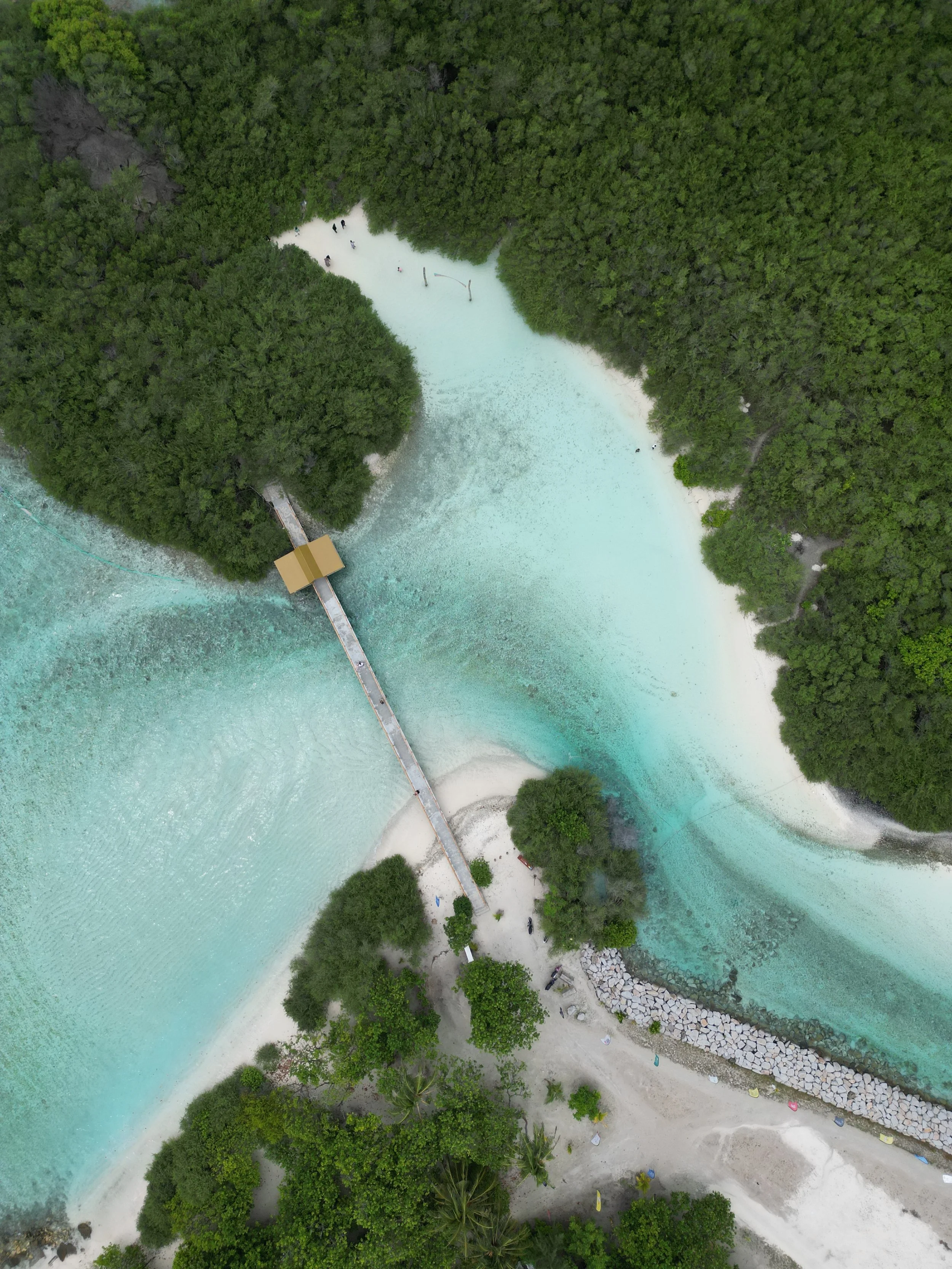
The island of Dhiffushi is in the North Male Atoll, not far from the capital city of Male and the Hulumale International Airport, making it a convenient local island for a short visit. I spent a lot of time here, as our Ritz-Carlton community outreach program was with the local school. This type of outreach, through scientific communication, benefits future generations by encouraging them to appreciate and care for our amazing planet.
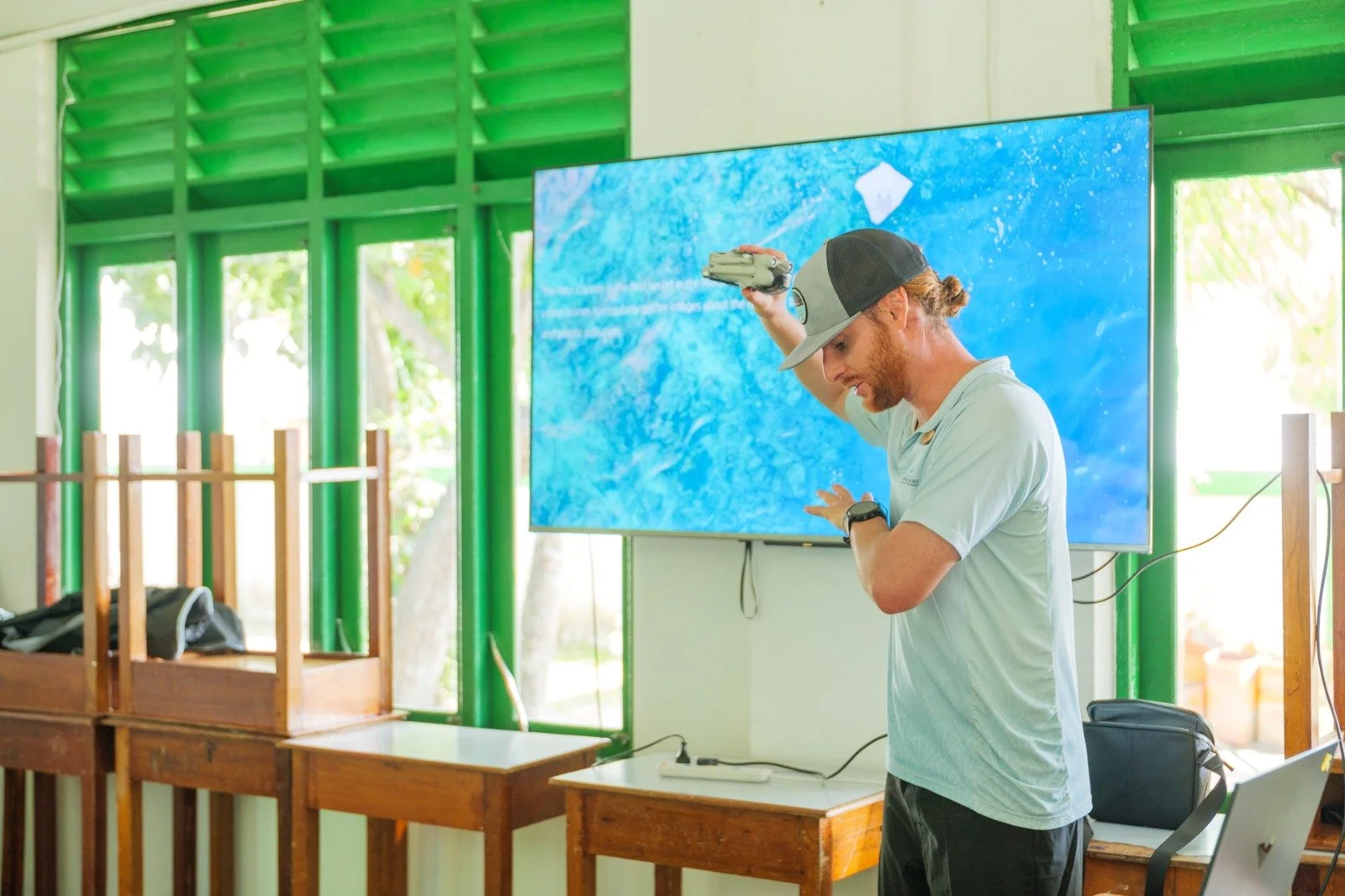
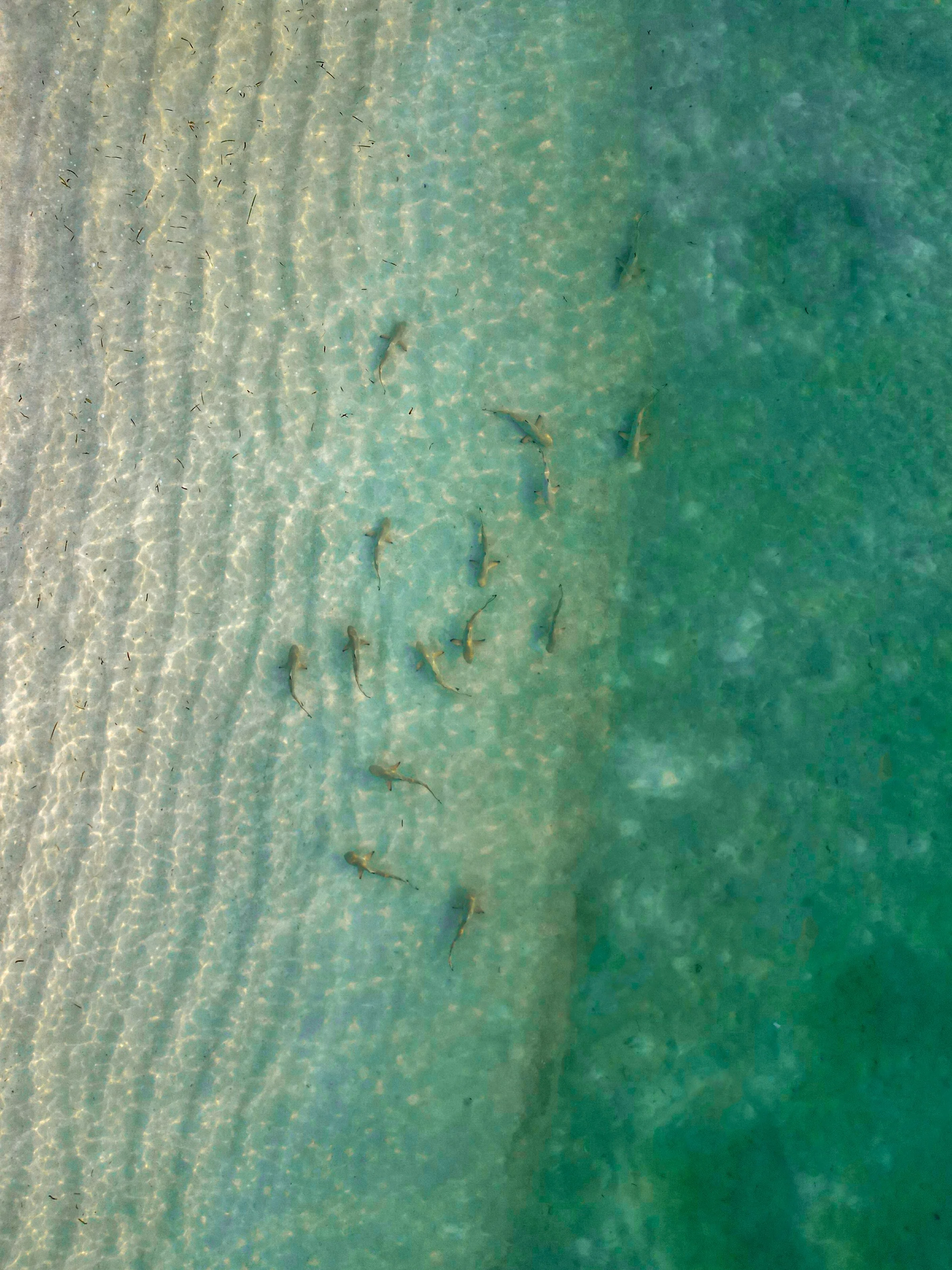
During one of our outreach programs, we had a special guest visit for a collaboration with the Ritz-Carlton. National Geographic Explorer Gibbs Kuguru, a shark specialist, visited our island to study the genetics of blacktip reef sharks, as there is a large population of these sharks with the recessive leucism gene.
We obtained permits from the country to allow Gibbs to collect samples from sharks and transport them back to his lab for processing. Our research team, which consisted of Walker, Gibbs, Mike, and me, spent one night on Dhiffushi to go shark fishing. We had a gill net set out and caught a couple of fish. However, when I was flying my drone in the evening, I noticed a large group of black tips on the south side, so I suggested we relocate our operation over there. I launched my drone in the air and was able to tell Gibbs where to cast so we could target the larger individuals. We also managed to catch a leucistic shark. When processing the sharks, they had to work quickly and do it in the water, so I operated the drone while they were processing. Unfortunately, I was bitten by a mosquito that at the time I did not know but in six days would find out, contained the Dengue virus, which knocked me on my ass.
If you take proper measures to avoid mosquitoes, you will not get the Dengue virus. Dhiffushi offers comfortable guest houses and is close to the major surf, snorkel, and scuba sites located in the North Male Atoll.