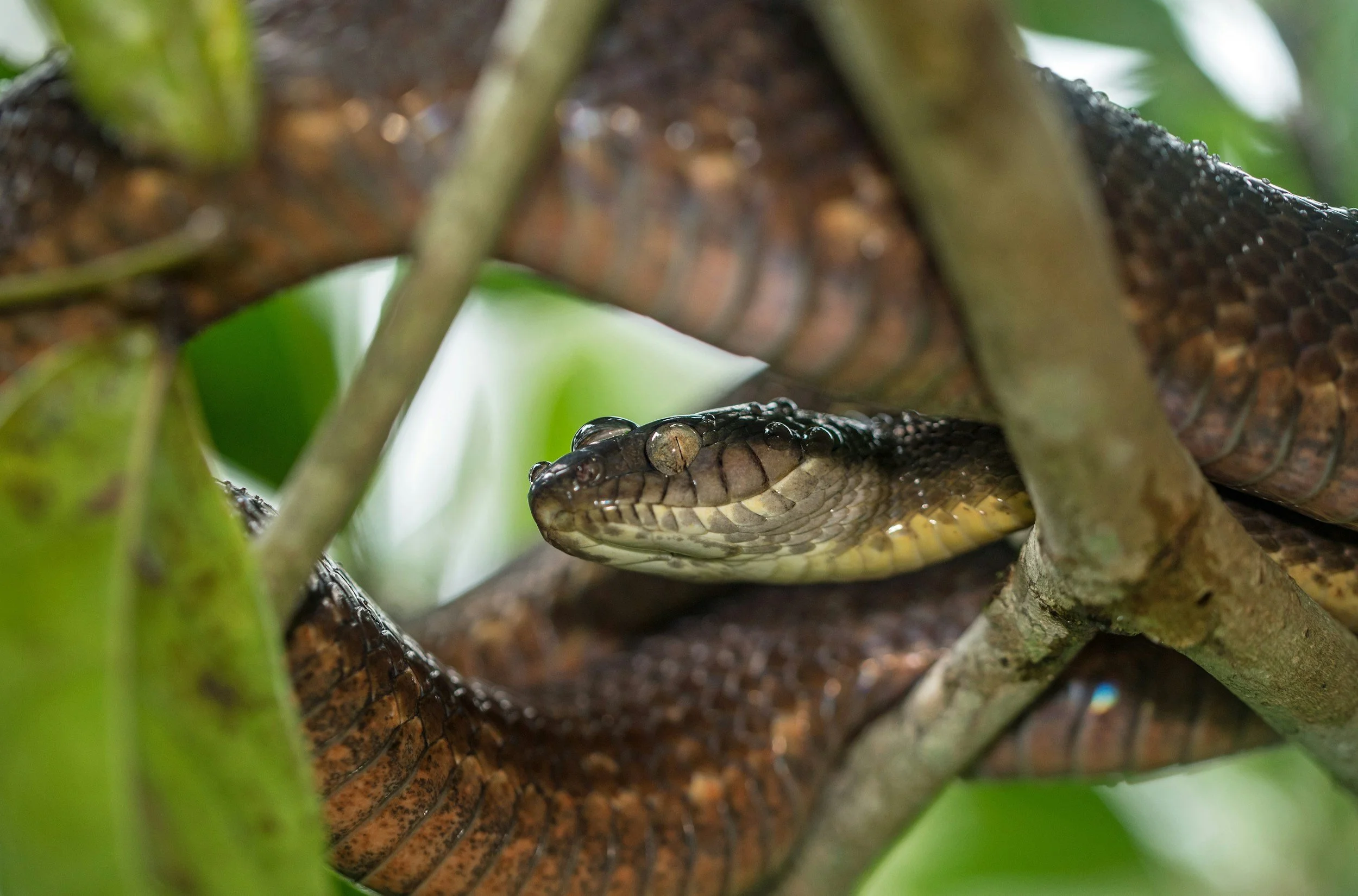
Adventure and Conservation in Guam: Tracking the Invasive Brown Tree Snake
While I was working in Antarctica, I quite liked the idea of working a civilian contract for the military, so I applied for a position in Guam with the United States Geological Survey as an invasive species technician through the university. I would be working on the Air Force Base, Navy Base, and Reserves on the island. I interviewed for and got the job.
In March of 2022, I headed to Guam from Denver via Honolulu, got an apartment, and rented a car. This would be the first time I had lived in a place that was not considered remote, and therefore, housing and transportation were not provided for me, which was typical in my other jobs.
Out in the middle of the Pacific Ocean, Guam sits at the edge of the Micronesian archipelago, and it’s actually the closest landmass to the infamous Mariana Trench. The nearest countries are the Philippines, Japan, and Palau—but Guam itself is a U.S. territory, not an independent country. Despite how remote it feels, Guam has a heavy history. During World War II, it was occupied by Japan from 1941 to 1944 before being retaken by U.S. forces during the Battle of Guam. Many of the remnants from that era—tanks, bunkers, and wreckage—are still scattered across the island and surrounding waters. Today, Guam is also home to the War in the Pacific National Historical Park, the westernmost national park in the United States, preserving both the island’s natural beauty and its wartime past.
My main job on the island was to work with the invasive brown tree snake, which has unfortunately caused many problems for the island's native wildlife. Prior to the end of WW2, the USA had many bases and camps spread across the South Pacific. After the war ended, all that material was brought back to Guam, which was the USA’s staging point. Unfortunately, during this process, a considerable number of brown tree snakes entered the cargo and flourished on the island, leading to overpopulation and the subsequent decline of local bird and small-animal populations. It was insane to go hiking and not see any native birds, because almost all that are left are pigeons and other invasive species. The brown tree snake population exploded to over 3 million snakes, but now, due to strategic conservation efforts, it has been reduced to half that number.
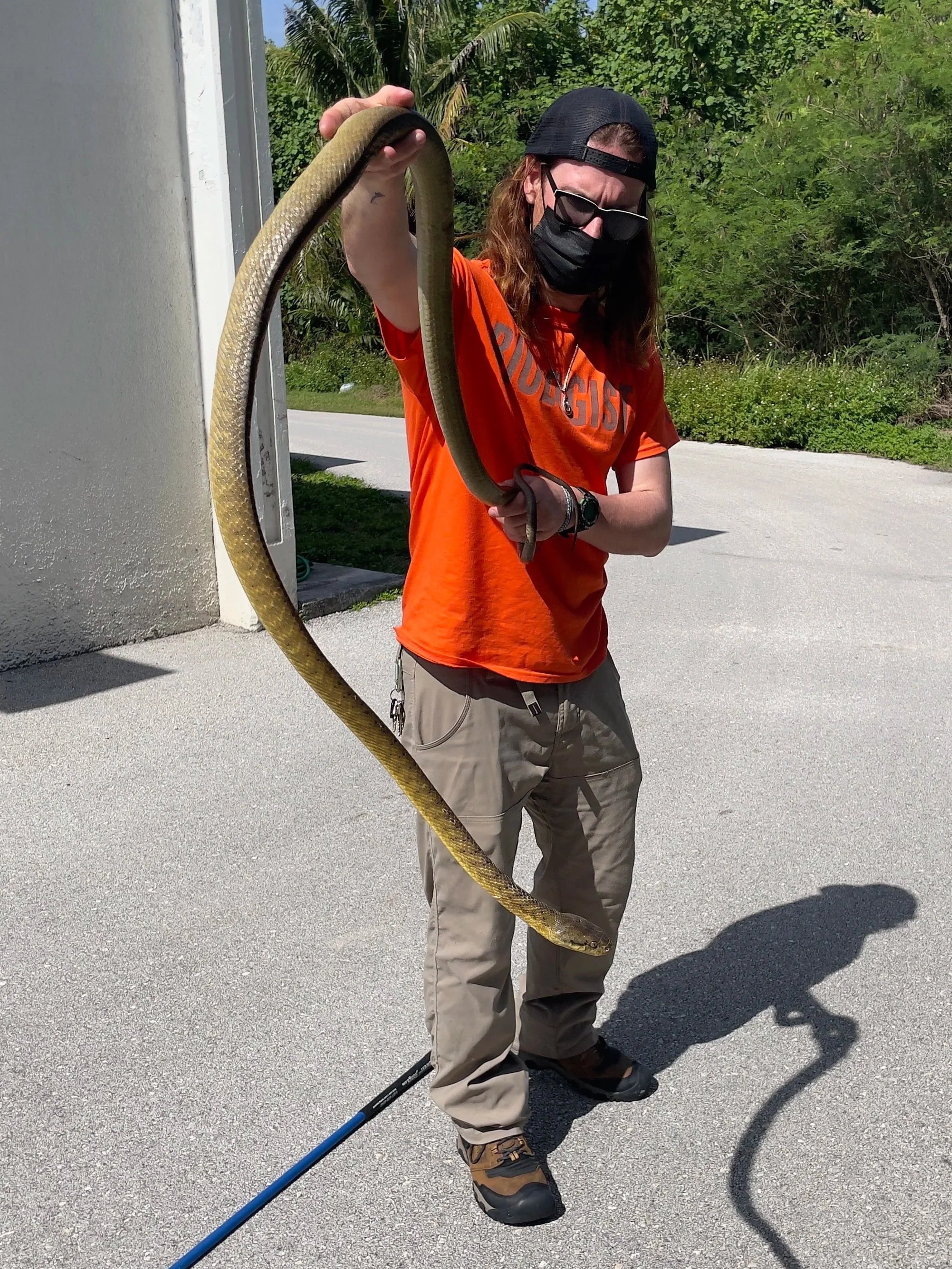
That is where I came in as one of the technicians whose job was to study the snakes in the Pacific, ensure they did not spread to other islands in the South Pacific, and remove the existing populations. Guam is a stunningly beautiful island with epic things to do, but unfortunately, the cost of living there was not sustainable for me, and I ended up leaving after two months.
Life on Guam
Guam is all about “island vibes” and has a remarkably diverse demographic. The local people on the island are called Chamorro and make up the majority, while Filipinos, Japanese, Koreans, and Caucasians make up the rest. The Chamorro market was every couple of days, and the island’s BBQ and food were particularly good. What I enjoyed most was all was the Japanese food, like Fuji Ichiban Ramen, and Pacific Islander food, like poke from Onigiri Seven, which was the best because it was always fresh.

I had a very funny experience on the island in the first couple of weeks I was there. I went on a date with a local woman, and she asked where I would like to eat. I said, “Hey let’s go get some local food,” and she took me to the chain restaurant, “The Outback Steakhouse.” When we arrived, her uncle met us at the door! He joined us on the date and spent the entire time asking me questions. To this day, it was the most awkward date I have ever had in my life. The moral of my story is that dating there is not the greatest because if it was not family members joining you, the biggest entertainment at a bar was watching new servicemen trying to pick up some of the Japanese and Korean women when their entire world experience was Ohio, USA.
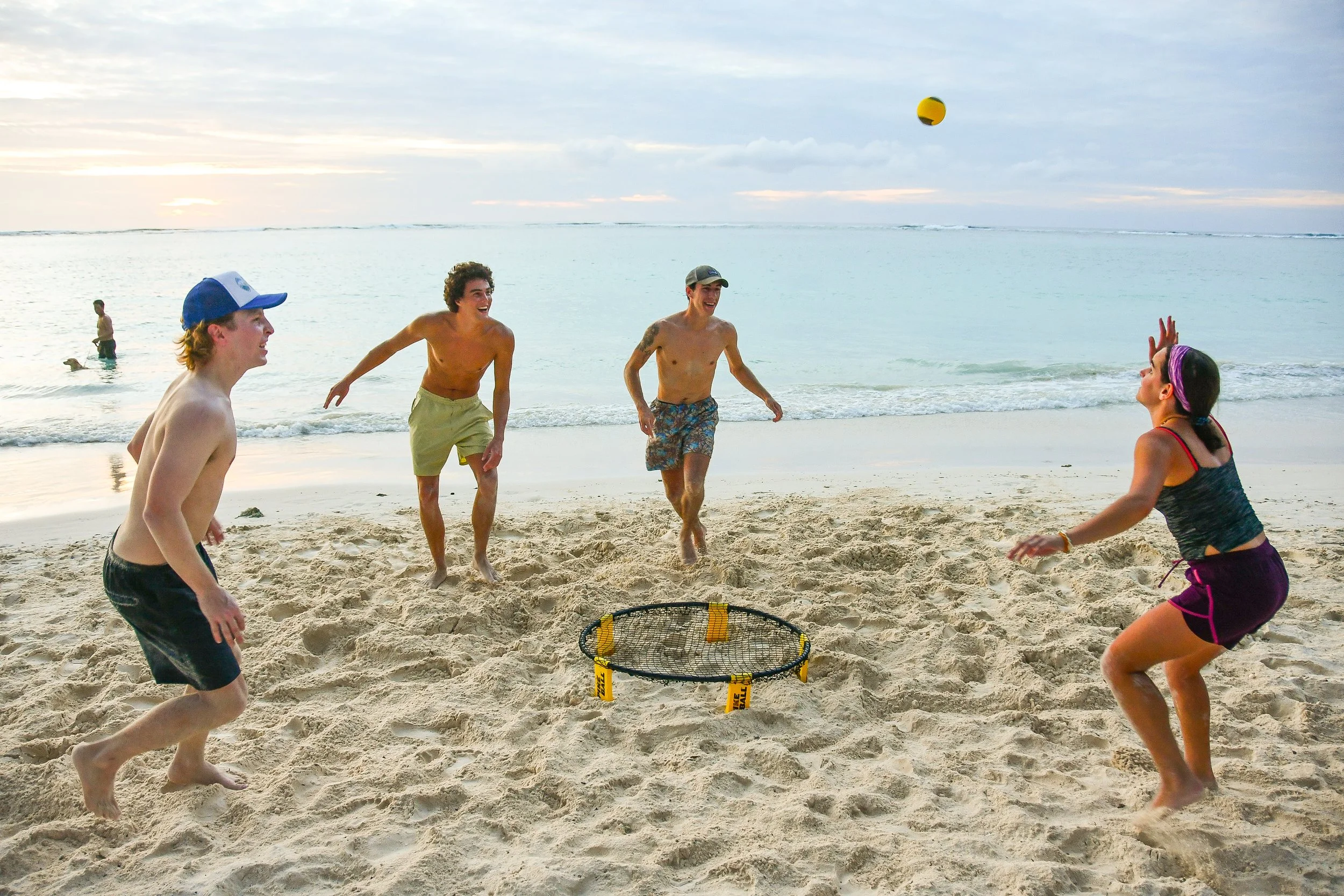
Guam seemed to attract a lot of very cool, like-minded, nature-loving people. I was invited to a great friend group that included most of the marine science team at the university on the island, and we would regularly hang out and go on adventures.

Hiking
Guam offers some epic hiking, including peaks, waterfalls, WW2 ruins, and beaches. The island is a lot larger than you would think and it takes a couple of hours to drive around the whole thing. Some of my favorite hikes are listed below:
Sella Bay
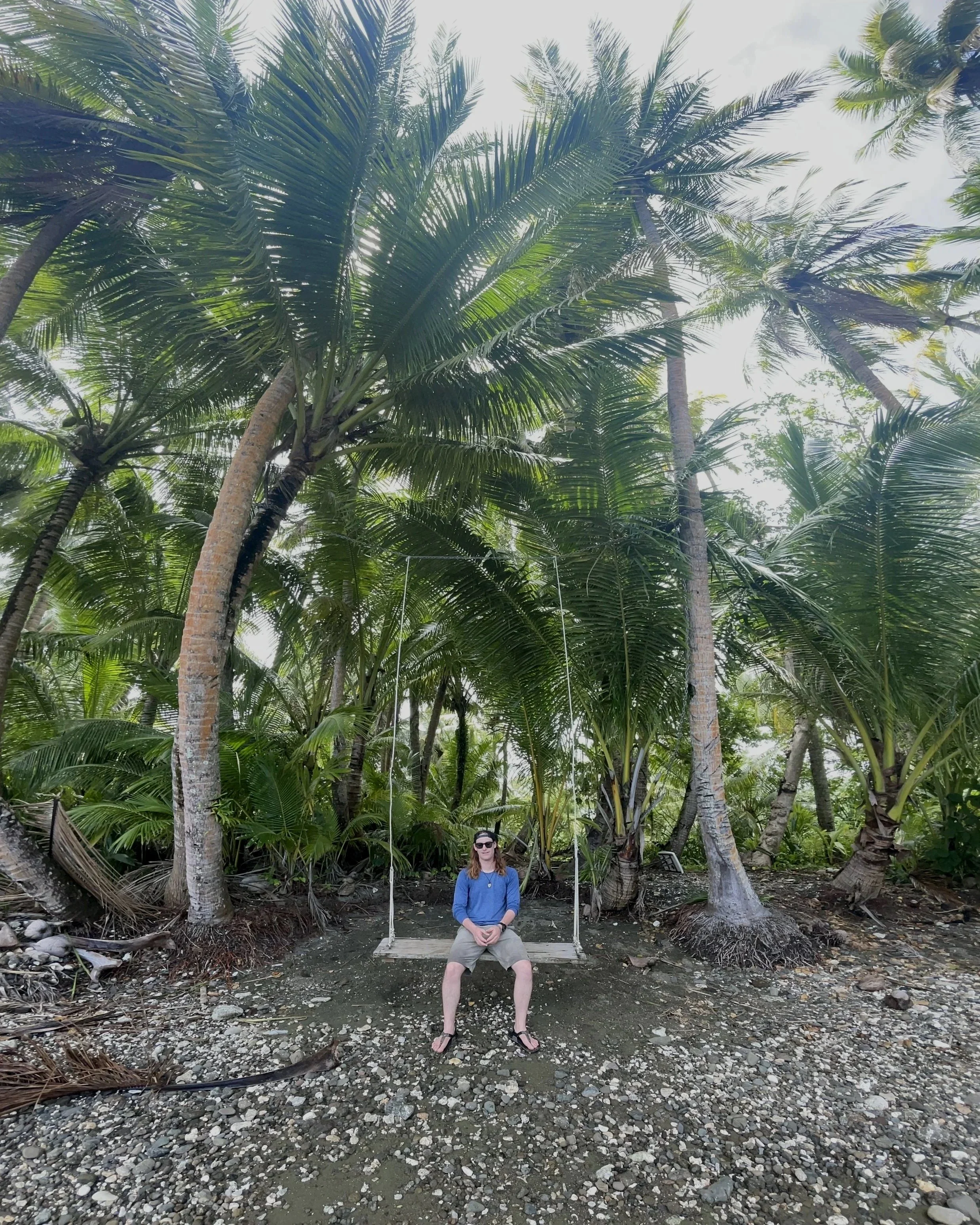
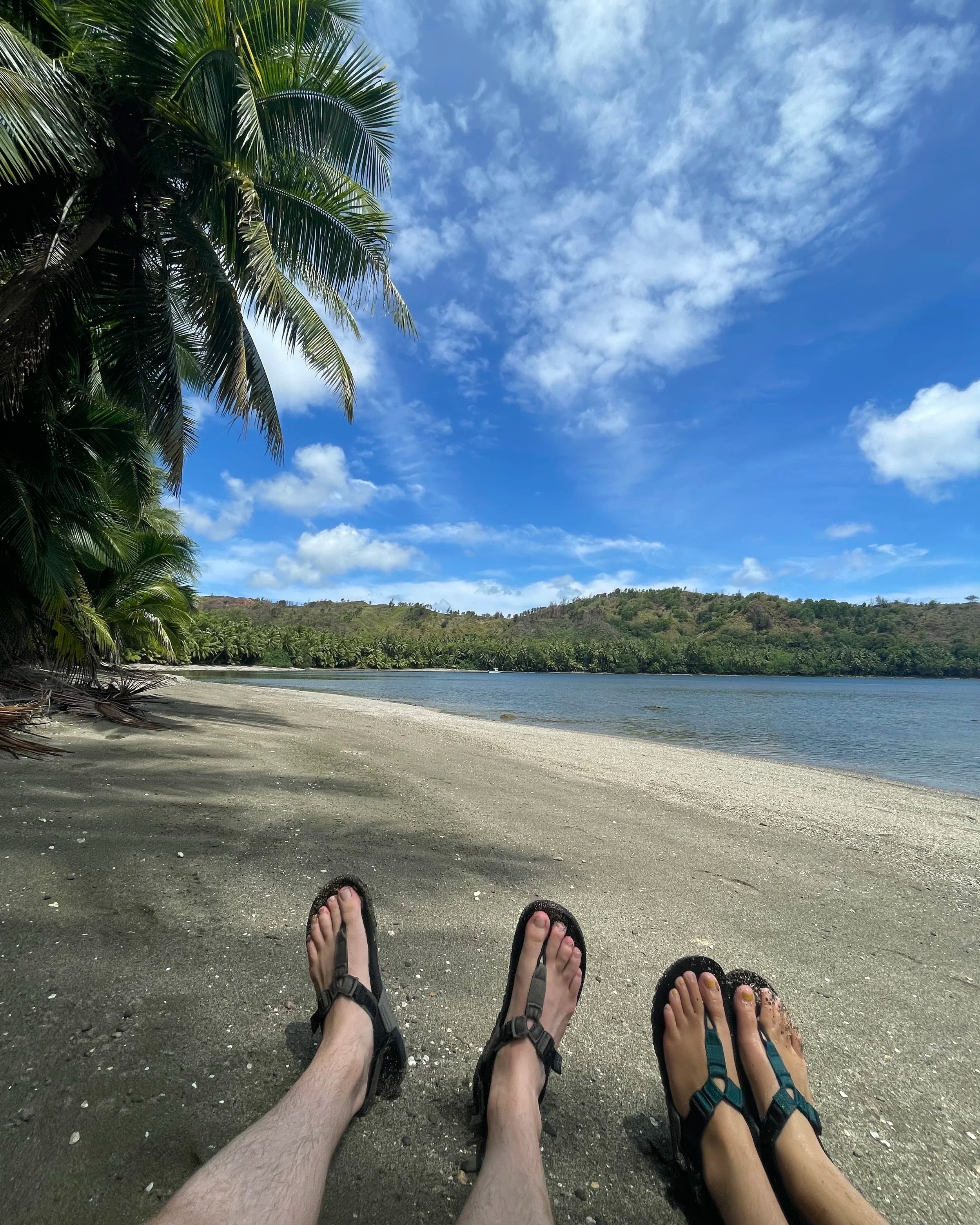
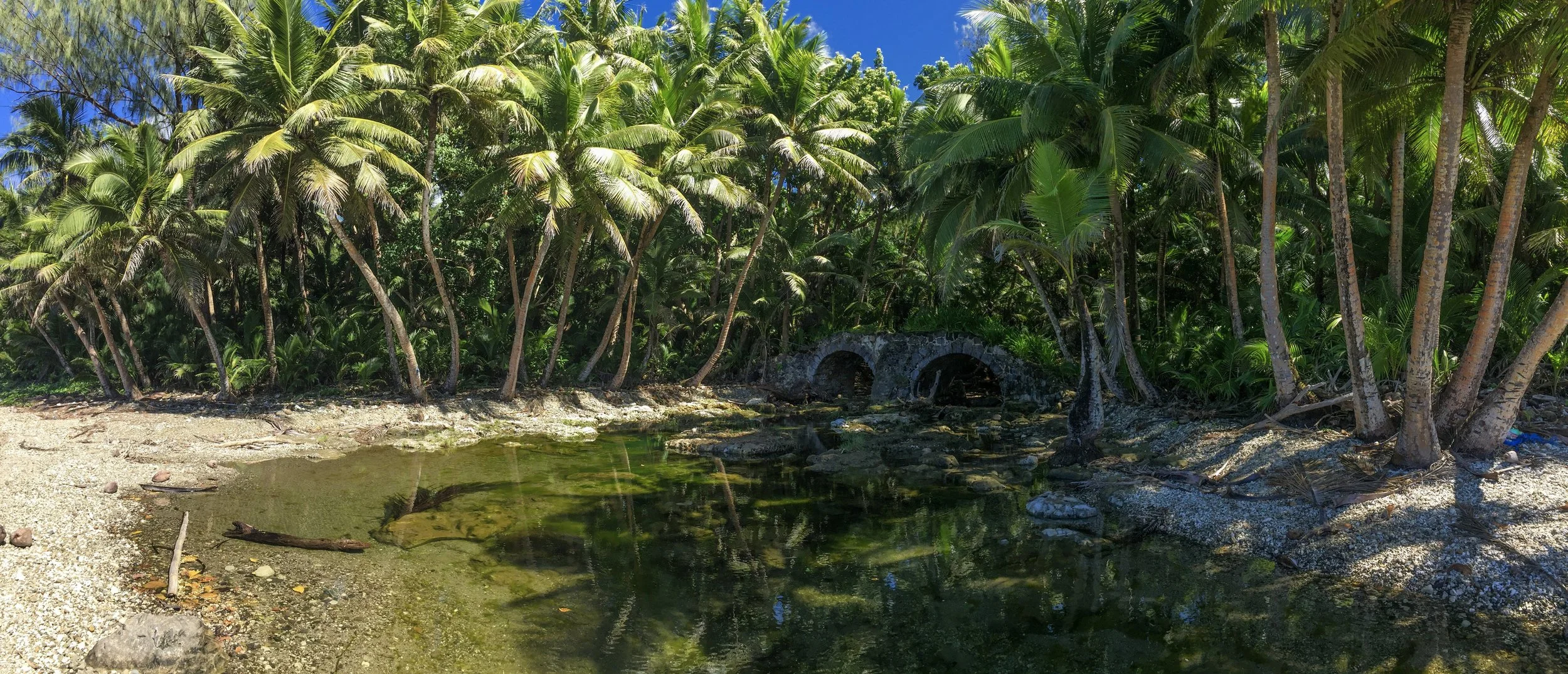
This hike is near the Cetti 7 and takes you down to the beach via an old Spanish Bridge built in 1866. It is not much, but it is cool to see. The pathway then takes you to this lovely beach that has a nice swing and can be a good snorkel site as well.
Lower Sigua Falls
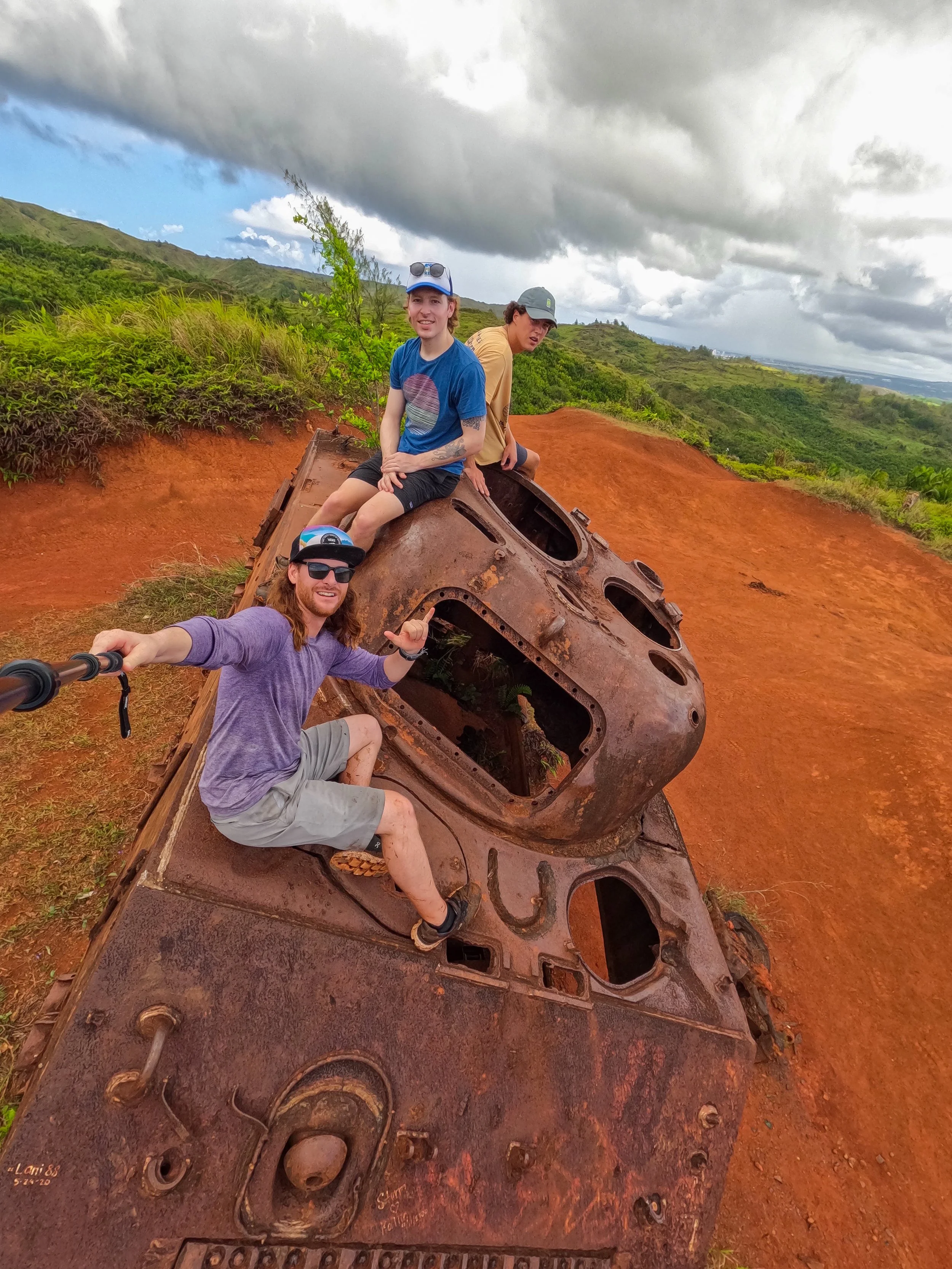
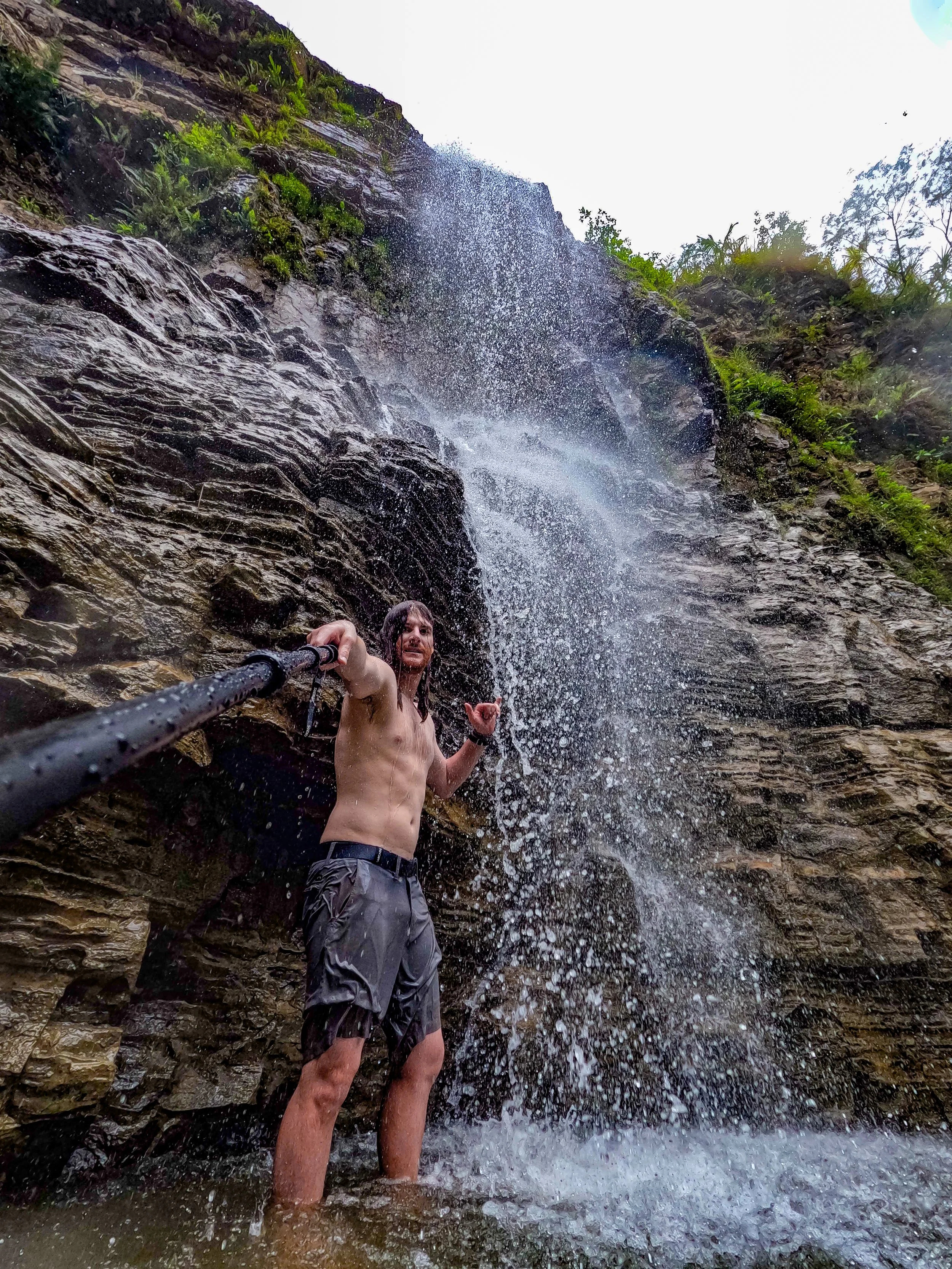
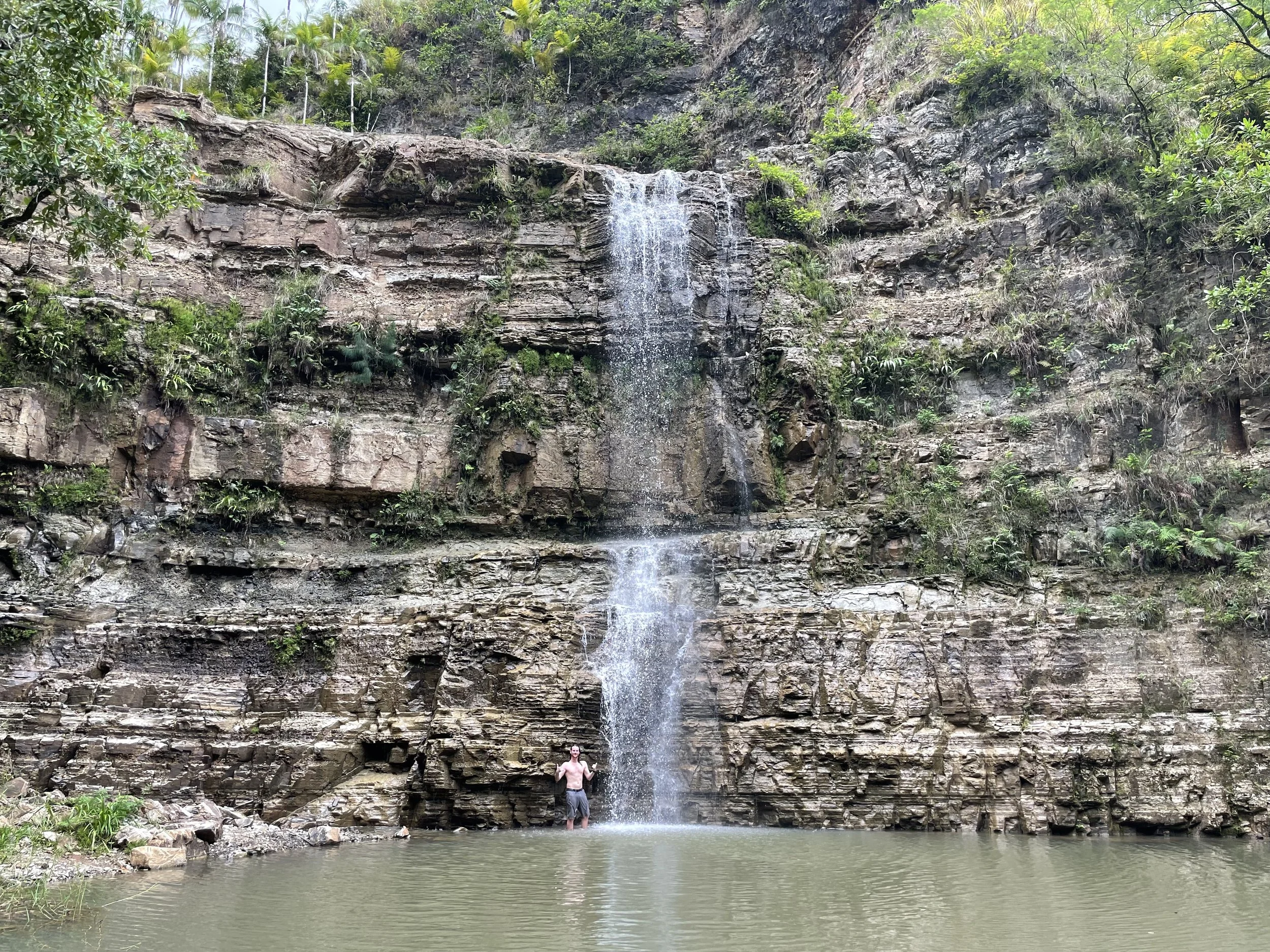
This was my favorite hike on the island because it takes you through some nice WWII tank ruins and an abandoned hotel, then through a large open field. Do not wear shoes you care about because these trails can get very muddy. Also, good traction is an absolute must, as there is a lot of climbing to get down the hillside to the waterfall. The waterfall is gorgeous, and you can get right up to it and do some cliff jumping into the water. The water tends to be murky, so check the depth and where to jump before you go off the cliff. There are wild boars on the island, so it is advisable not to get into stagnant or standing water after heavy rainfall, as leptospirosis is common in Guam.
Mt Schroeder
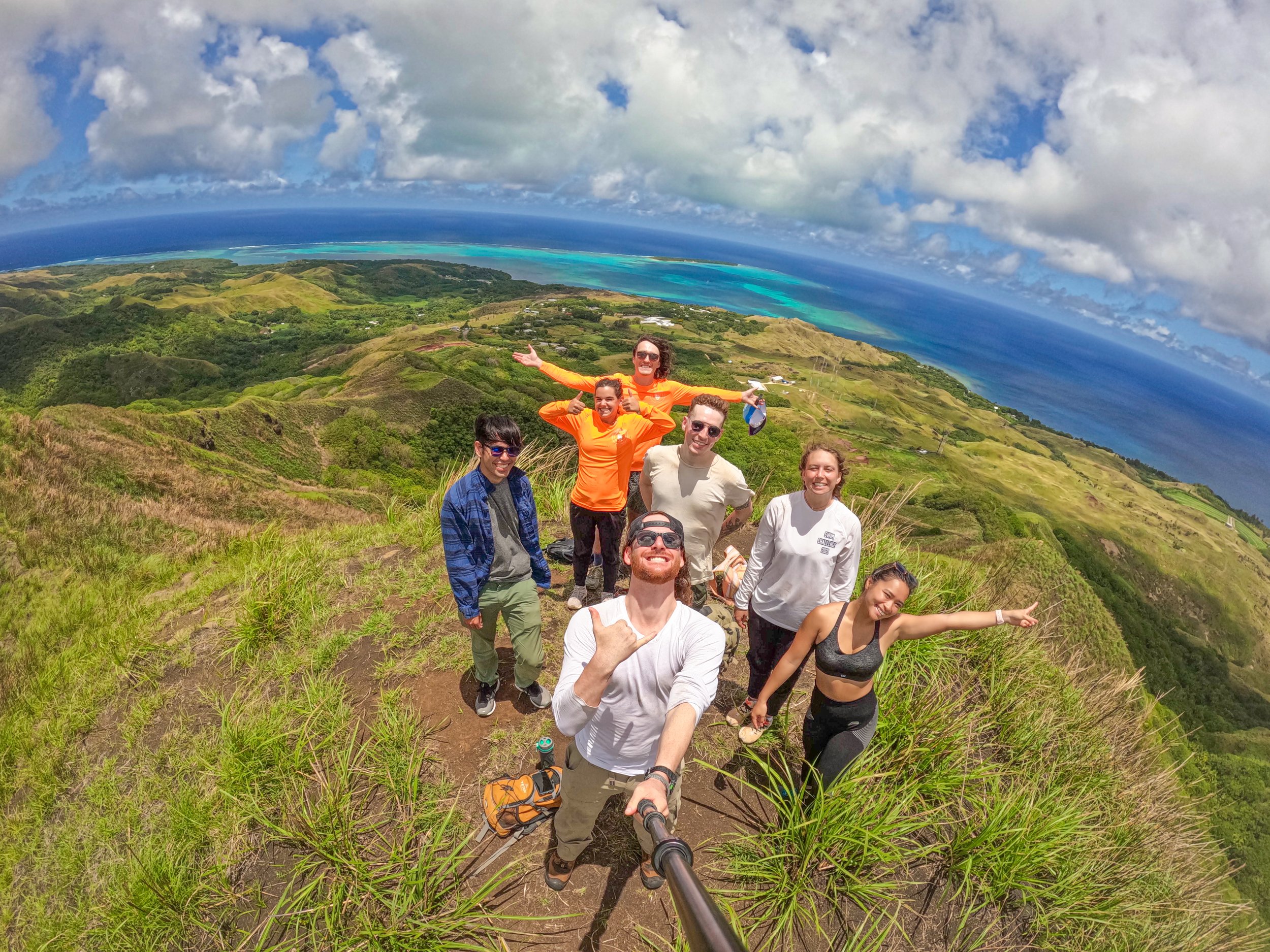
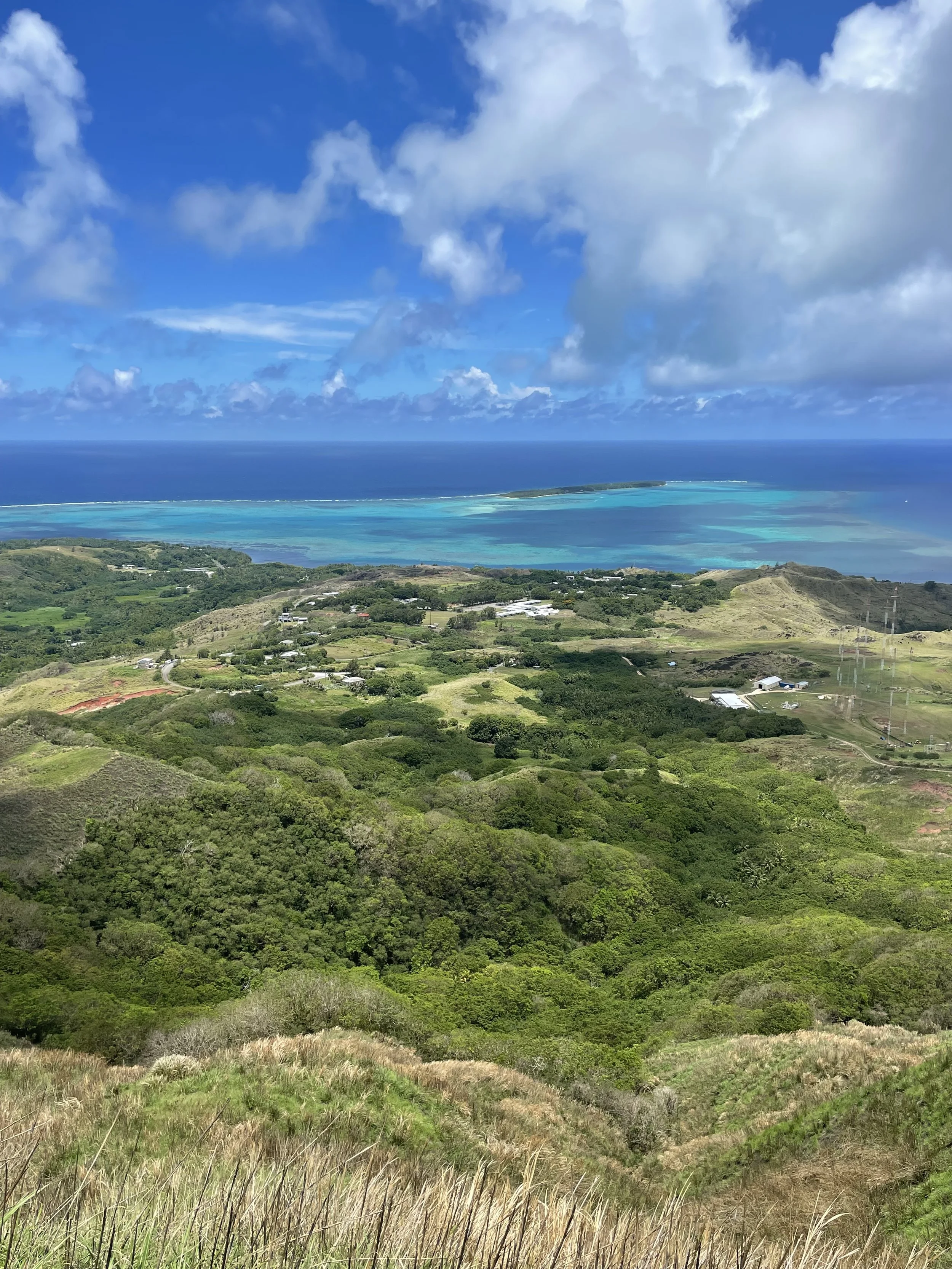
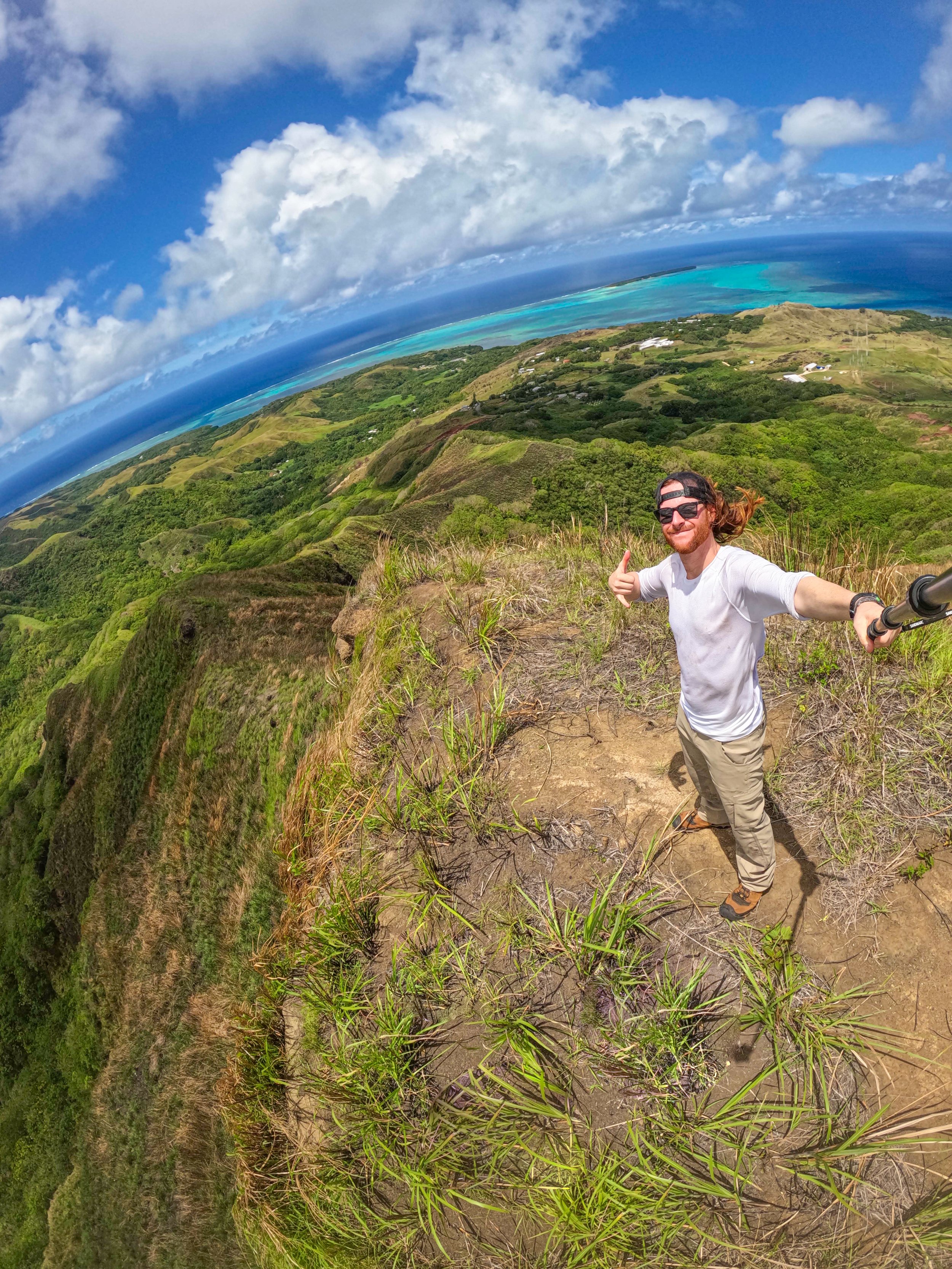
The second highest mountain in Guam is Mt Schroeder, while the tallest is Mt Lam Lam. I preferred this hike because you get a beautiful view of the south, Cocos Island, and the surrounding hills. There is a cool ridge hike along the entire mountain ridge that I did not get to do, but I totally recommend that backpacking trip.
Cetti 7
This hike is the most difficult on the island because it involves climbing seven waterfalls, each over 10 meters tall. There are ropes on the side of the falls, and that is what you use to head up, but make sure they are checked by the hiking leads for Guam, because if the ropes are old, they can break, which has unfortunately happened here.
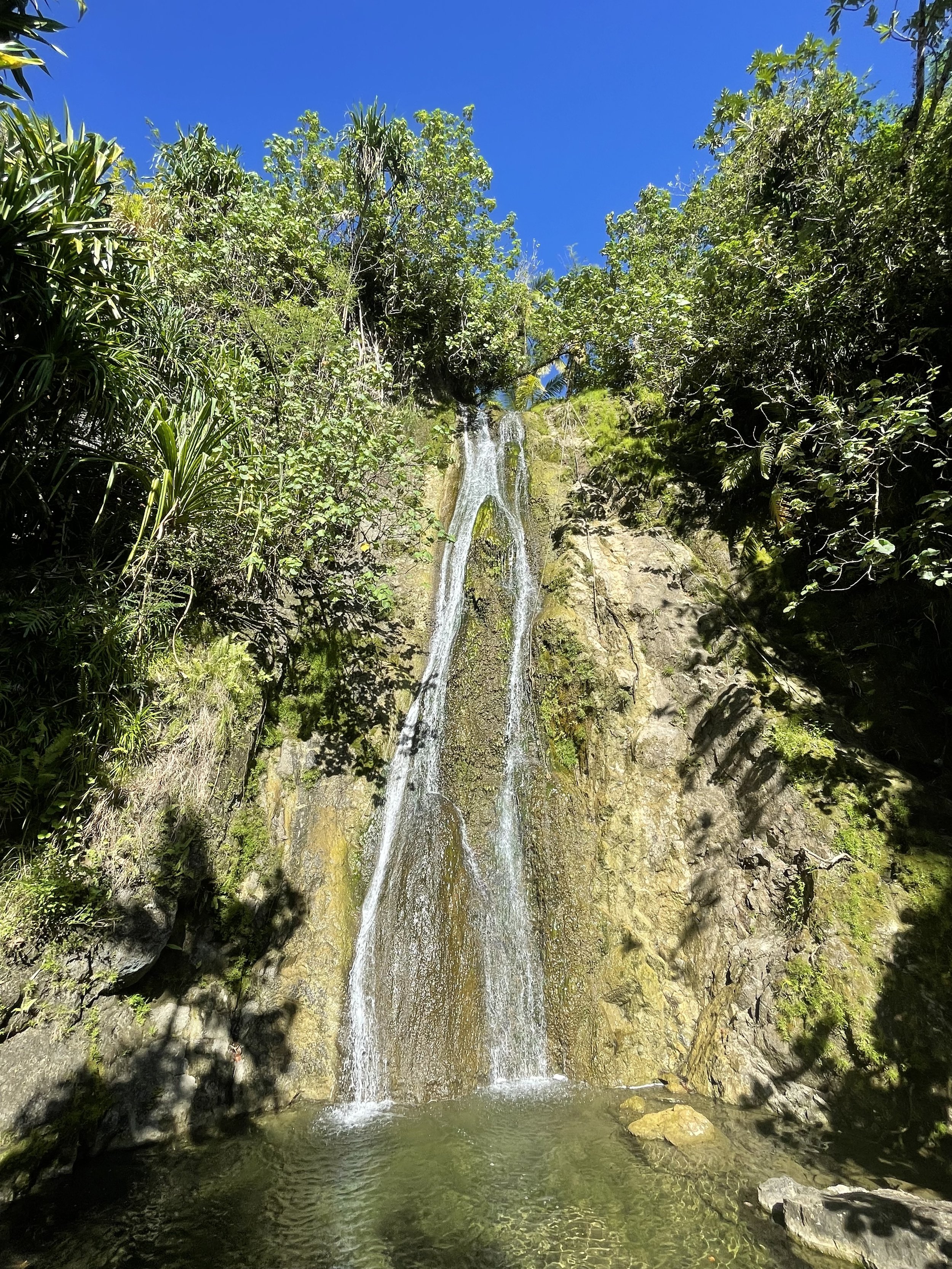
Guam National Wildlife Refuge
The snake team’s base was stationed at this refuge, which is all the way north on the island near Anderson Air Force Base, which was our main area of work, as we do not want any more snakes getting onto cargo and spreading across the Pacific. The refuge was established in 1993 and encompasses over 1200 acres. Depending on the day, if it is clear enough, you can see the island of Rota. Snorkeling here can be good, but you absolutely need a buddy because the currents and weather can shift, causing you to drift into the Pacific. My favorite activity was to go tidal walking when the tides were super low and look for wildlife.
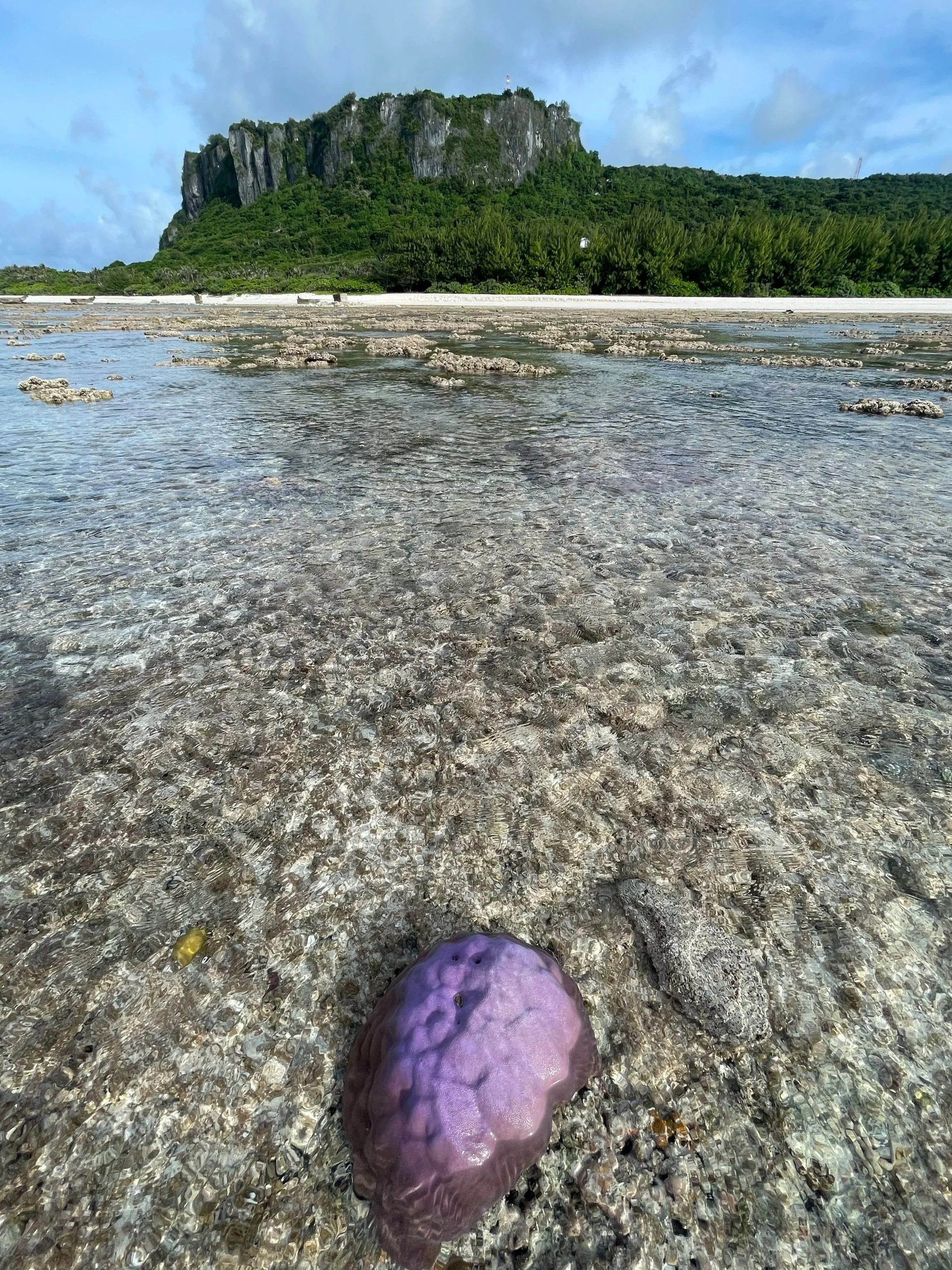
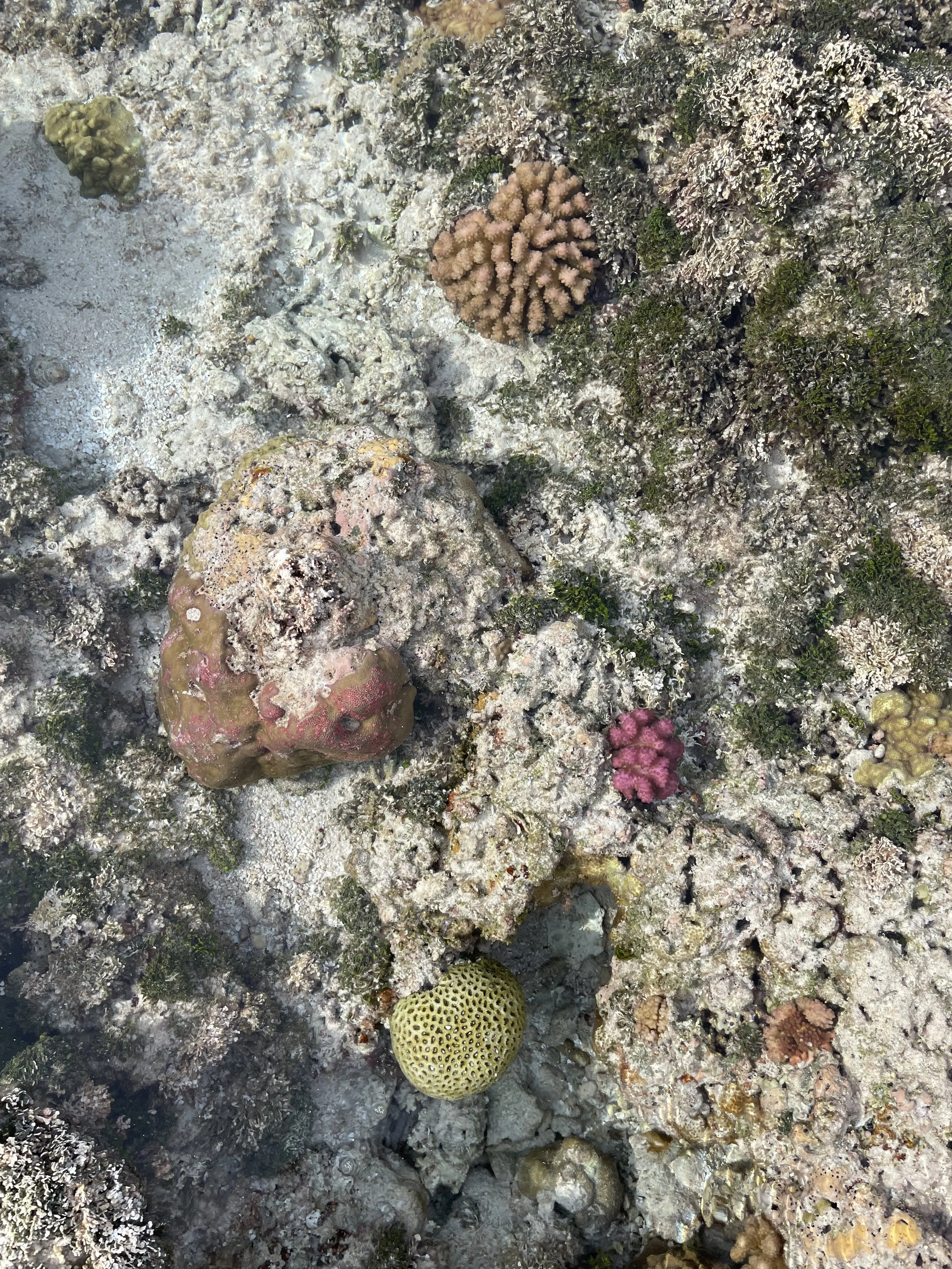
Water Sports
Guam is one of the most epic water sports destinations in the world. Its remote location, the warmer Melanesian waters, and the size of the islands allow enthusiasts visiting the island to have an epic adventure. Because of the high mountain ridge line in the center, when there is wind coming from a direction, it means one side of the island is windy, and the other is calm, so divers and snorkelers go to the calm side, while the wind sports people head to the other to catch the waves and wind.
Kite Boarding
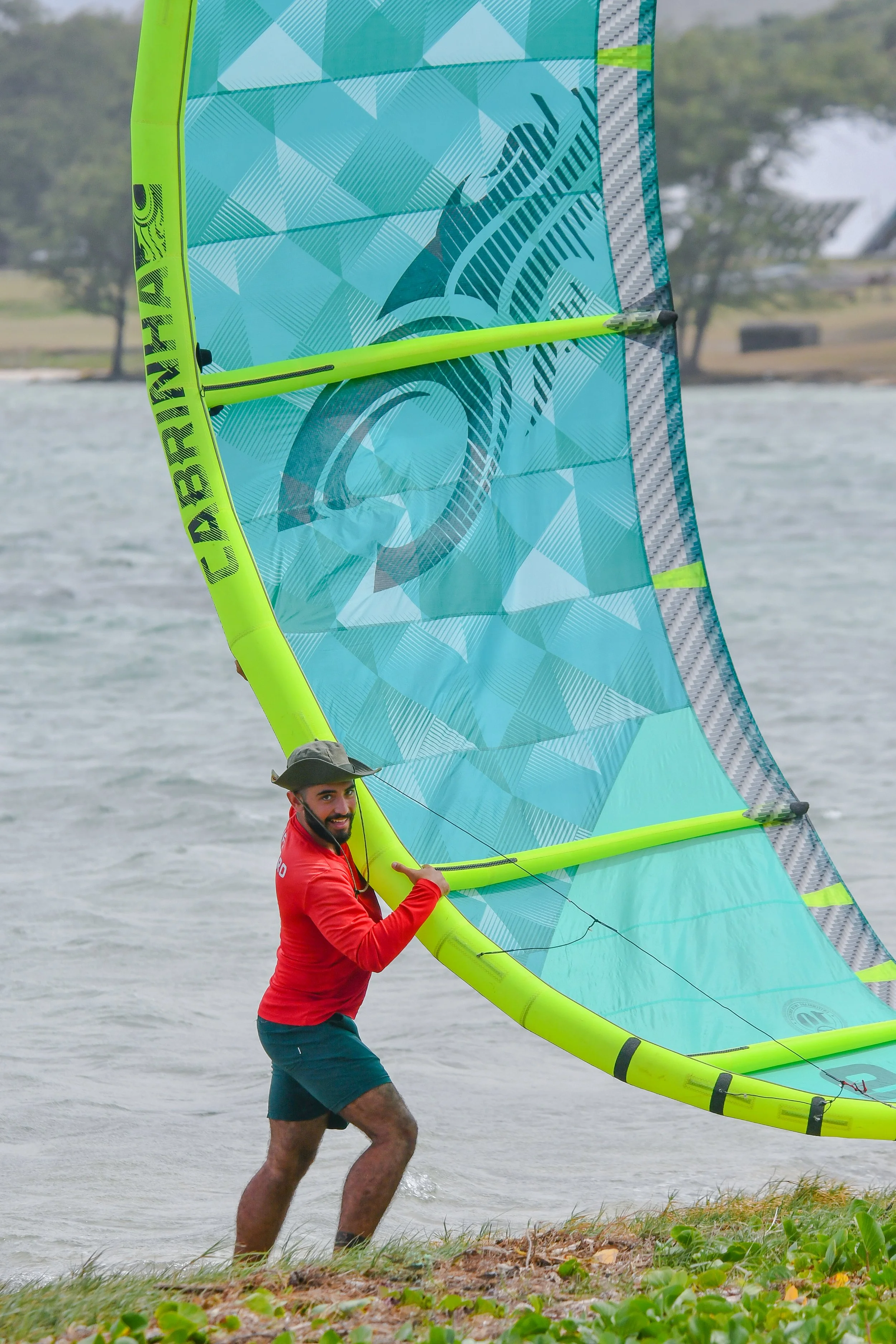
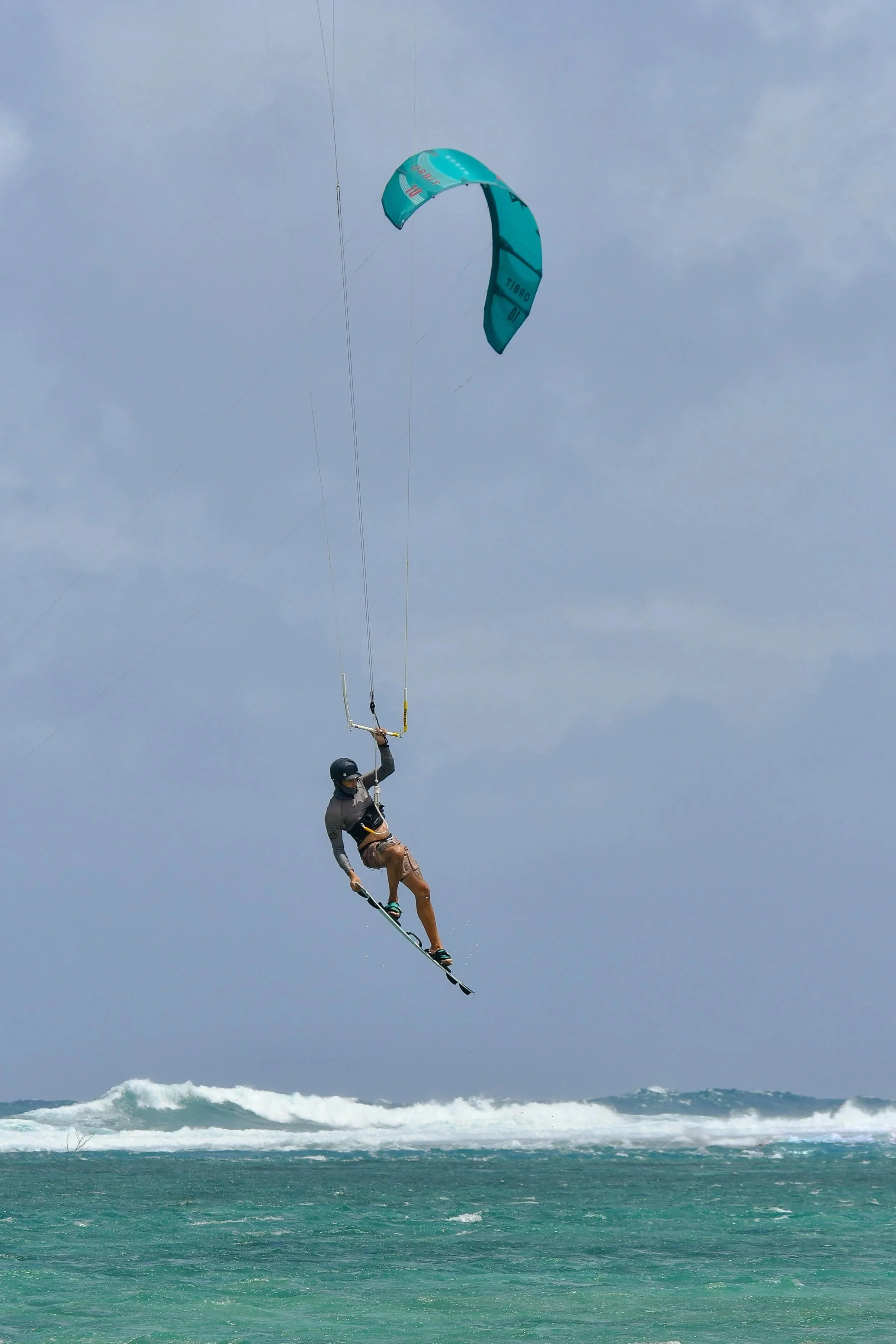
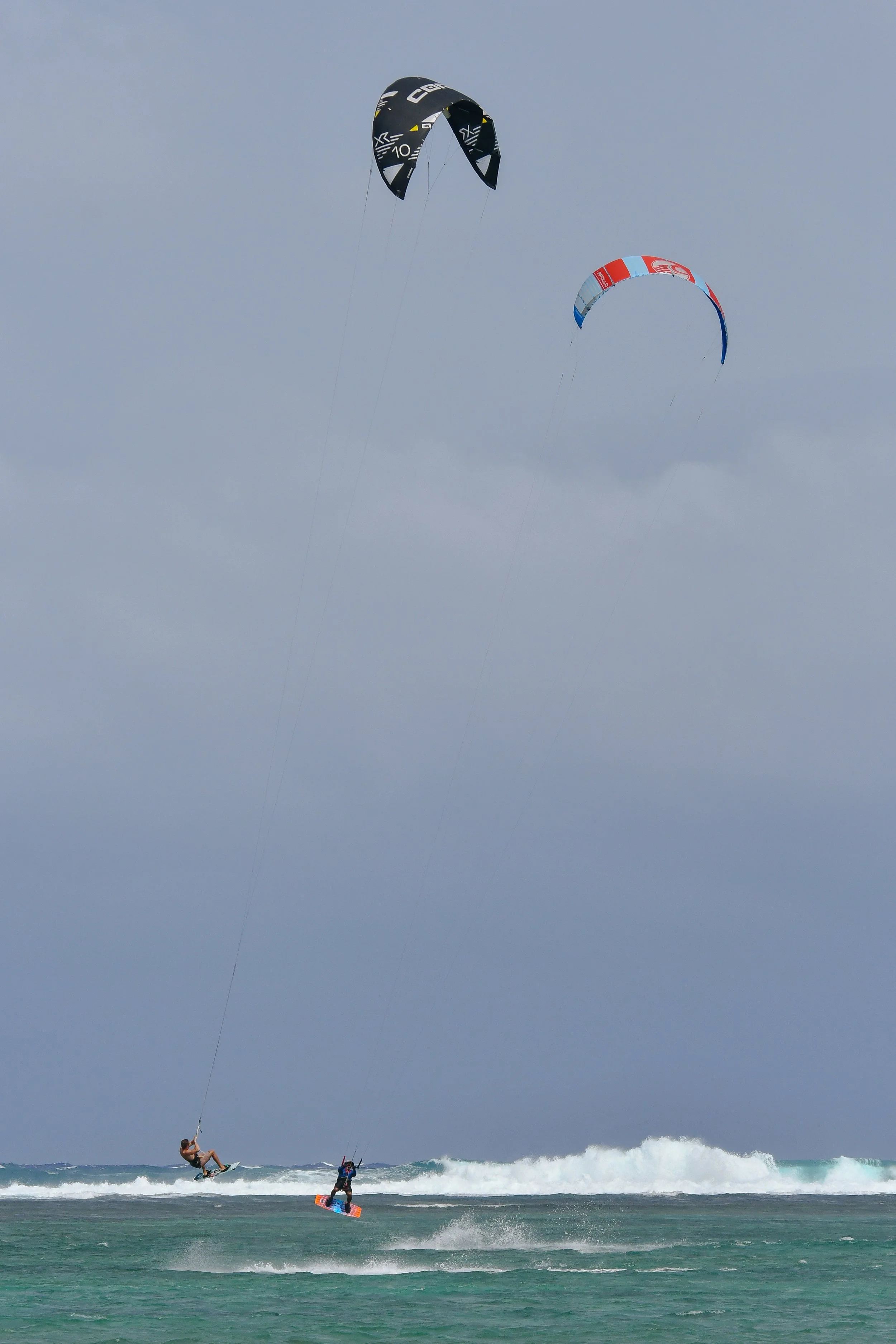
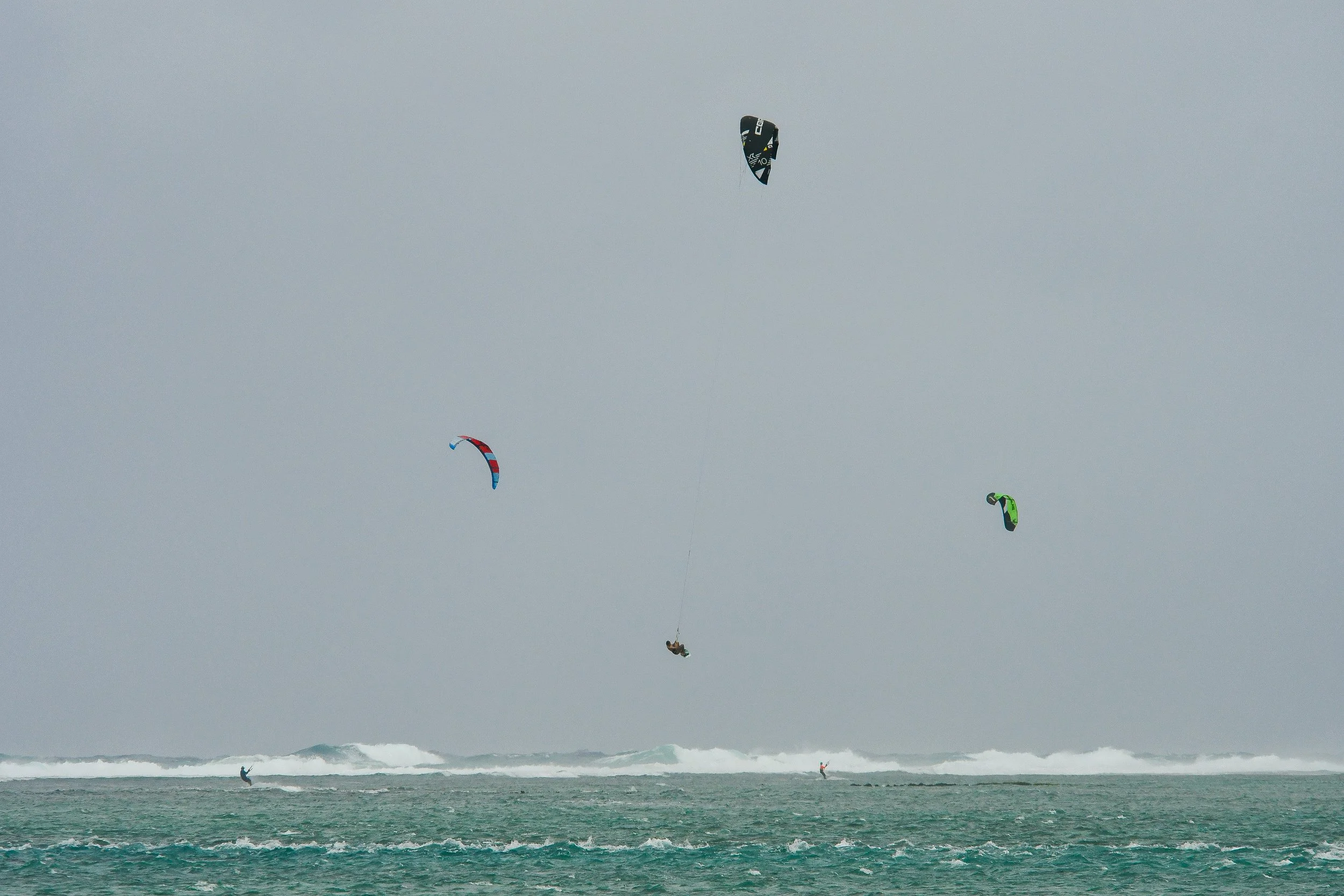
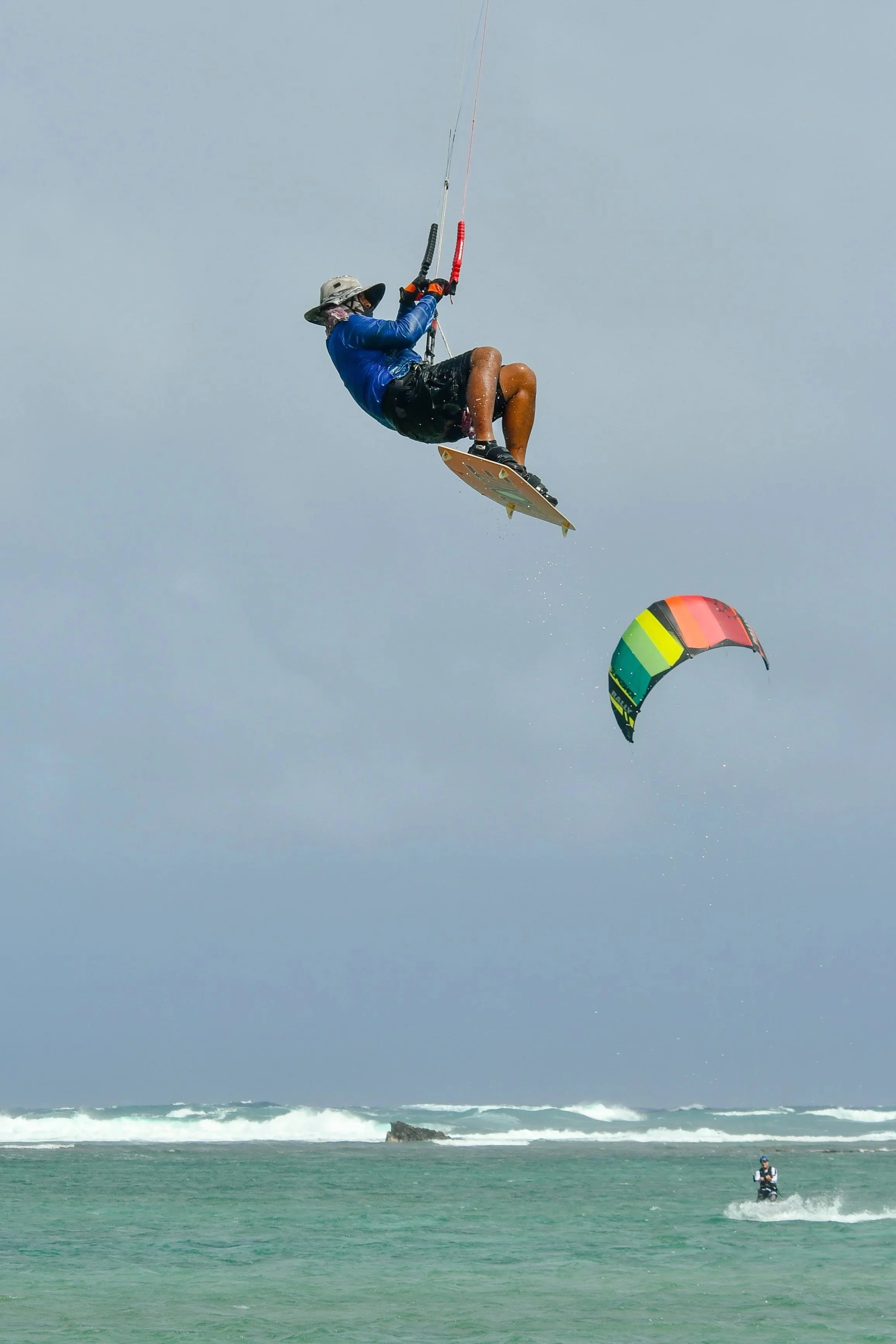
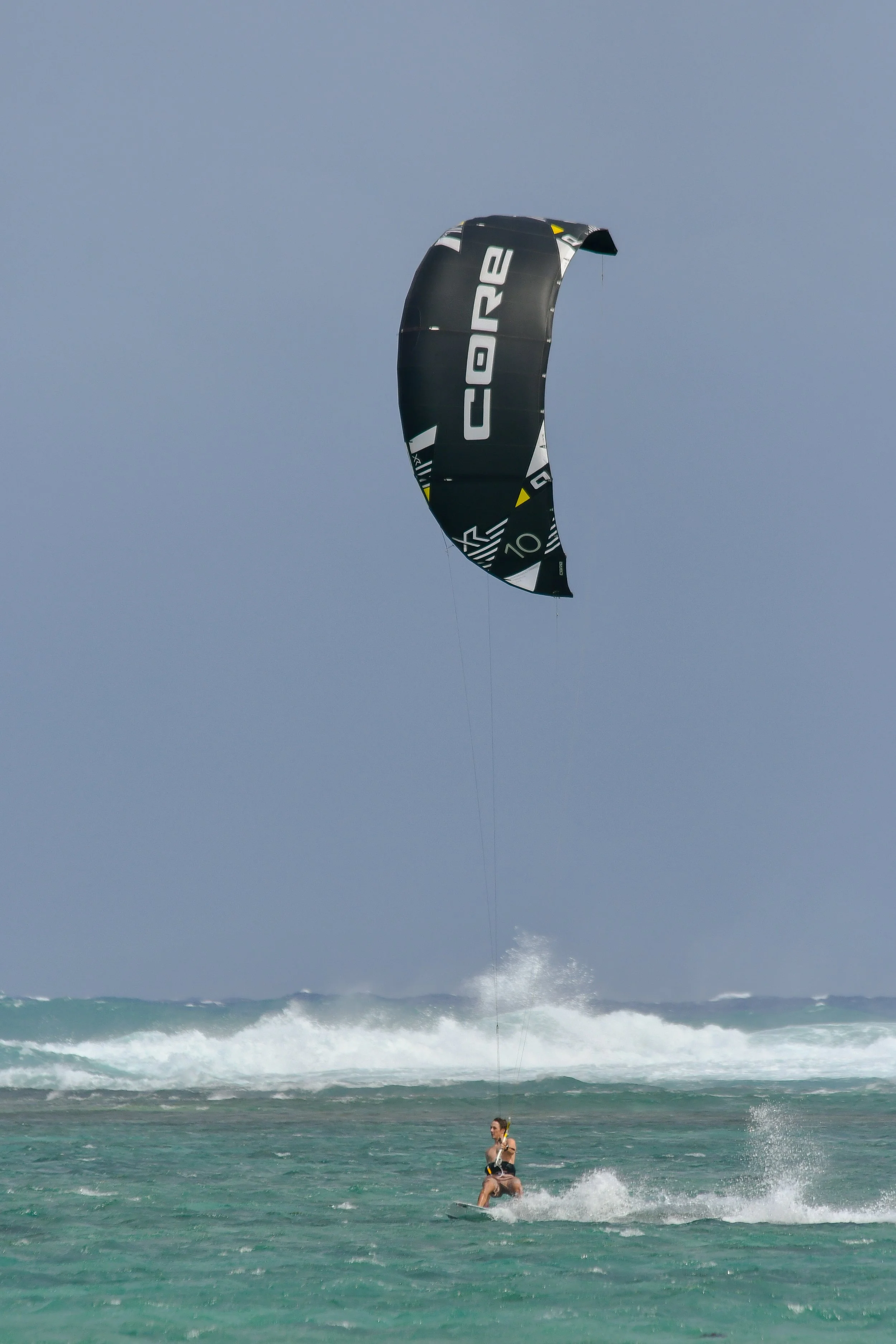
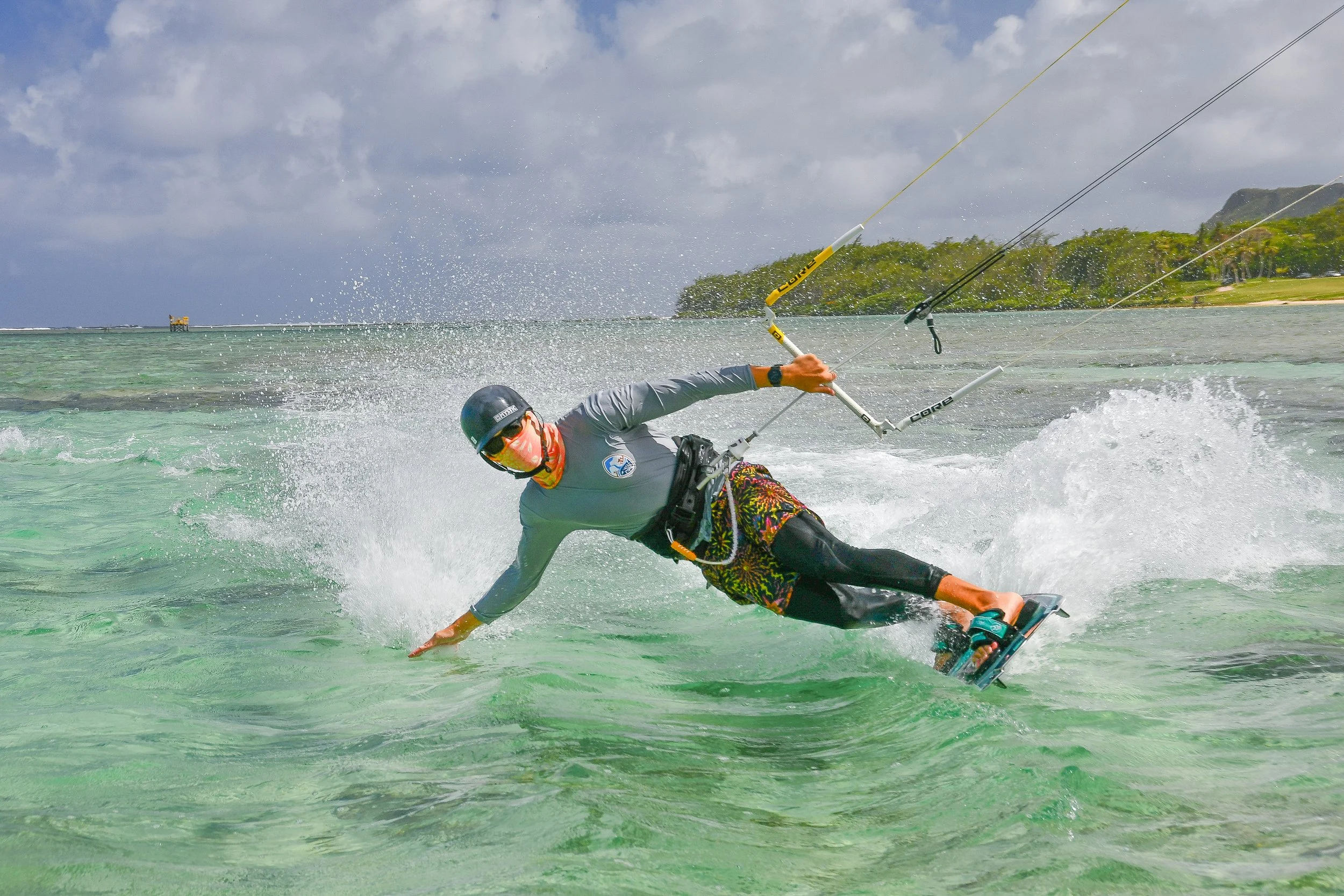
A lot of my friends were into kiteboarding, so I would head out and photograph them doing their stunts. There is a beach on the southeast side that everyone goes to, so it is common to get a bunch of boarders there at the same time, which I loved because then I was able to get some great shots of multiple people doing cool tricks and such.
Stand Up Paddle
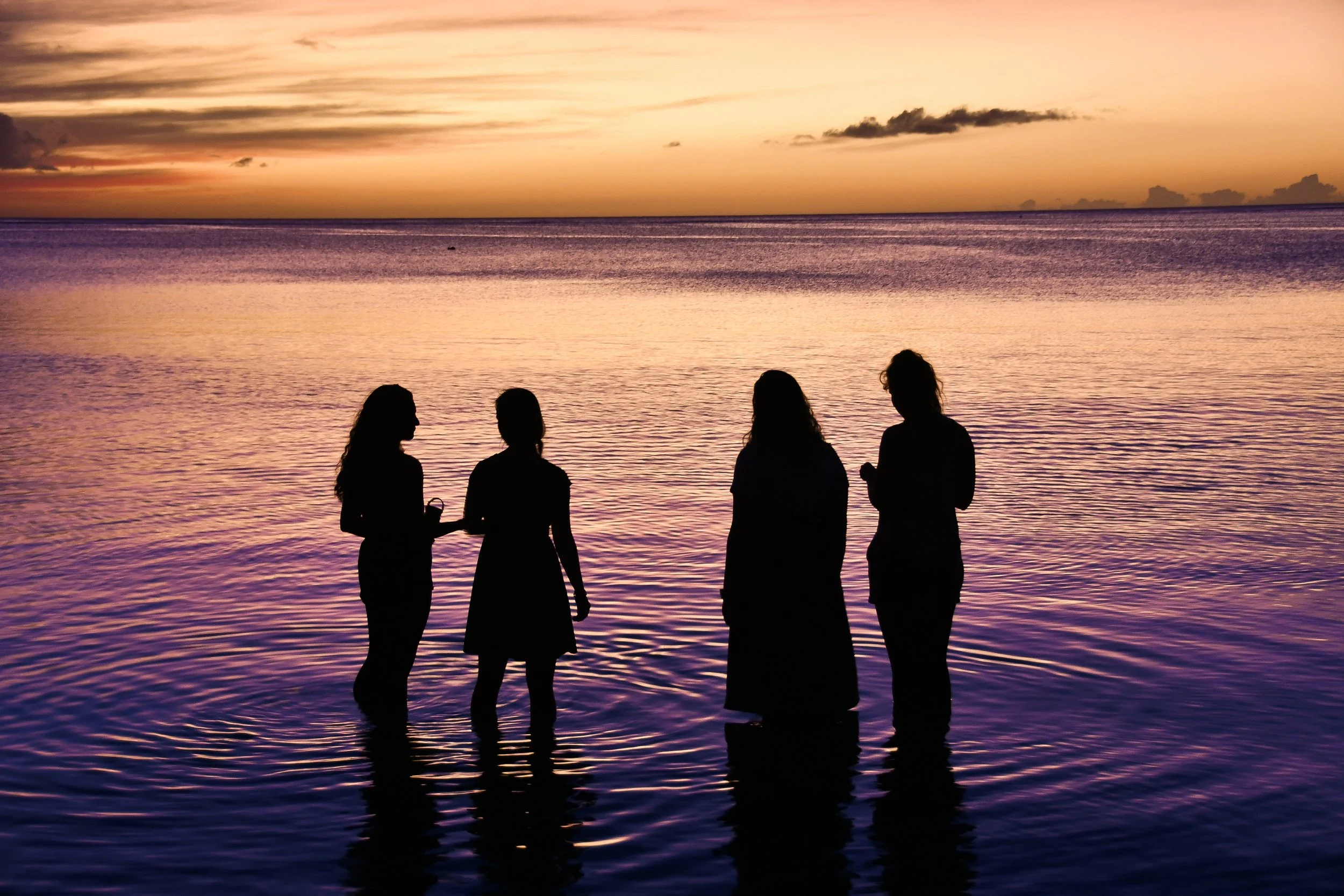
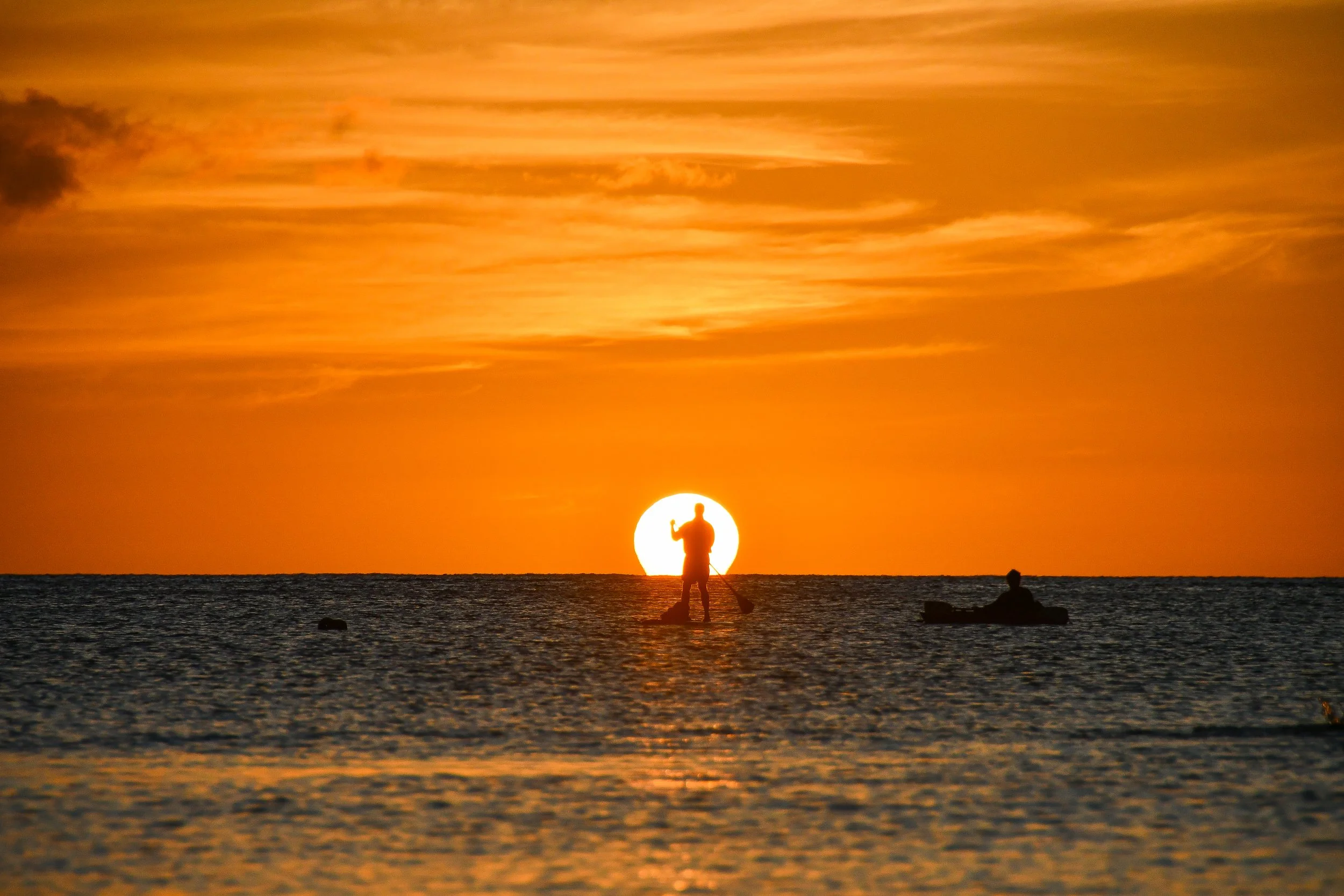
On the calmer side of the island, you can paddleboard all over the place, and many people do this as a sunset activity. If the conditions are right, you can paddle out and see the mantas, as they become active when the sun is setting. I had a lot of friends who would paddle out to the reef break, tie up their boards, and then go snorkeling to see the mantas.
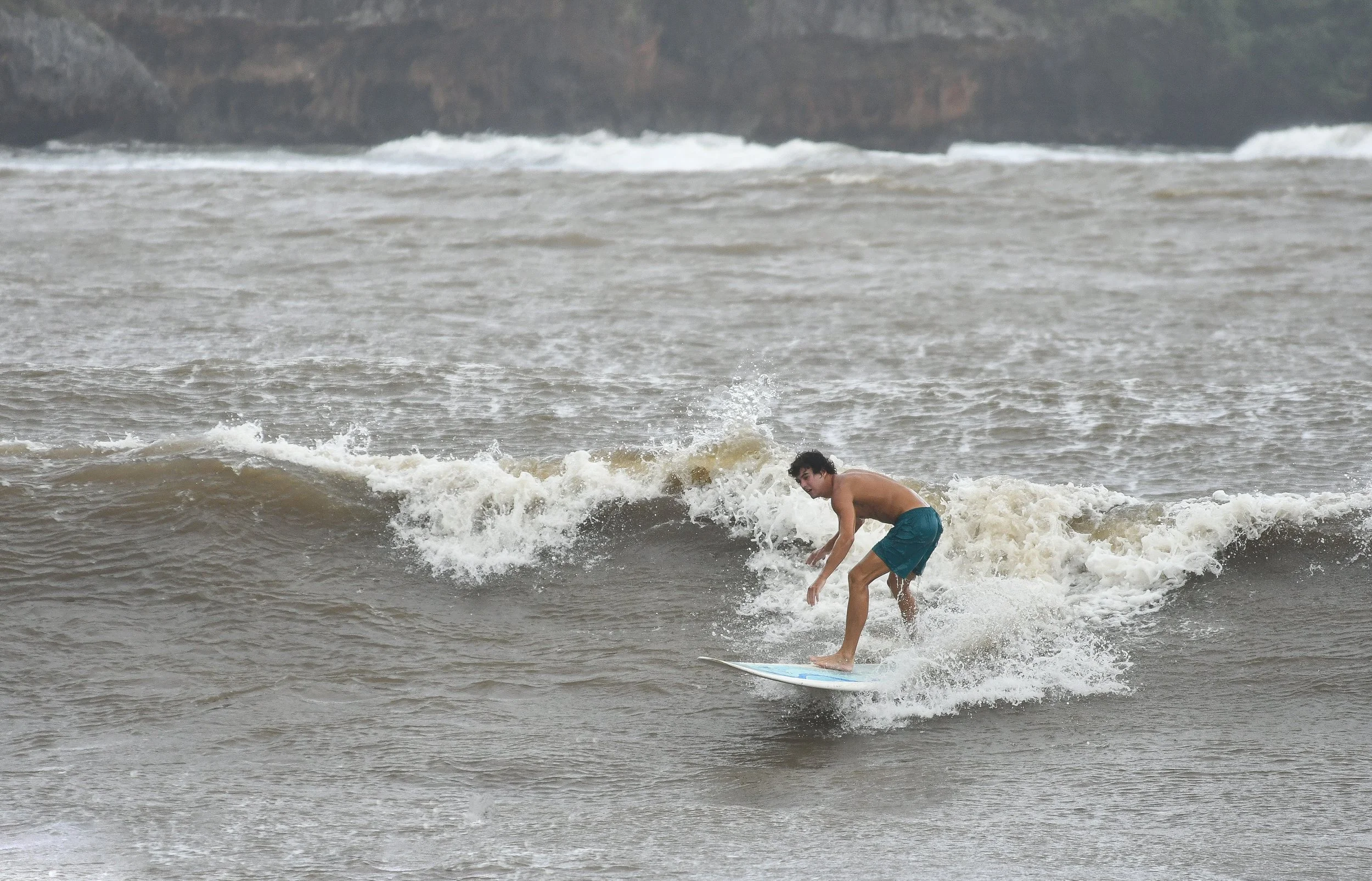
Surf
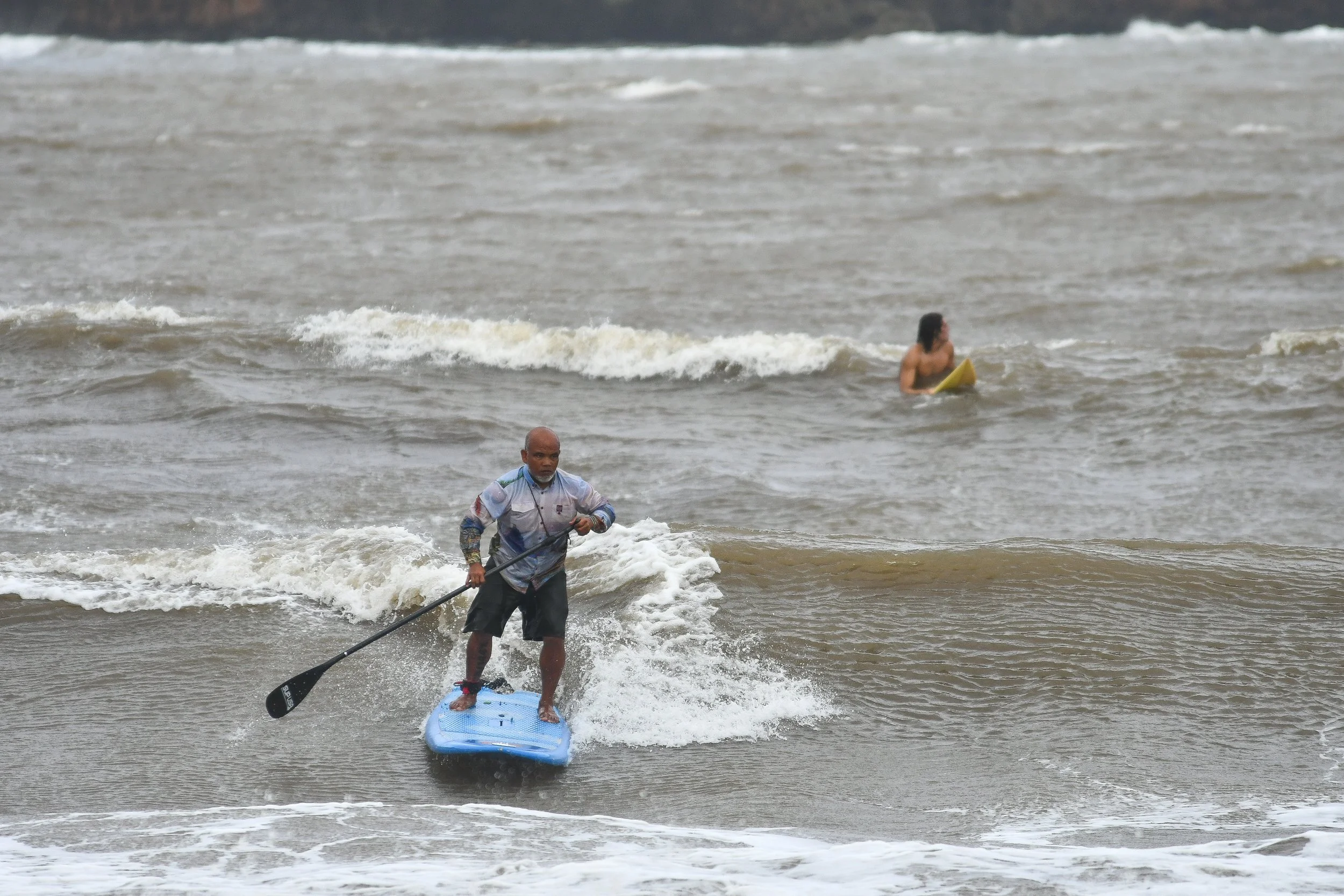
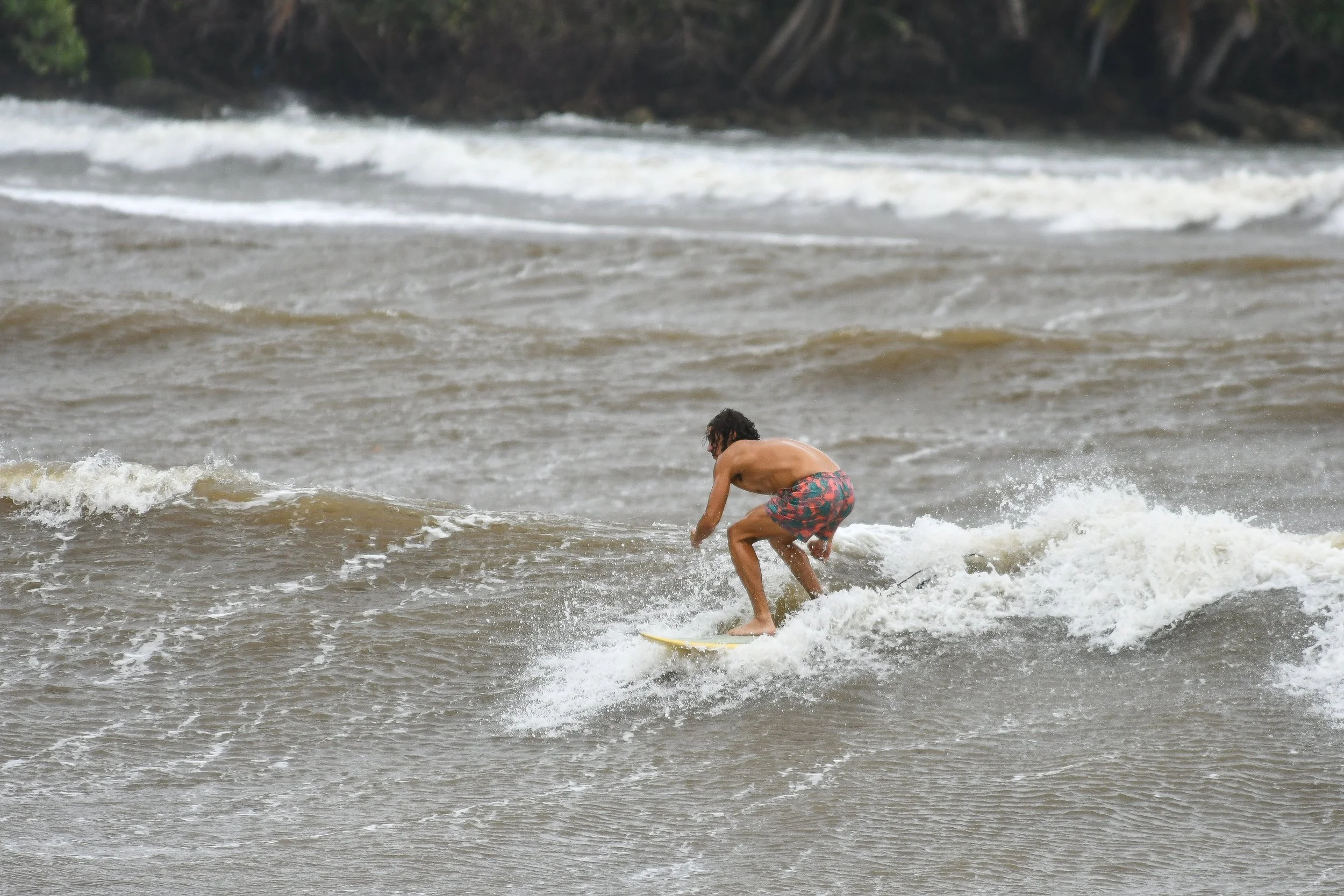
there was only one real good surf beach on the island and the two months i was there was during the off season. although a couple times there were some smaller swell with weather coming fro mthe east and Talofofo Beach was nice for learning.
Snorkeling
Gun Beach
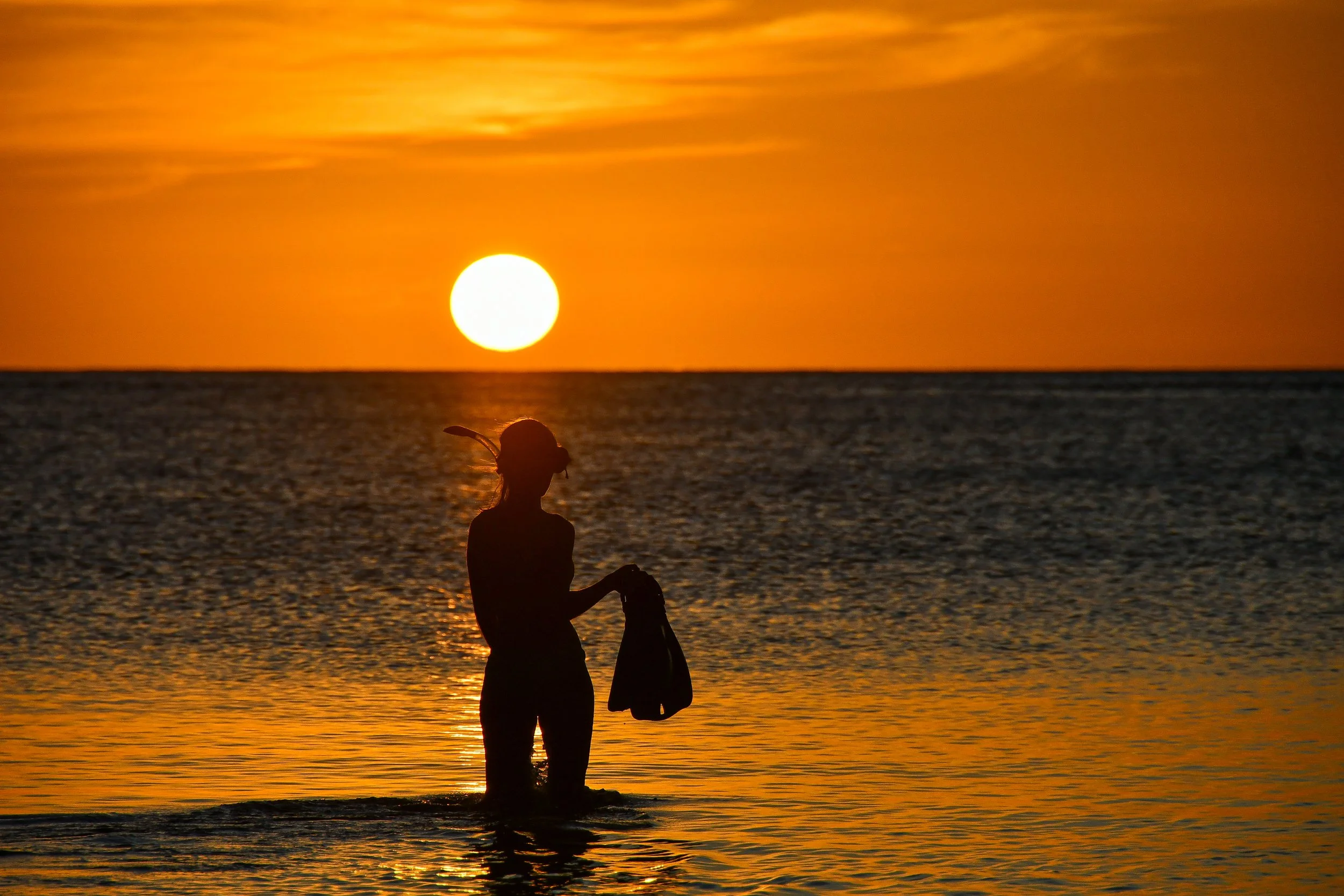
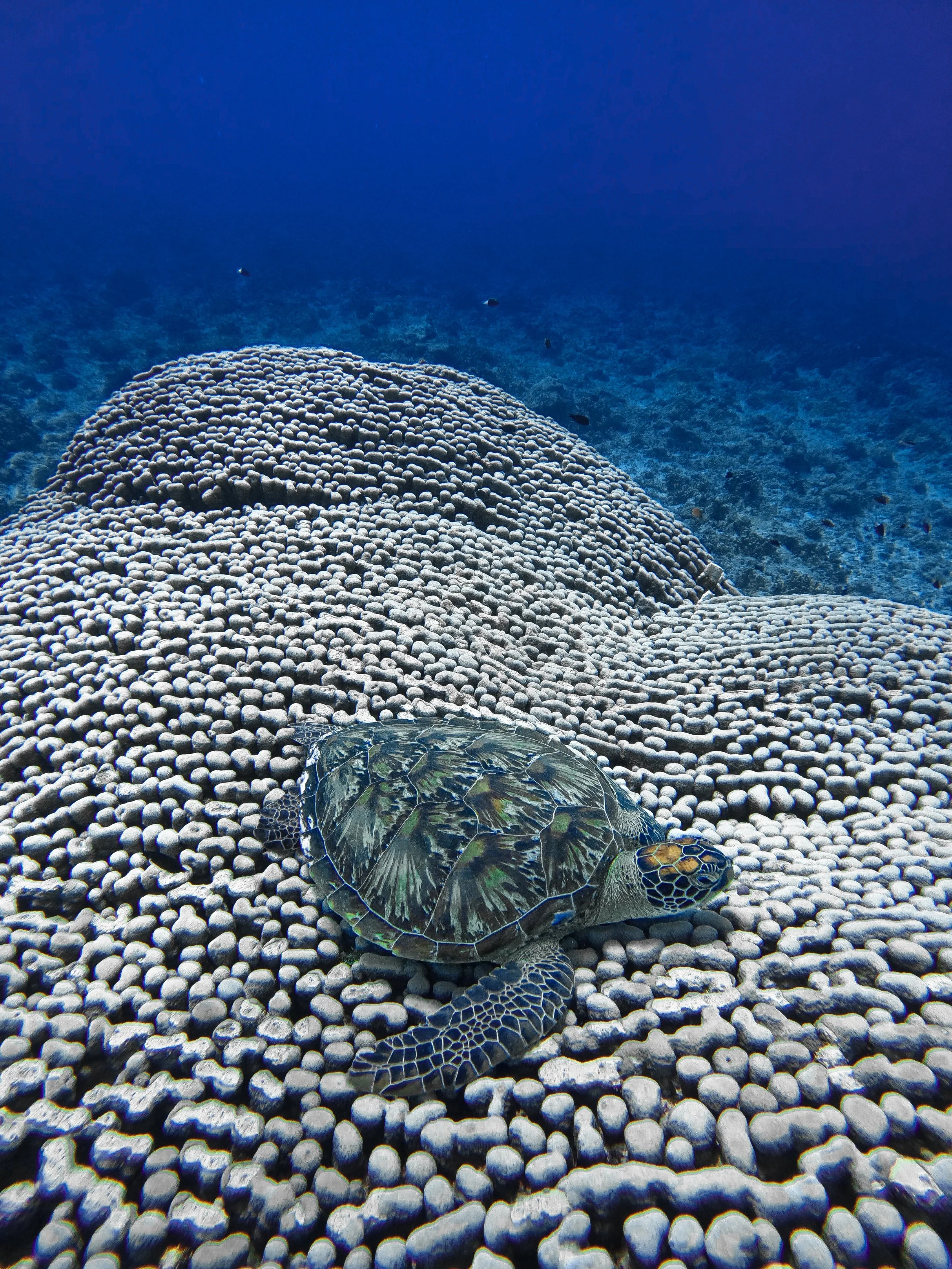
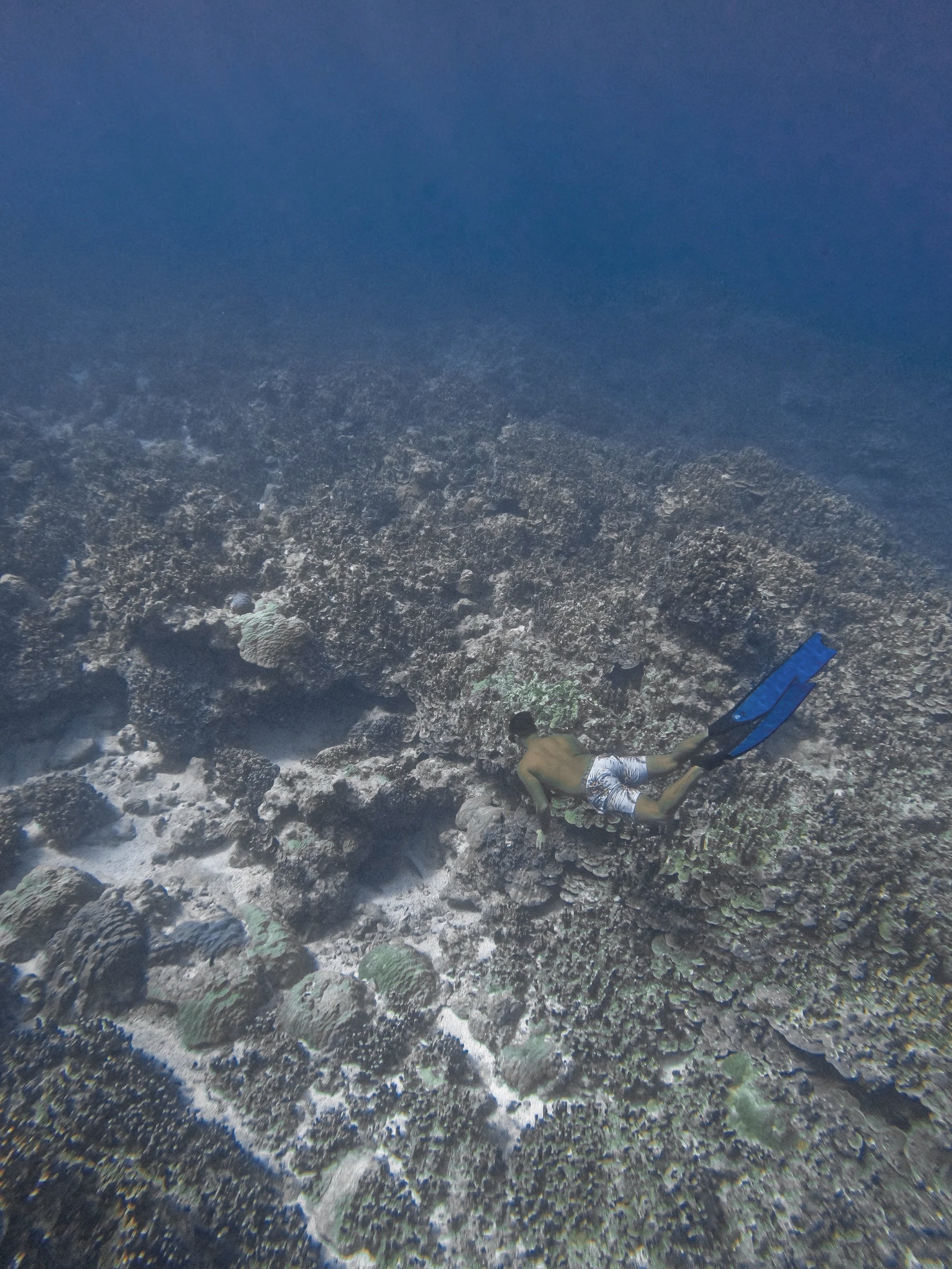
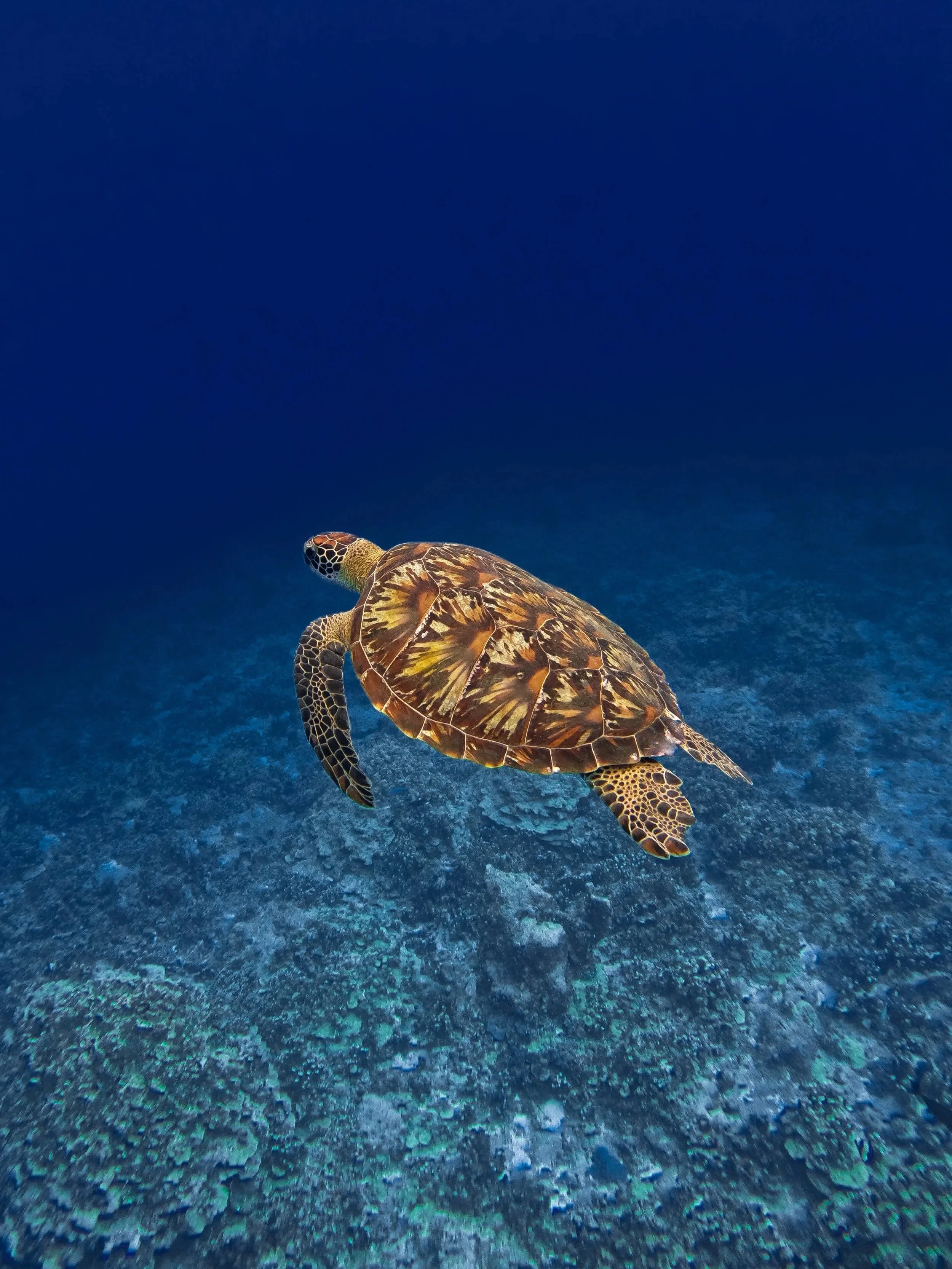
There are many snorkeling areas around the island, but my personal favorite was Gun Beach, as it was in a protected area and was conveniently close to where I was living. Being protected, I had some nice encounters with sea turtles here, while elsewhere around the island, if a sea turtle sees you, it is like a cartoon; only bubbles left behind because the animal darts away so fast. Sea turtles here are still poached, so they are extremely cautious around humans.
Fish Eye Underwater Observatory
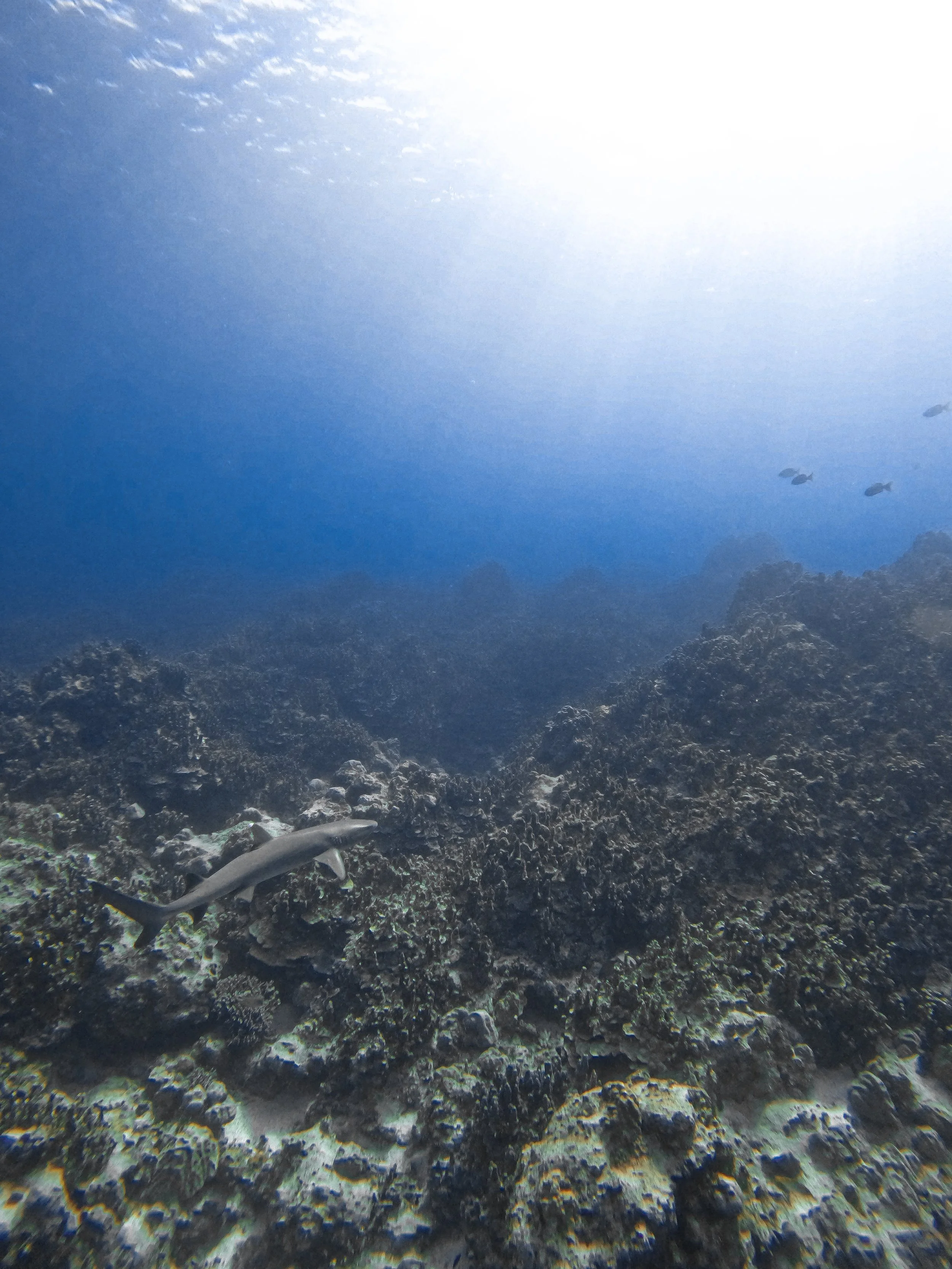
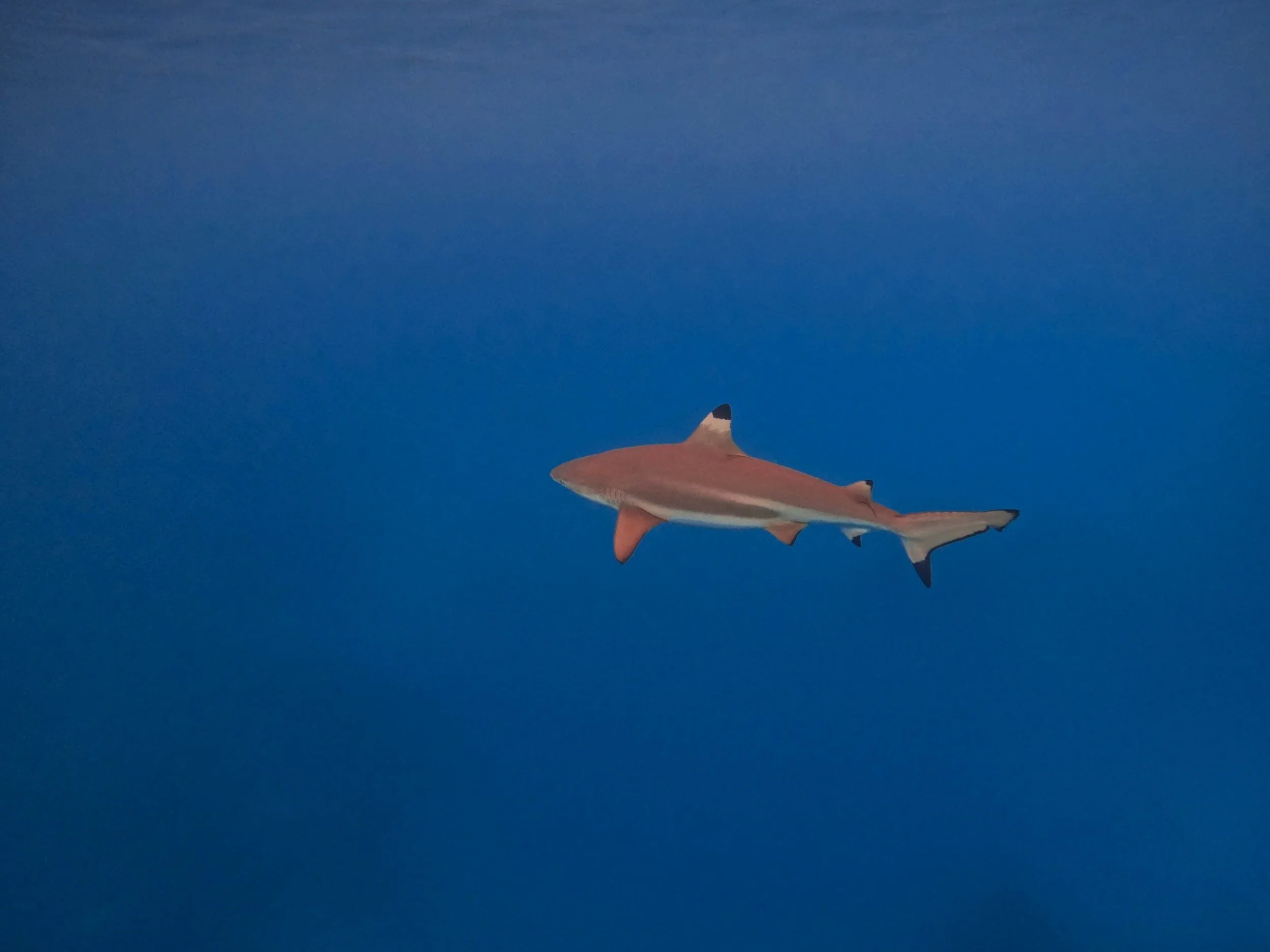
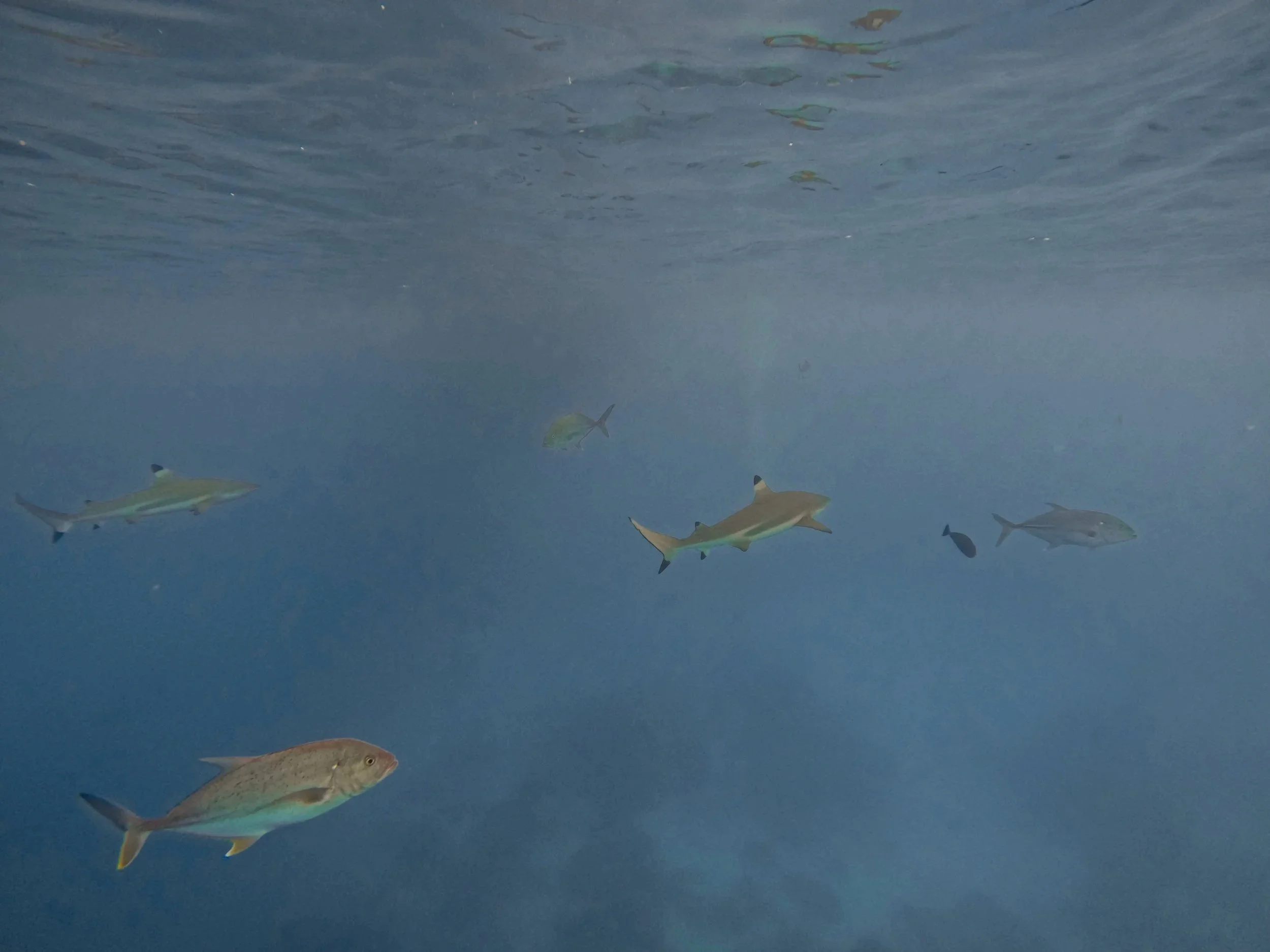
This place is good to see black-tip sharks. There is also nice coral here as well. It is a bit of a trek to get into water to a place where you can start swimming, so I recommend booties and fins.
Wildlife
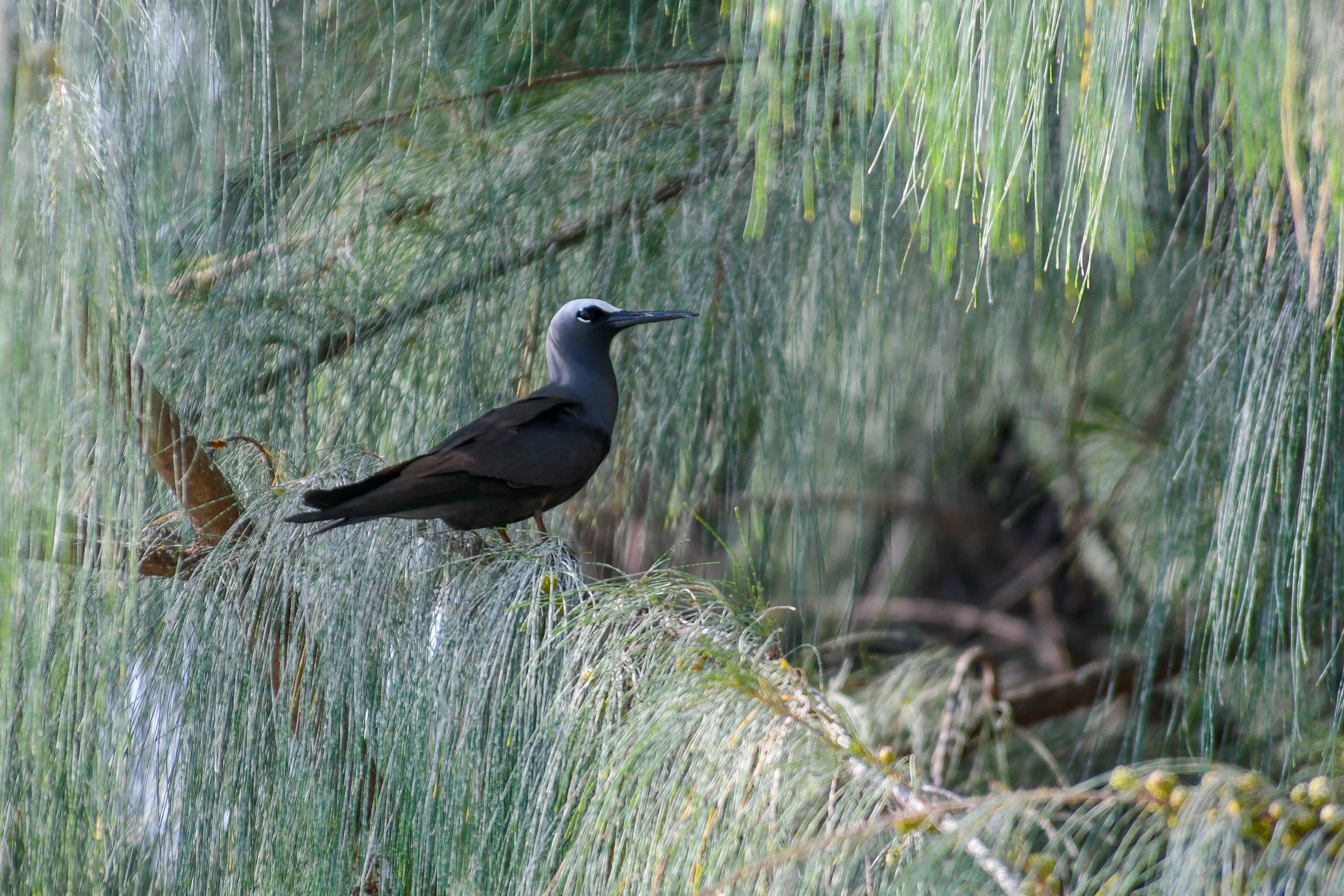
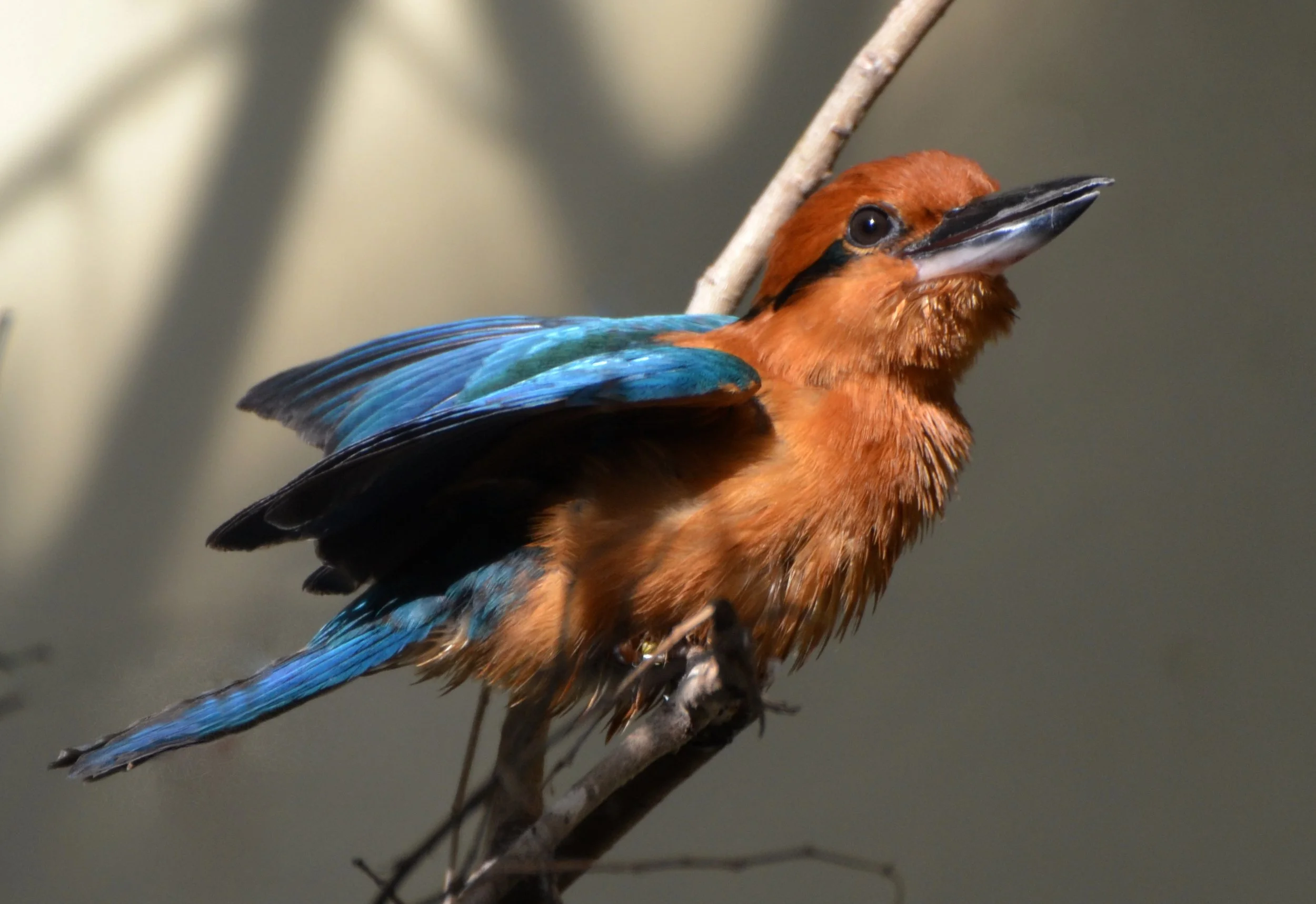
Guam has some unique wildlife; it is mainly marine, but on the island, there are some special animals that thrive, such as the Mariana Monitor Lizard, Guam Kingfisher, and the Mariana Fruit Bat, a large native flying fox. There are pockets of bird life around the island. Colonies of Black Noddies were common in the south, and my favorite birds making a comeback are the White terns, or Fairy terns. They are all white and called ghosts due to their ethereal appearance. They are an odd bird, which does not build nests but lays its eggs directly on a bare tree branch.
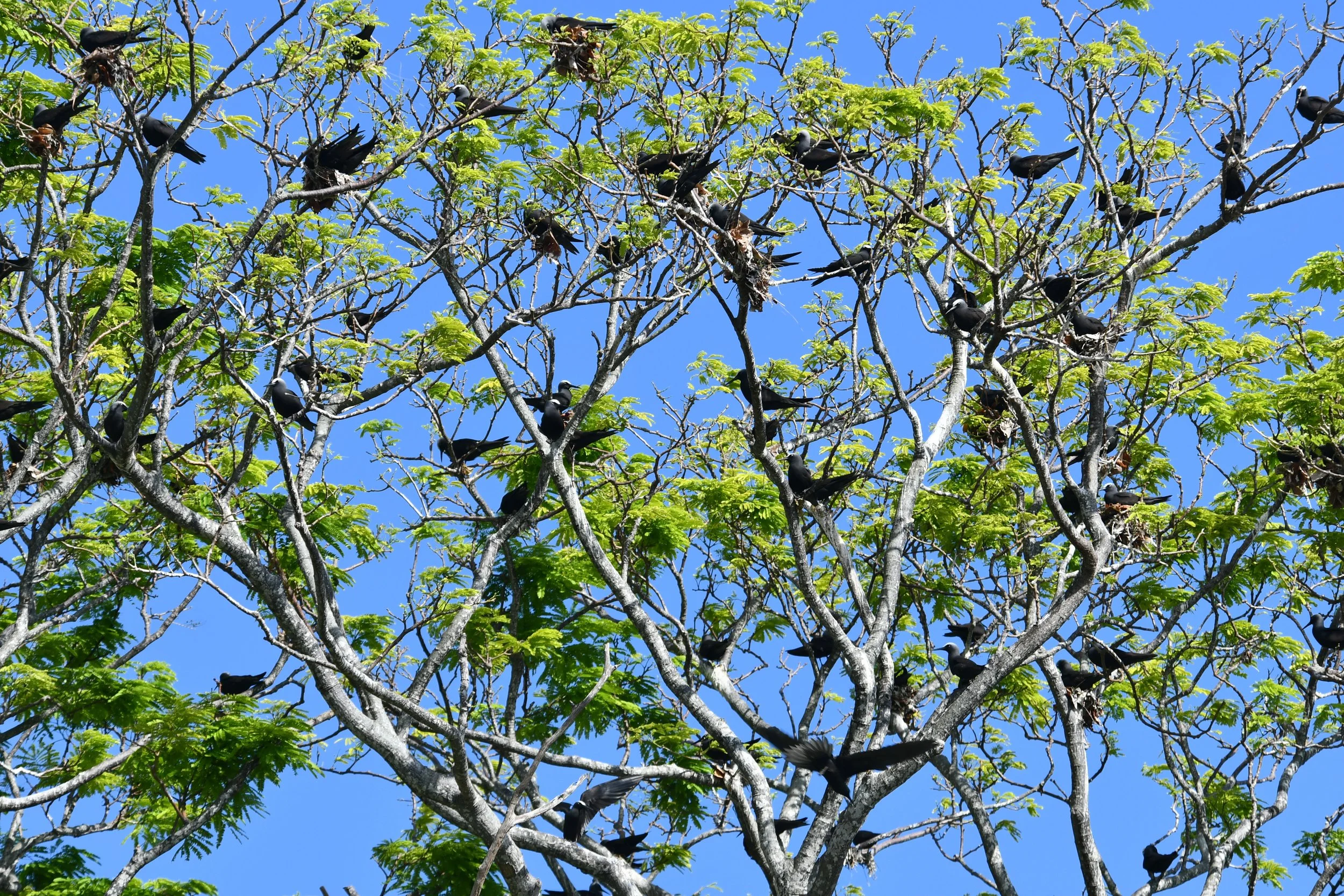
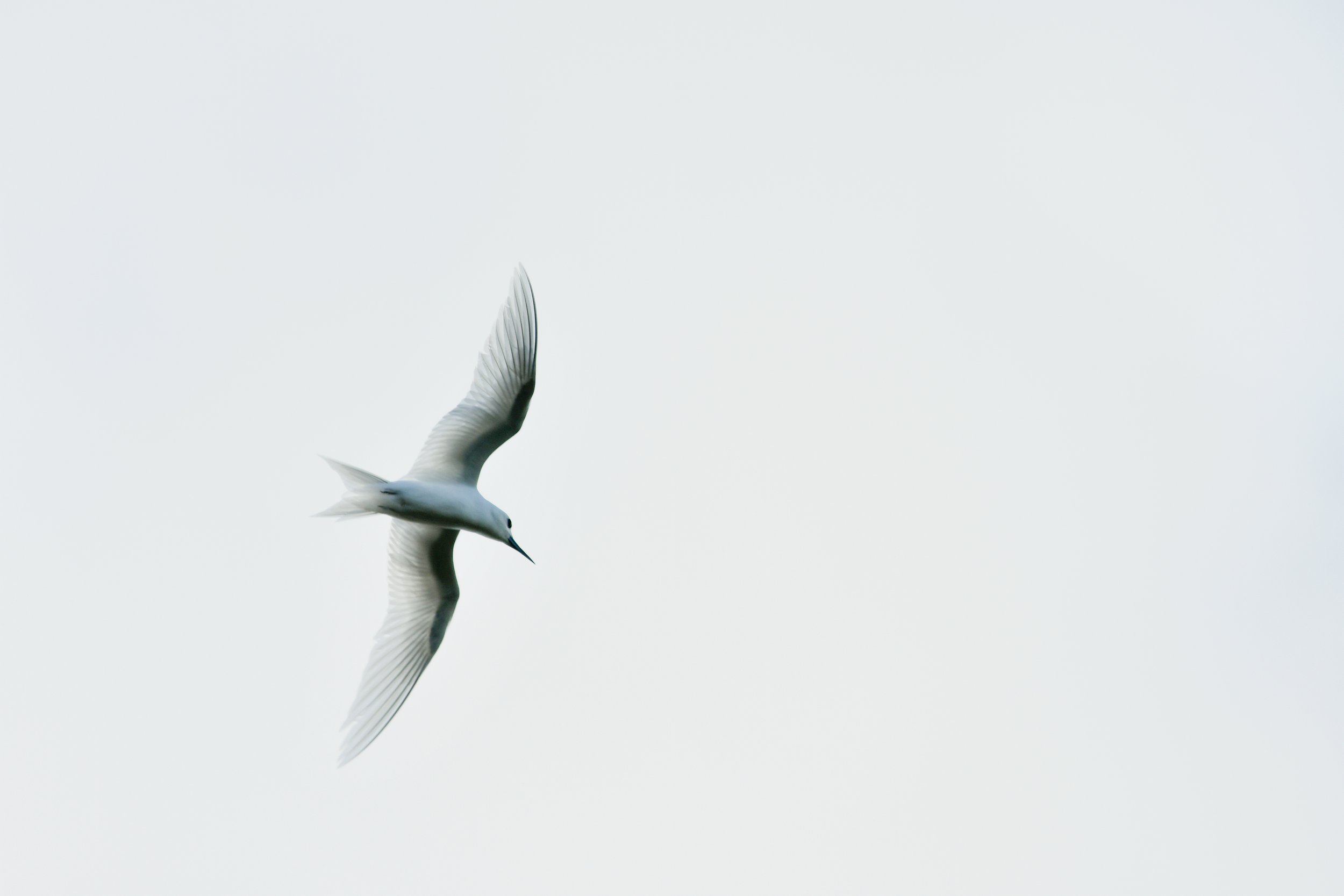
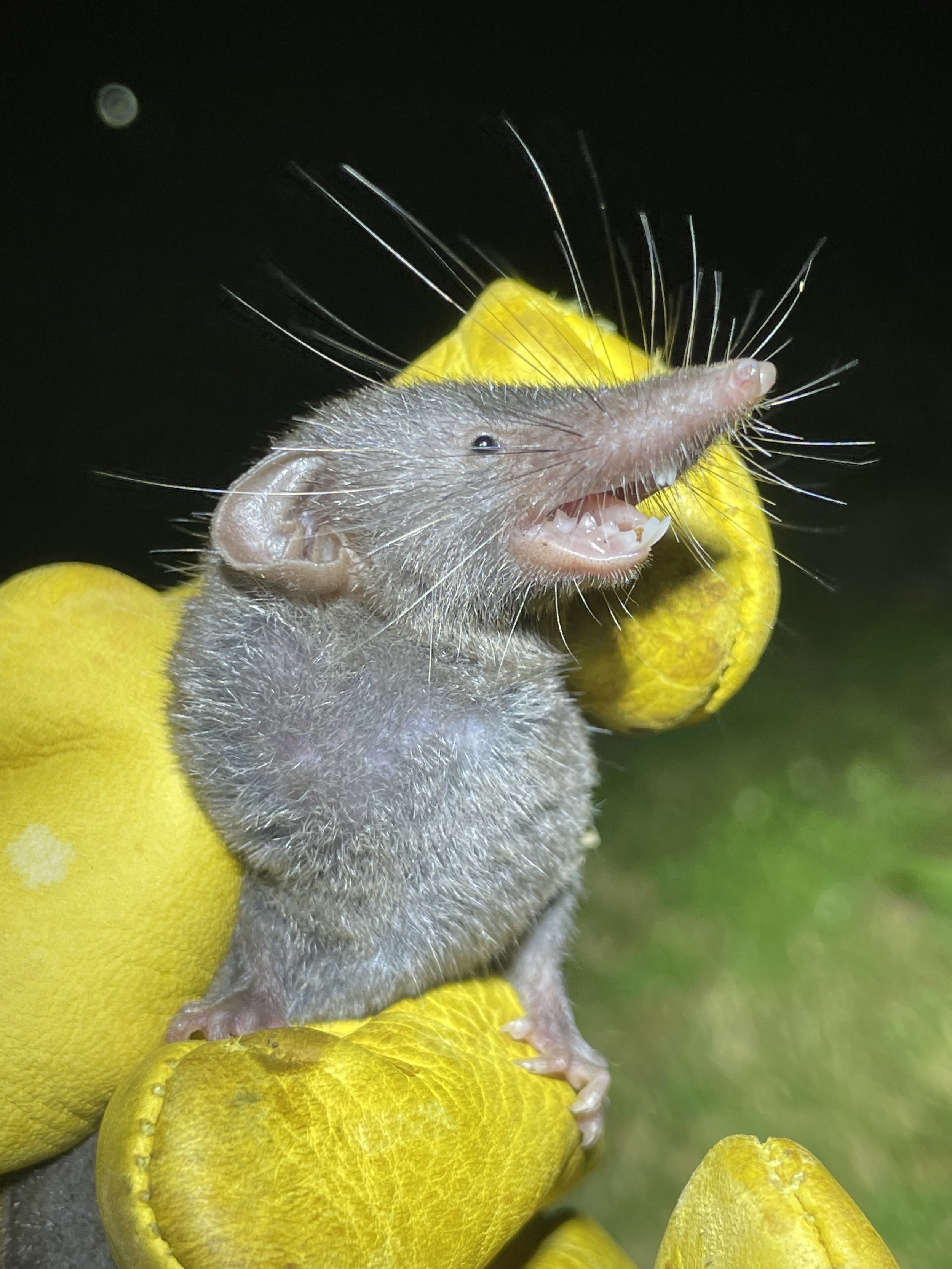
Invasive Shrew
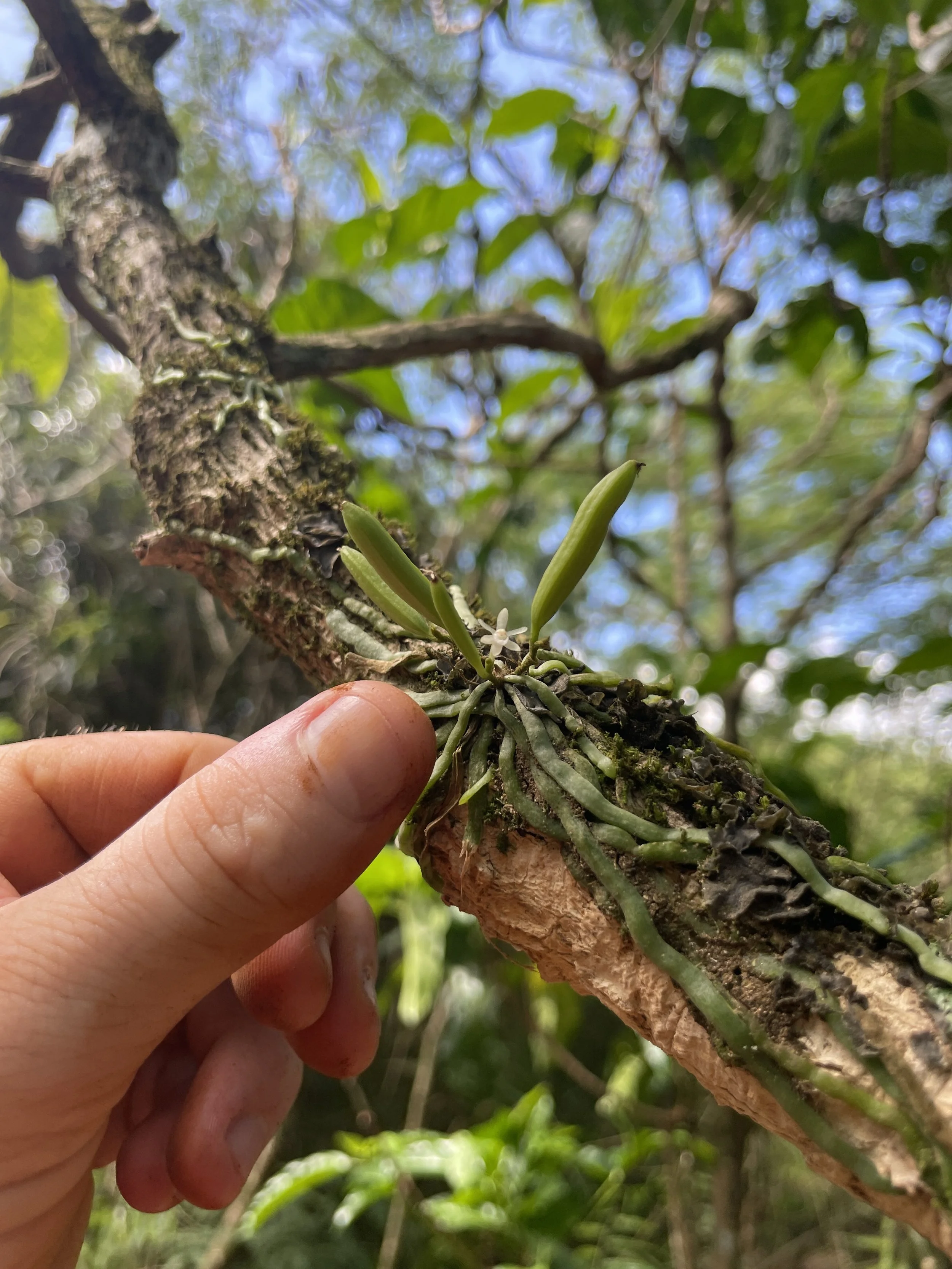
Tiny Orchid
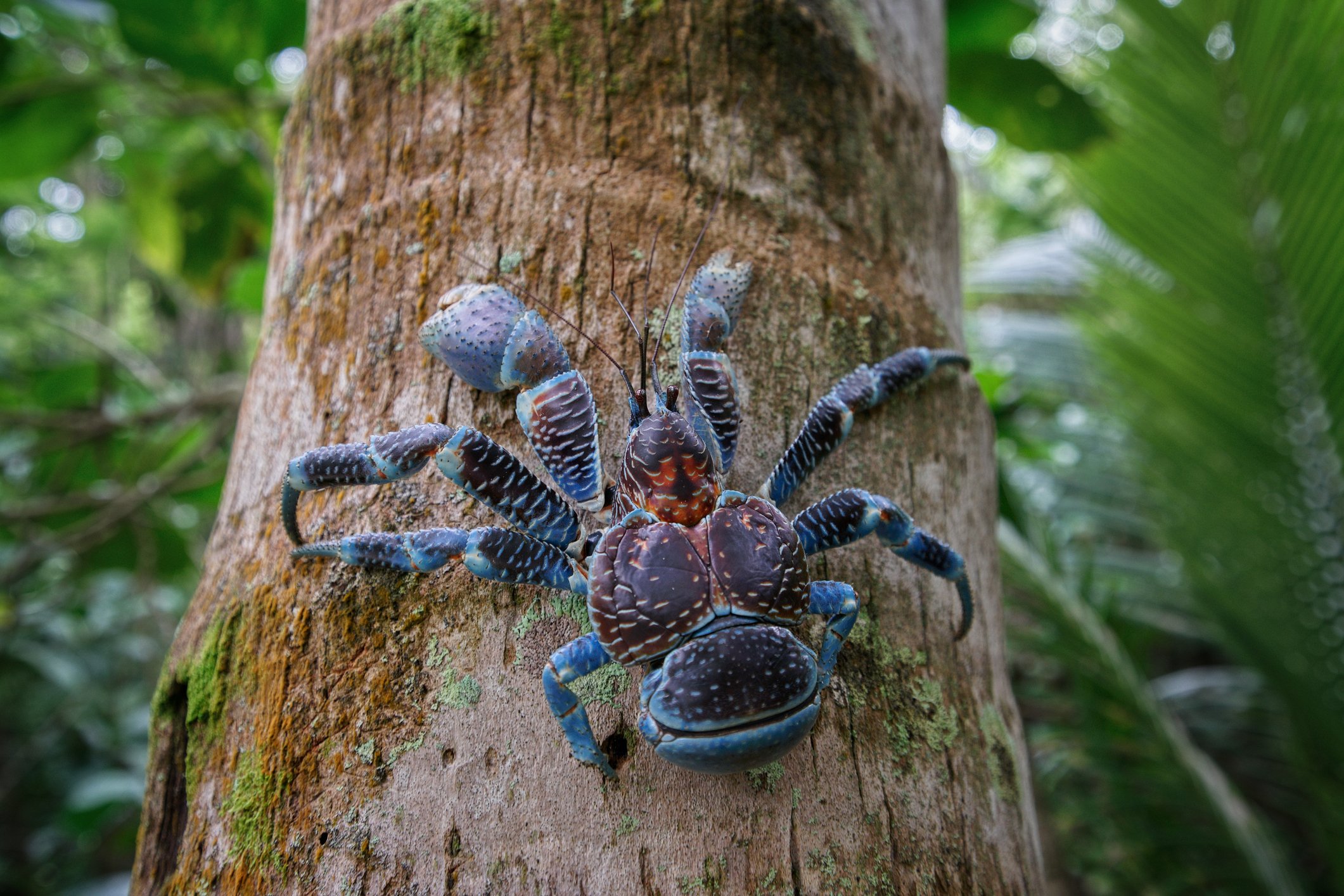
If you are out and about at night, let’s say walking back from the bars, and you hear a scuffling sound or something rattling around in a trash can, it might sound like a raccoon, but since there are none here, you will bump into the largest terrestrial arthropod in the world: the coconut crab. These massive crabs can get up to a meter across and weigh around 5kg. It is a good thing they are not aggressive, as they are terrifying to meet in a dark alley!
The Science Behind Controlling Guam’s Snakes
There are quite a lot of endemic animals in Guam, but many birds and lizards are now extinct due to pressure from snakes, such as the Guam Rail, a flightless bird brought back from extinction through captive breeding, which currently exists only on Cocos Island. Invasive species are a serious problem worldwide. An invasive species is an animal introduced by humans to a place where it is not native, and it has a negative impact on the native flora and fauna. Some of the most notorious invasive species in the USA are feral hogs, horses, and Burmese pythons. There are Lionfish across the Atlantic Ocean. Cane toads, foxes, and rabbits are a scourge in Australia. But the worst of them all, in my opinion, is feral cats worldwide. One of the most visible ecological issues and the easiest to fund is invasive species removal, which is what I was doing in Guam.
Our job on Guam was to go out at night to catch brown tree snakes, then dissect their stomachs to determine their sex, age, and what they were eating. We had various locations around the island that we would survey, which took around 4-8 hours, depending on the conditions and the zone we were in. When we found a snake inside the air force base, we would capture it and then tag it for a mark-recapture project. This allowed us to determine the population of an area. If a snake were too high in a tree, we would use this pole to knock it out of the tree and catch it. Samuel L. Jackson's character from Snakes on a Plane would be proud! We would also conduct skink surveys using glue traps within our fenced perimeter. The fence is designed to keep snakes from coming in and going out, so we have an isolated population that we can control and experiment with to see how fast they reproduce or how to eliminate them more effectively. You may have seen an article back in the day about the US military dropping mice with Tylenol all over the forest. That was in Guam because Tylenol is poisonous to snakes; it is another research method used to control that population. There are other teams in Guam that target other animals, but ours was focused on reptiles and rats. Rats are also a major problem on the islands, as they prey on bird eggs. The United States Geological Survey did amazing work establishing a proper protocol to reduce the spread of invasive species throughout the Pacific islands. No one wants to kill animals, but it is our fault they are there, and it must be done. I will always advocate for this work because it helps save the native wildlife.